Agree Which Pictures Belong in a Shared Camera Handover
Agree which pictures belong in a shared camera handover, distinguishing selected images, private photographs and device arrangements before passing anything along.
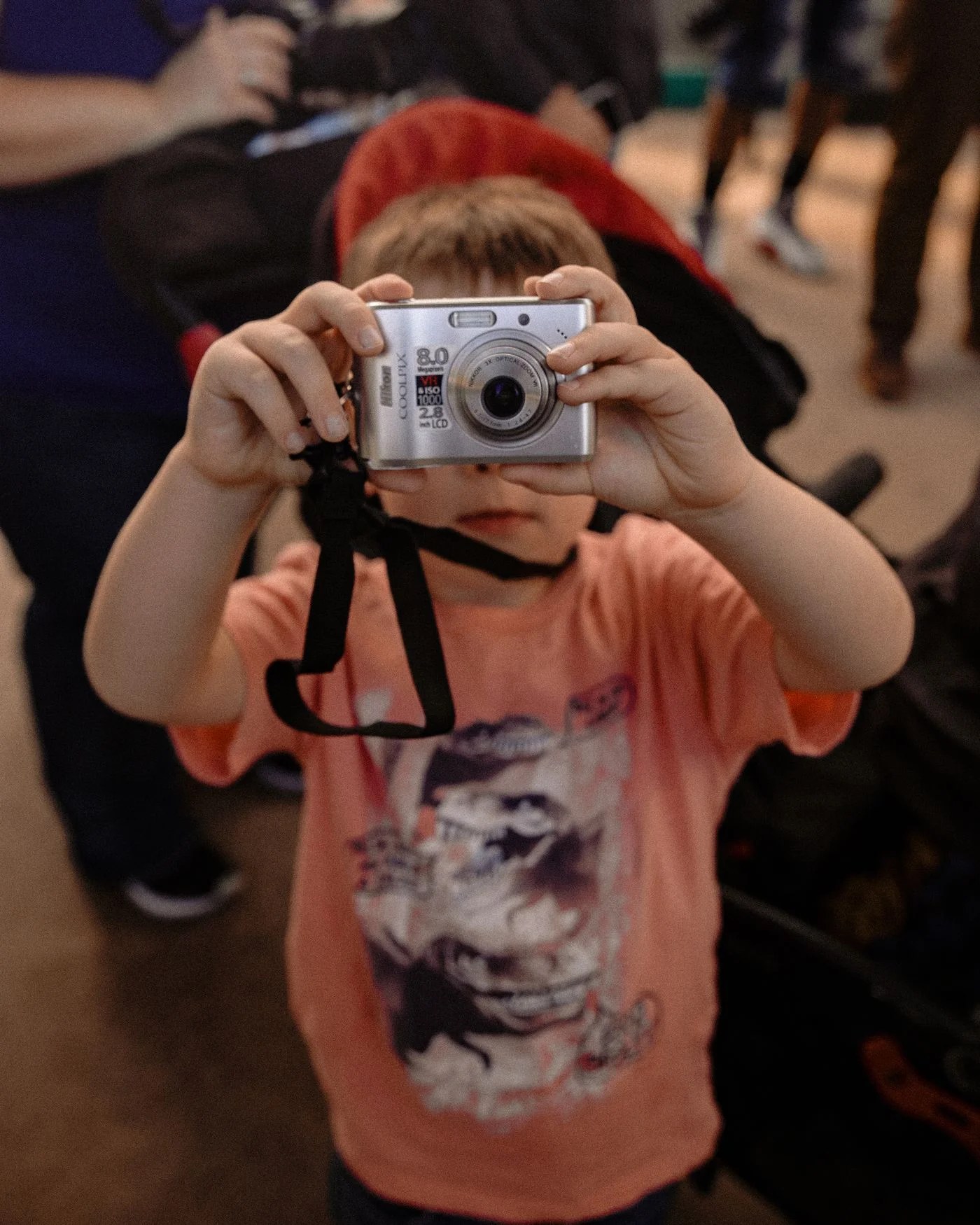
Wendy Wei / Pexels
A shared camera can hold photographs intended for several different people. Passing the device or its contents to someone else may reveal more than the pictures from the latest outing. Before a handover, agree what is actually being shared and who should receive it. Keep the image selection separate from ownership of the device so that one practical action does not silently answer both questions.
Name the purpose of the handover
Ask whether the person needs selected pictures, a temporary loan of the camera or both. Those arrangements involve different information. A recipient who wants a few photographs may not need access to the whole device. Choose an appropriate supported sharing method for the actual equipment and circumstances, following its instructions.
Where a child used the camera, involve them appropriately in identifying their pictures while the responsible adult manages any necessary privacy and device decisions. Do not publish or forward images simply because the child enjoyed taking them. Consider the people pictured and the audience for the proposed sharing separately.
Review the actual selection
Identify the relevant photographs rather than assuming every file from a date belongs to the same event or audience. Look for personal information visible in the image as well as in its surrounding details. Respect any agreements about photographs of other people, private spaces or possessions.
The room-reference photography guide offers a useful question: what is this picture for, and who needs to see it? Apply the same distinction to a shared camera. A photograph useful for a household decision need not become part of a general collection sent to everyone who attended an outing.
Keep the device arrangement explicit
If the camera itself is being lent, agree its expected return, accessories and permitted use. Check the actual device instructions and relevant settings through supported controls. Do not promise that a transfer removes every copy or that a visible file list describes all information stored on the device.
Avoid deleting or changing another person's photographs without their agreement. Where privacy or secure removal matters, follow appropriate device-specific guidance and obtain the required authorisation. The borrowed-set inventory article can help record the physical pieces being handed over, while the picture-sharing decision remains a separate conversation.
Confirm receipt without expanding permission
Check that the intended recipient can open the agreed pictures using an appropriate method. A successful transfer does not establish permission to post them publicly or pass them to a different group. State any relevant sharing boundary clearly and respect the recipient's own preferences about appearing in photographs.
Keep a concise record of the practical agreement when needed, without collecting unnecessary personal details. If the selection changes, discuss the new images instead of treating the original conversation as unlimited approval. A useful handover gives the recipient what was agreed and keeps the rest of the camera's contents outside that transaction.