Make a Short Room Inventory Before Buying Decoration
Describe what stays and the actual missing role before shopping for another attractive object.

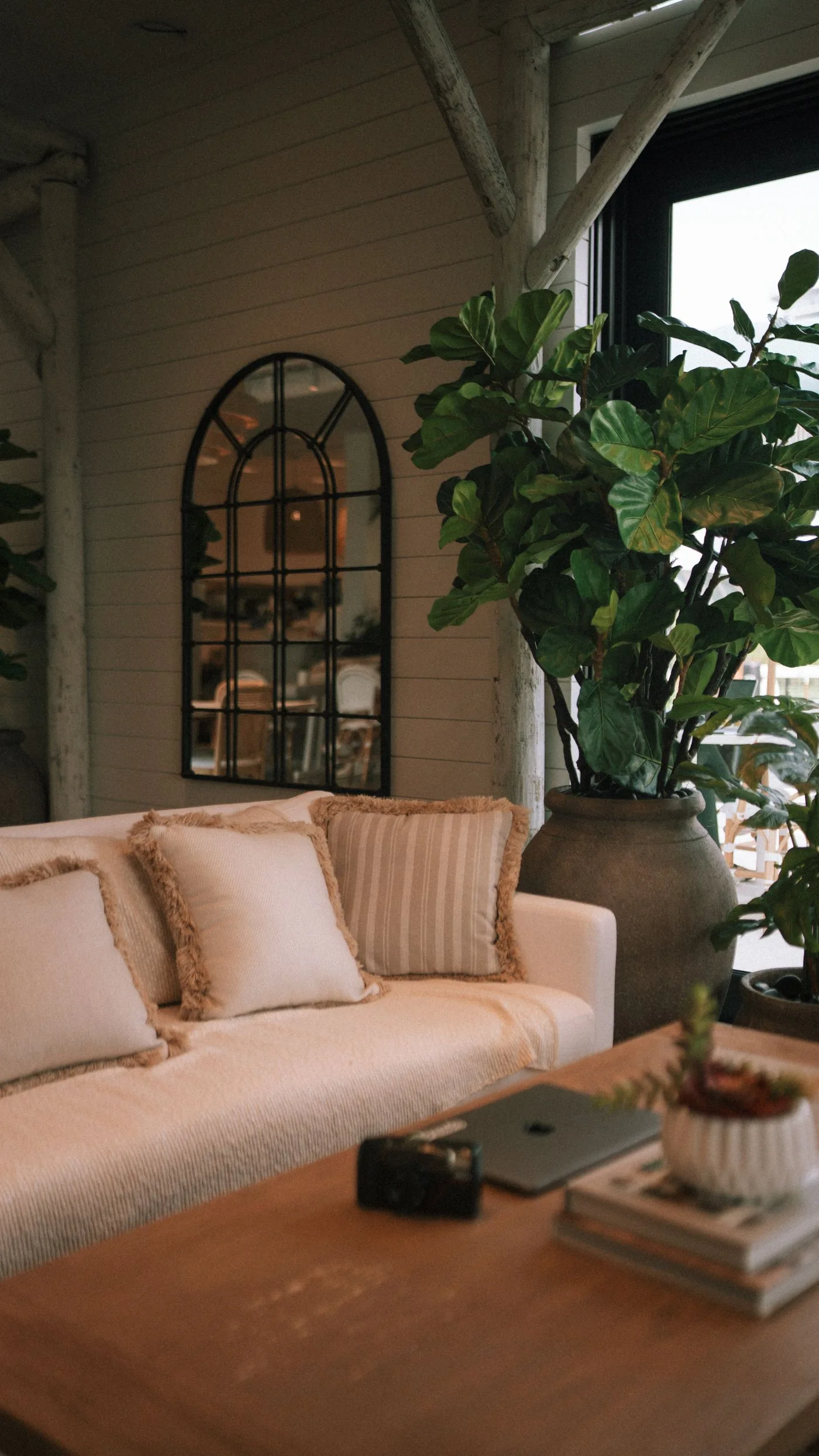
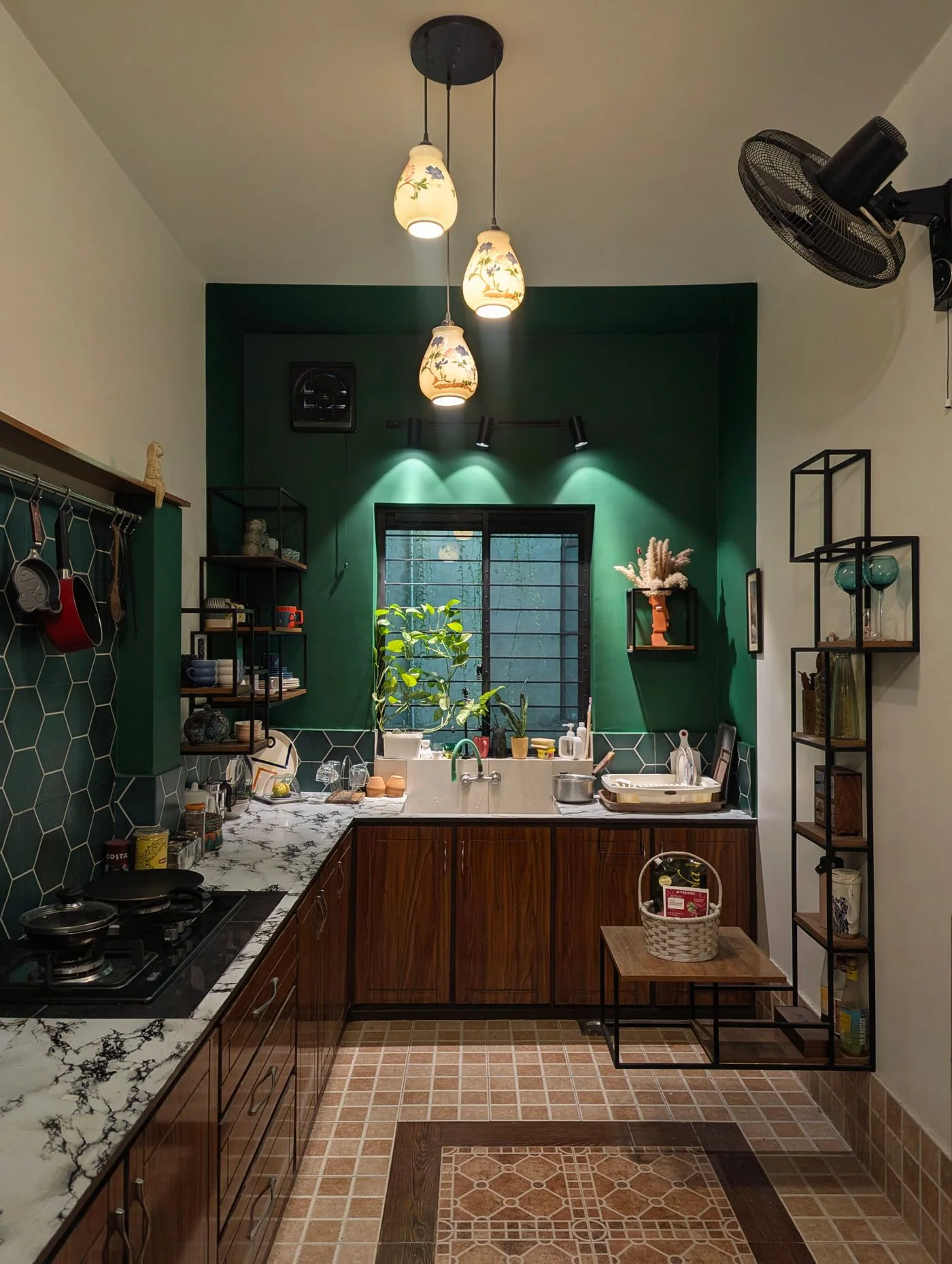
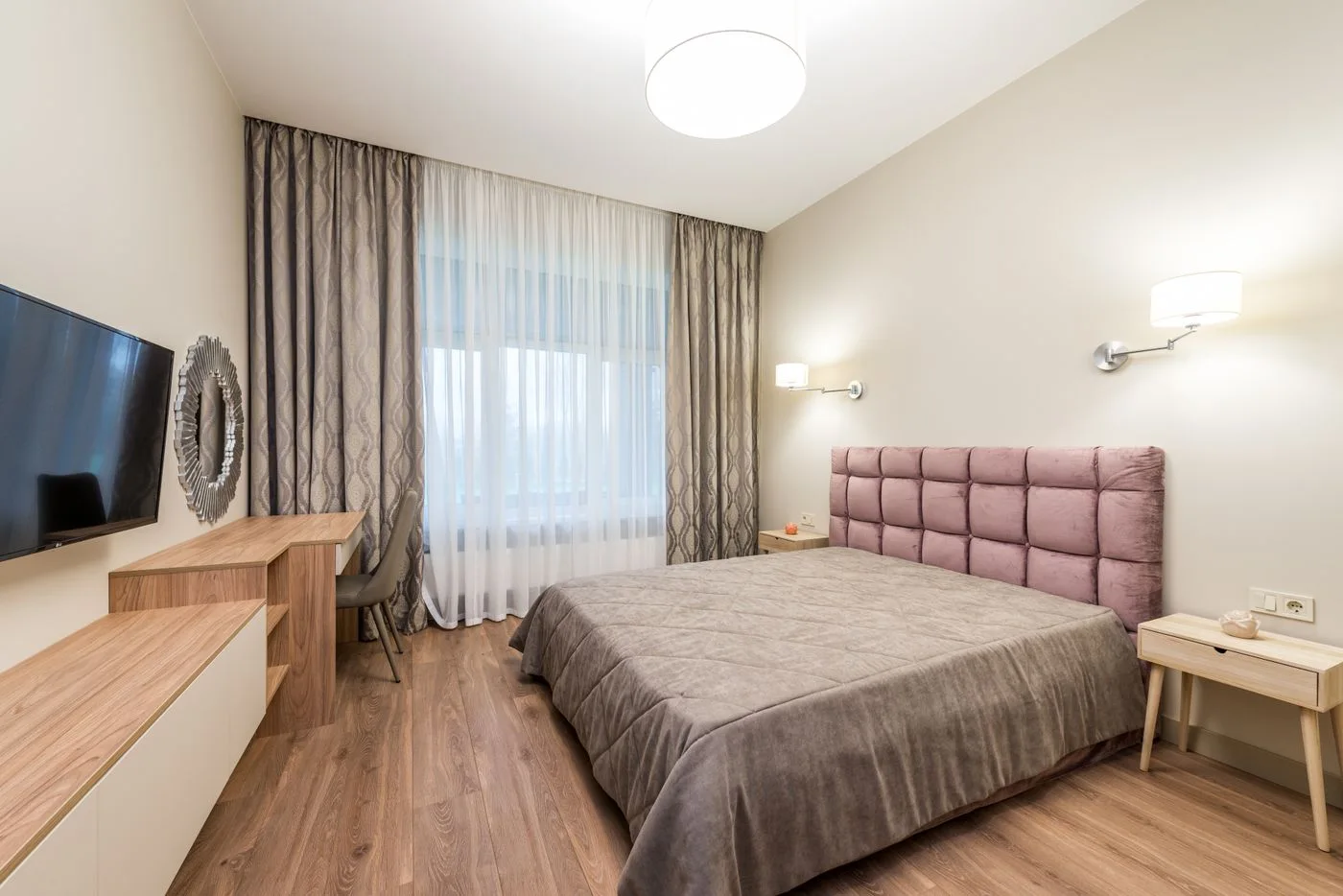
Licensed editorial lifestyle photography. Images illustrate the setting; pictured items are not product endorsements.
Choose one room and one question
Decorative shopping becomes less precise when every attractive object could belong somewhere. Choose one room and identify the actual question: a useful surface lacks light, a retained chair feels visually disconnected or a shelf needs a clearer arrangement.
Keep the inventory short enough to use while comparing options. It is not a record of every household possession. List the main retained pieces and the particular area being considered, with actual dimensions where they influence the decision.
Separate function from appearance
Describe whether the missing role is practical, visual or both. A lamp needs suitable product and installation checks; an artwork needs an appropriate display position. A new cushion cannot solve a missing reading light simply because it makes the corner look more complete.
Keep product requirements distinct from preferences. Record uncertain measurements or materials for checking rather than filling gaps with assumptions. A brief that says something pretty for the desk invites a different purchase from suitable storage for one current folder.
Look through retained pieces
Check whether an appropriate item elsewhere already serves the identified role. Consider the effect on its original position before moving it permanently. Borrowing a useful lamp from another room may reveal the need without actually resolving both rooms' requirements.
Our shelf guide supports reviewing a display before adding objects. The living-room guide helps distinguish a layout issue from an accessory gap. Some rooms need a clearer arrangement rather than another purchase.
Write the buying criteria plainly
Record dimensions, suitable material or care needs, intended position and the visual relationship wanted. Use actual product information to compare candidates. Keep prices, availability and retailer terms as current checks when shopping rather than permanent assumptions in the household note.
Avoid describing every preference as essential. Decide which requirements establish suitability and which are flexible. A clear short brief makes it easier to reject an attractive object that cannot perform the real job.
Leave room to buy nothing
If no option suits the brief, keep the gap clear while reviewing the question. An unsuitable purchase creates another storage and decision task. Waiting can be practical where the room already serves its essential functions.
Our accent chair guide offers a small comparison using retained materials. Record what was learned after a genuine purchase or rearrangement, and update the inventory rather than keeping an obsolete wish list. The note should support future decisions, not generate another ongoing decorating project.
Room inventory questions
Must the inventory include photographs? No. Useful dimensions and clear descriptions may be enough; photographs are optional references.
Can a purely decorative purchase be worthwhile? Yes, if its role is clear, suitable and wanted within the household's priorities.
What if the list keeps growing? Revisit the original room question and distinguish real gaps from unrelated attractive possibilities.