Compare a Bedroom Colour on a Movable Sample Board
Use suitable samples to inspect a colour beside retained materials before committing to a room.
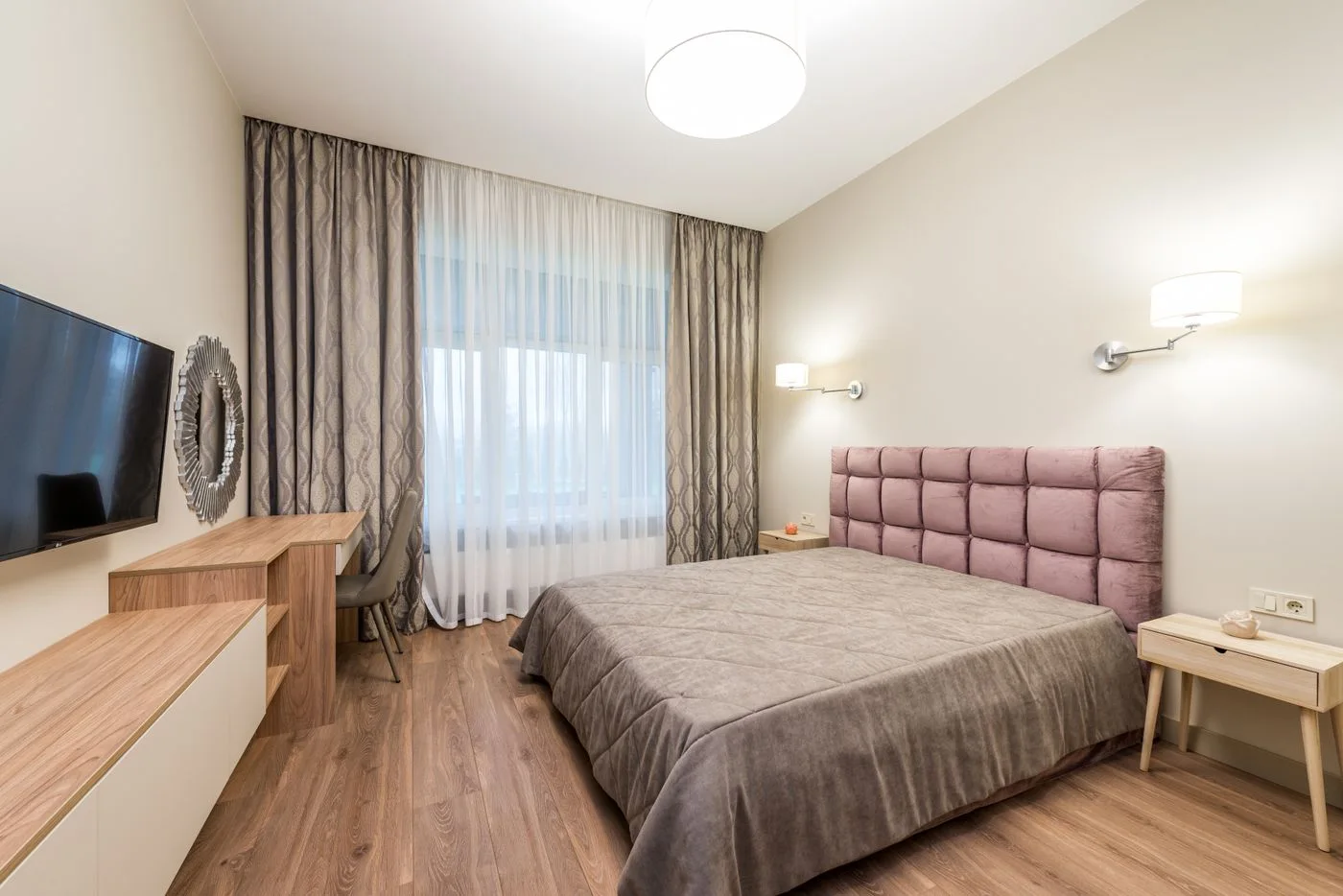
Licensed editorial lifestyle photography. Images illustrate the setting; pictured items are not product endorsements.
Choose the question before the shade
A bedroom colour comparison is easier when the question is specific. You might want a retained curtain to feel more connected or a large pale surface to have a different character. Identify that purpose before collecting every attractive colour card.
Keep the existing furniture, floor and bedding in view. The sample should be compared with the room that will remain, not an imagined arrangement requiring several additional purchases. Choose a small initial shortlist so differences remain understandable.
Use samples under their instructions
Follow the actual sample product's preparation, application, drying and handling information. Choose an appropriate board or other permitted sample method. Keep relevant safety and ventilation requirements in view; this visual guide does not replace the manufacturer's directions.
Label each sample clearly with its actual product and colour identity. Similar names or handwritten abbreviations can become confusing later. A suitable sample board helps comparison, but it cannot establish every aspect of the final surface, finish or application result.
Move the comparison thoughtfully
View the permitted dry sample beside retained materials and at different suitable positions in the room. Include the light at ordinary times of use. Keep handling and surface contact appropriate to the sample and surrounding products.
Notice the colour relationship rather than expecting one universal response. A shade may appear different beside a warm textile and a cool floor. Avoid claiming exact colour reproduction from a phone photograph; inspect the real sample where possible.
Record the actual observation
Write a short useful note, such as works beside the curtain but feels too strong on the large wall. Separate preference from product suitability, which still needs its own surface and application checks. Keep uncertain questions available for the relevant supplier or professional.
Our bedroom guide considers the whole room. The bedding guide helps where a retained textile is the main comparison. Resolve those relationships before adding another unrelated sample.
Confirm the final product separately
Before purchasing, check the actual paint, finish, surface preparation and application requirements. A colour sample alone does not establish that a particular product suits the intended surface. Obtain appropriate advice where the condition or material creates uncertainty.
Keep the chosen sample identity with the household project information for later reference. Store or dispose of remaining materials under their instructions and applicable requirements. A modest clear comparison can support a considered colour choice without turning the bedroom into a permanent archive of unfinished decorating ideas.
Sample board questions
Can a board predict the finished wall exactly? No. It supports visual comparison while the actual surface, product and application still matter.
Must samples be viewed in daylight only? Include the ordinary lighting conditions in which the room is used.
What if no sample feels right? Revisit the purpose and retained materials before expanding the shortlist indefinitely.