Compare a Bedding Pattern With the Existing Room
Use the actual bed, retained textiles and room light before committing to a new patterned set.
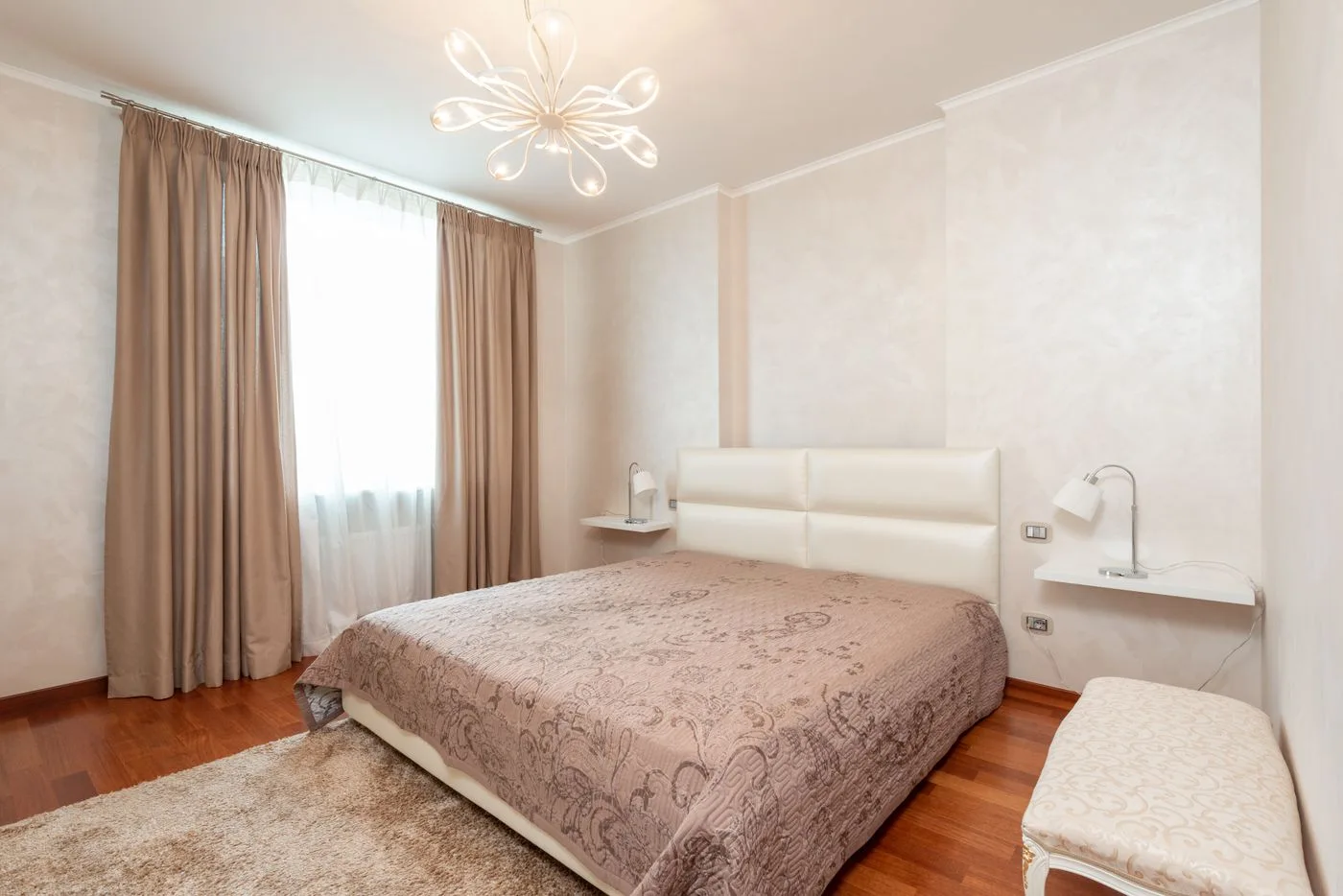
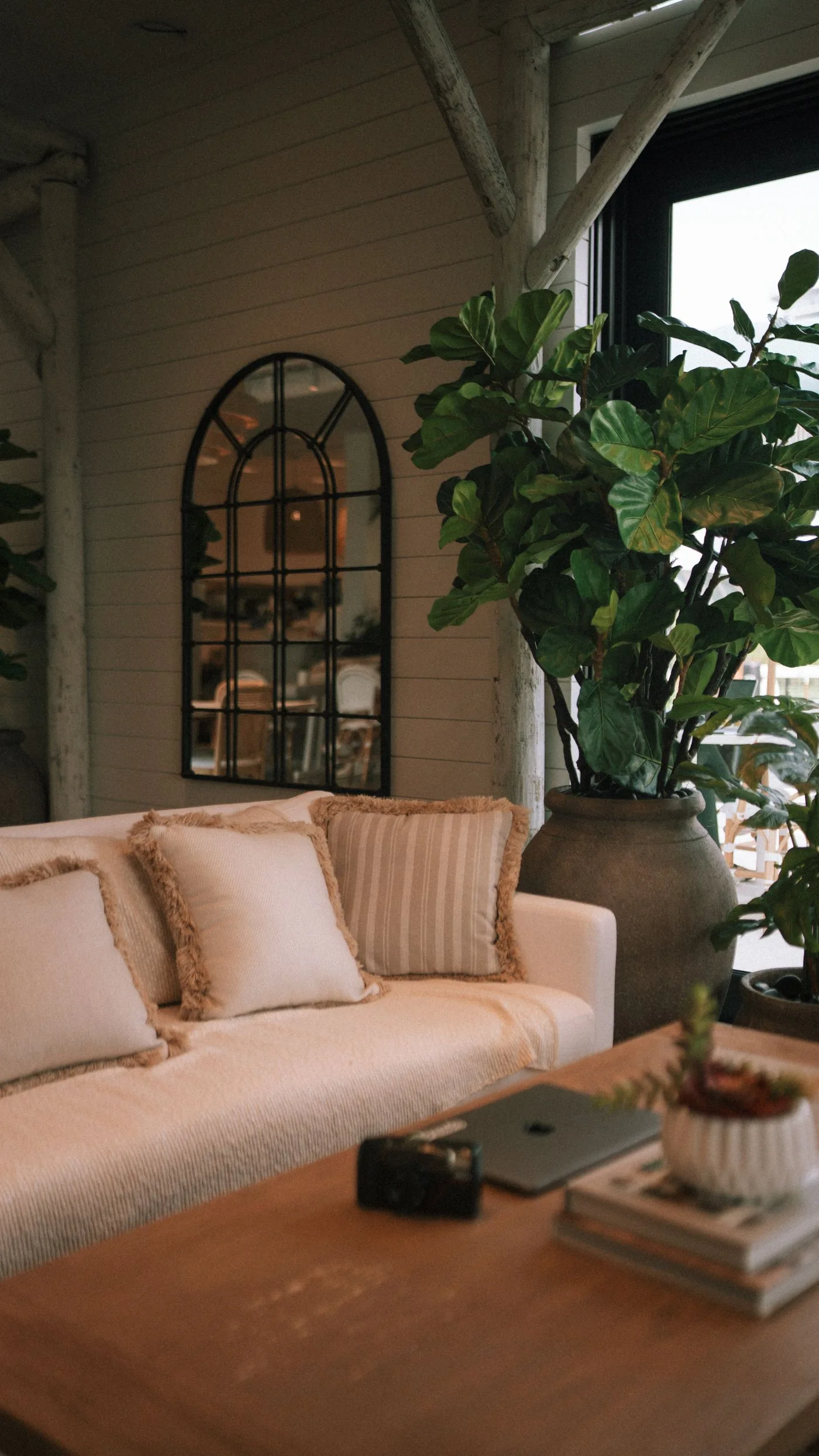
Licensed editorial lifestyle photography. Images illustrate the setting; pictured items are not product endorsements.
Begin with what stays
A new bedding pattern can occupy a large part of the bedroom's visible area. Identify the materials that will remain: curtains, flooring, furniture and useful existing textiles. Compare the proposed pattern with those pieces rather than imagining the whole room will change around it.
Check the practical requirements first. The set needs to fit the actual bedding and suit its intended use and care routine. A pleasing colour relationship does not compensate for an unsuitable size or maintenance requirement.
Look at pattern scale
Consider how much of the pattern will be visible on the made bed. A small product close-up and a photograph of a whole room communicate different things. Use actual dimensions and suitable samples or clear supplier images where available, while recognising their limitations.
Notice the relationship with other patterns already present. Similar colours may still create a busy effect if several strong scales compete. There is no universal rule against mixing patterns; begin with the real materials and decide what you enjoy seeing together.
Compare in ordinary light
View available samples beside the retained pieces at the times the room is normally used. Keep screen colour differences in mind when comparing online options. A descriptive shade name does not establish the exact finished appearance.
Our bedroom guide considers the room beyond the textile choice. The curtain guide helps where the main visual relationship is between the window and bed. Keep both products' practical requirements distinct.
Choose supporting layers modestly
If a patterned set is appropriate, try it with the useful covers or cushions already owned. One plain retained layer may provide enough connection. Avoid deciding that every visible textile must be replaced before the main set has been assessed in the room.
Keep decorative additions proportionate to ordinary bed use and storage. A large cushion collection creates another removal and return task. Choose pieces because their role is clear, rather than treating a styled product photograph as a compulsory complete arrangement.
Check the reserve before purchasing
Review the suitable spare bedding already available and the space for another set. Include care, drying and storage needs when deciding whether the addition makes sense. A fresh pattern may be enjoyable without being an urgent household requirement.
Our cupboard guide supports reviewing the reserve. Keep any purchase description specific: fit, material, care, pattern scale and colour relationship. That short brief is more useful than ordering several sets simply because each looks attractive in a different photograph.
Bedding pattern questions
Must bedding match the curtains? No. Compare their actual relationship without requiring identical fabric or motifs.
Can a sample show the whole finished bed? No. It helps with material and colour, while pattern placement and scale need additional information.
What if the room feels busy afterwards? Reduce optional supporting layers before assuming another major purchase is necessary.