Record the Pieces before Lending a Toy Set
Record the pieces and agreed return of a borrowed toy set, keeping ownership, instructions and any missing part clear without inventing a complicated inventory.
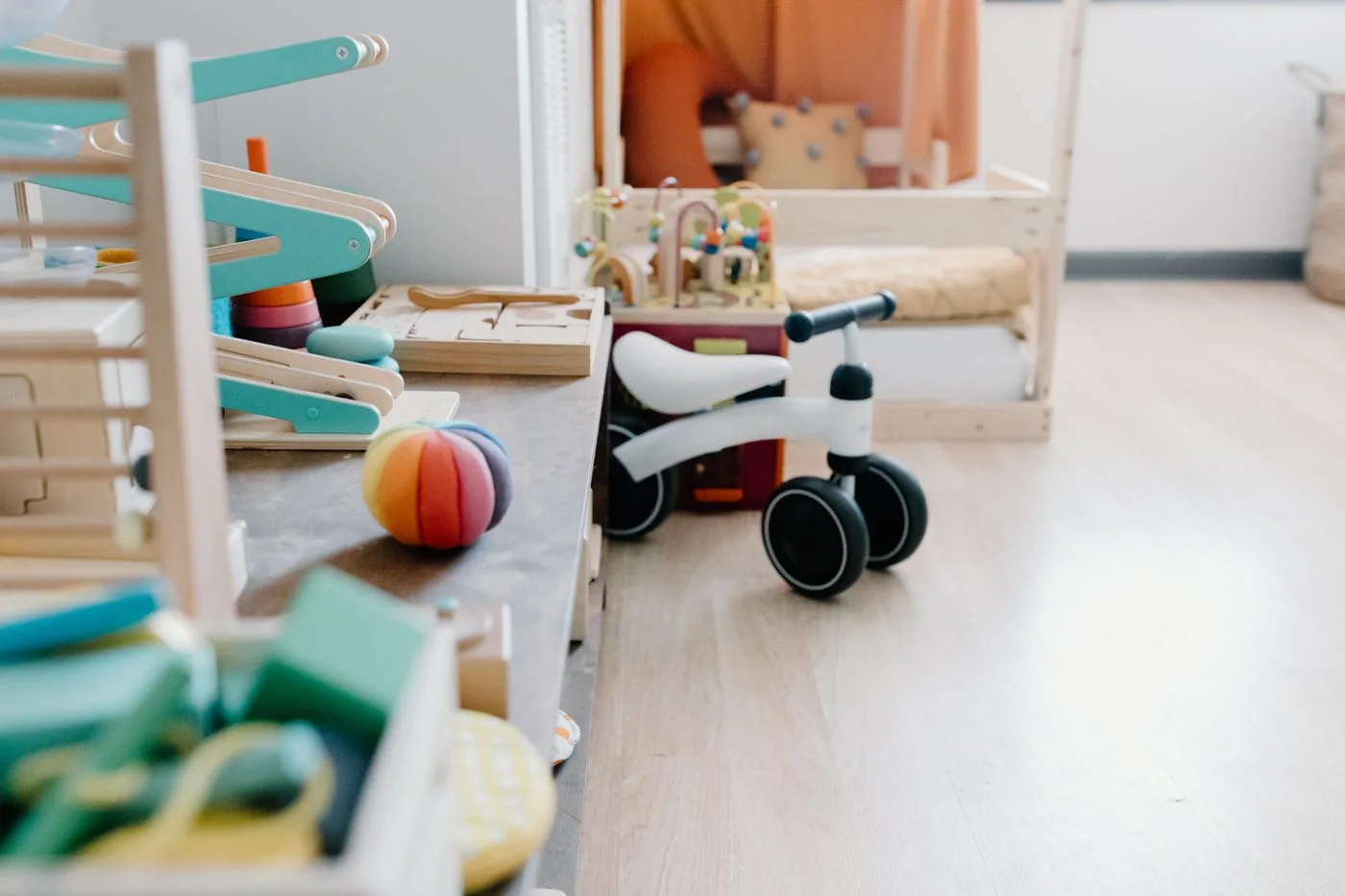
Licensed editorial lifestyle photography. Images illustrate the setting; pictured items are not product endorsements.
Lending a toy set involves more than handing over a box when several small pieces belong together. A simple record can show what was included and how it should return. The record is for clarity between the adults responsible for the exchange; it does not replace age guidance, supervision or the toy's own instructions. Keep the task focused on identifying the actual set being lent.
Agree on the scope of the loan
Start with the owner and the person receiving the set. Confirm that it is a loan and discuss the expected return opportunity. If only part of a larger collection is being lent, identify that group clearly. A box that once held the full set may not accurately describe the pieces currently inside it, especially after years of ordinary use.
Lay out the included pieces in a suitable place and make a modest record. A clear photograph and a short list can work for a manageable group. Name any unusual or easily confused component so the recipient can recognise it. If something is already missing, say so at the beginning rather than leaving the next household to wonder whether it disappeared during their use.
Keep instructions connected
Include the current instructions or identify the official source where they can be found. Let the responsible adult check suitability and any relevant requirements for the actual children and circumstances involved. Do not use the loan list to improvise safety advice or to infer that a toy is appropriate merely because it has been used before.
Choose a suitable way to keep the loaned group together during the exchange. If the original packaging no longer works, explain the alternative container and what belongs inside it. Keep unrelated household pieces out of the group so that the return record remains meaningful. A borrowed set is easier to understand when the container's contents match the description.
Make the return a shared check
Before returning the set, compare it with the original record. If a piece cannot be found, communicate that directly rather than substituting a similar-looking component without agreement. Keep the discussion factual: what was included, what is present now and what still needs checking. The record should make the conversation simpler, not turn a casual loan into an accusation.
Once the owner receives the set, confirm that the loan is complete and retire the temporary reminder. Keep the photograph only if it remains useful to the owner for future organisation. A successful record can be very small. Its purpose is to preserve ownership and the identity of the pieces so that sharing an object remains generous, understandable and easier to finish.
Related reading
Keep a Board Game’s Current Parts Together, Measure the Full Footprint of a Shared-Room Activity.