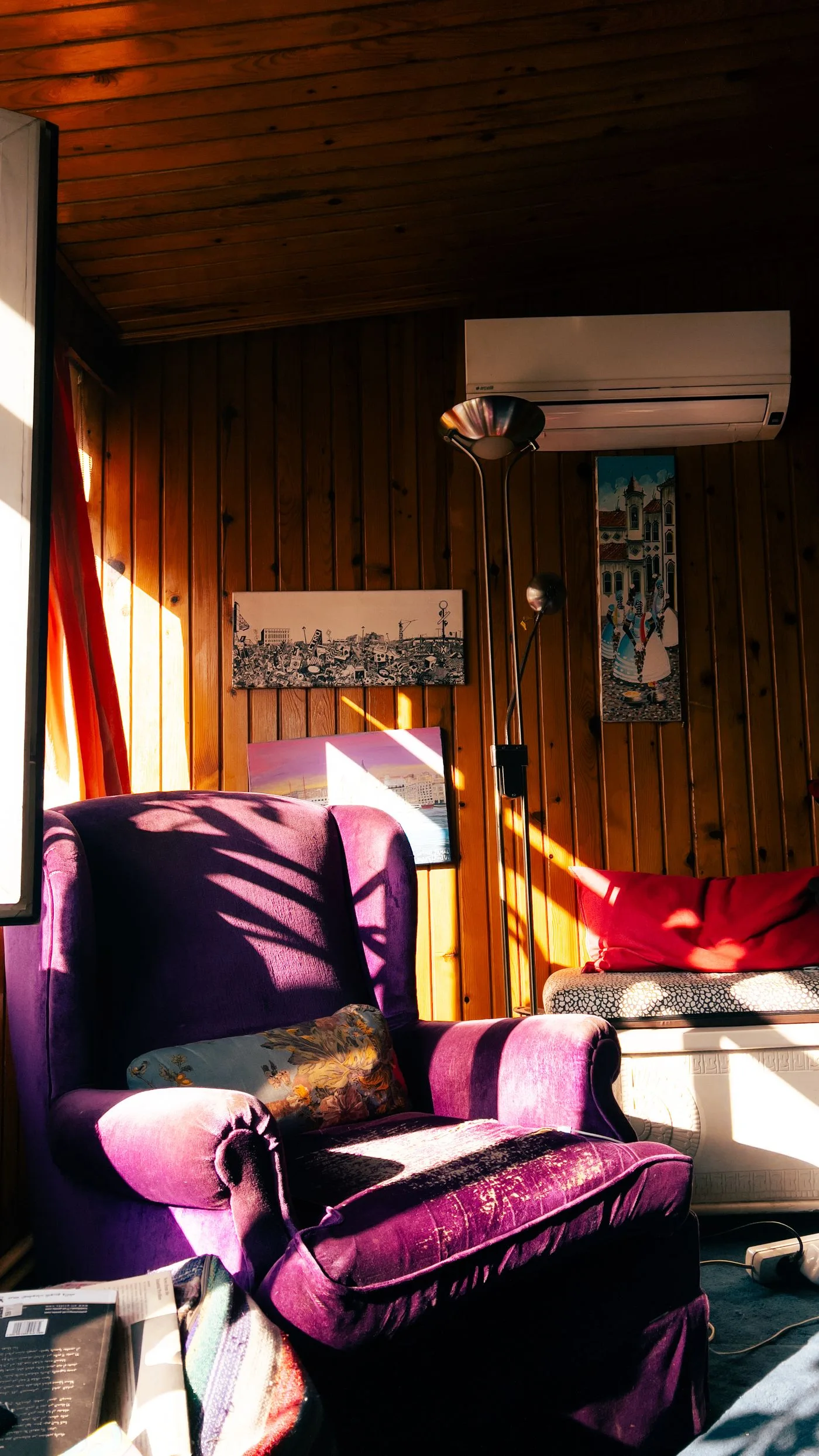
Take Room Reference Photographs for a Specific Decision
Take room reference photographs to answer one furnishing or layout question, keeping the useful angles, measurements and retained objects clearly connected.
Licensed editorial lifestyle photography. Images illustrate the setting; pictured items are not product endorsements.
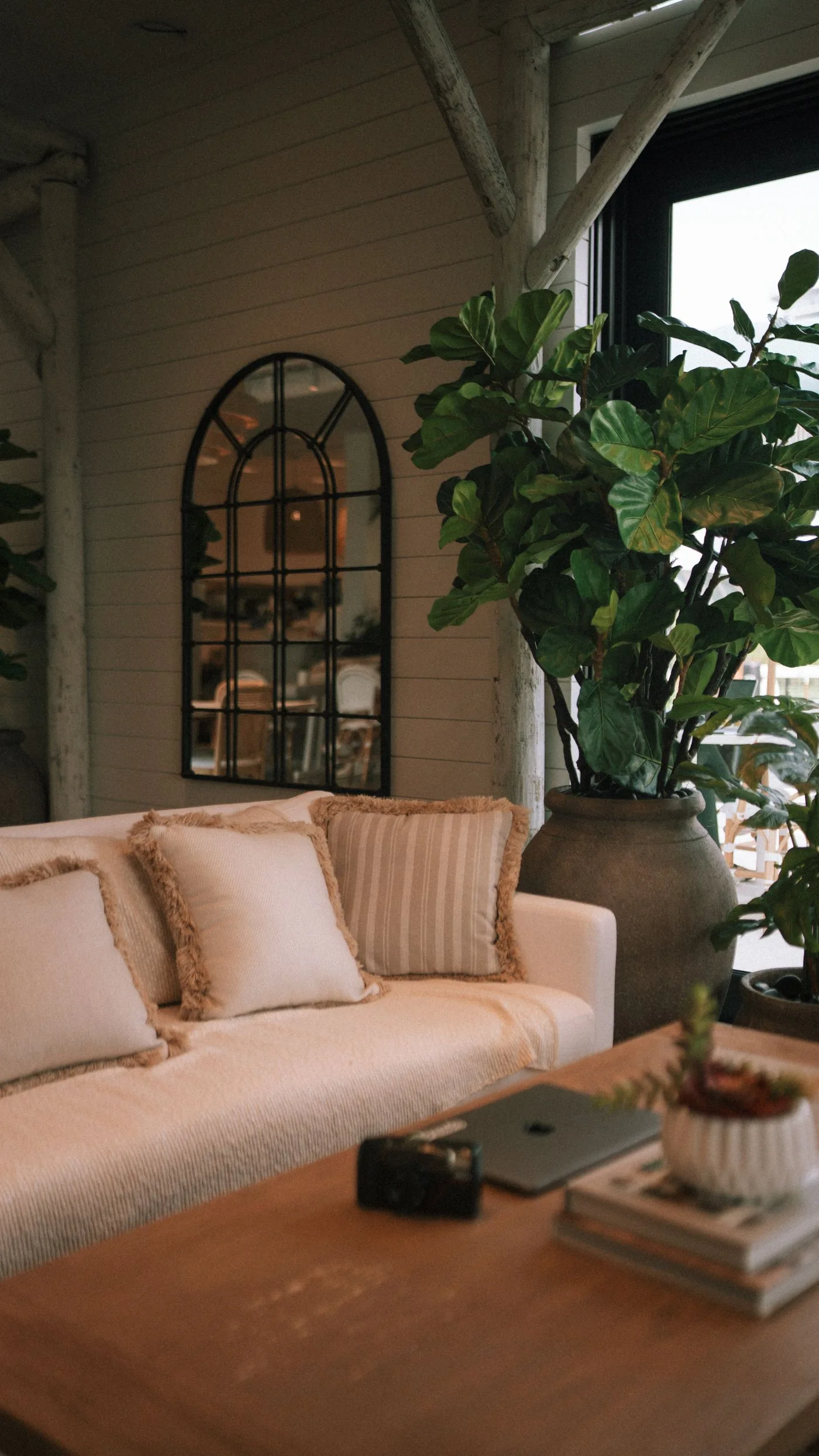
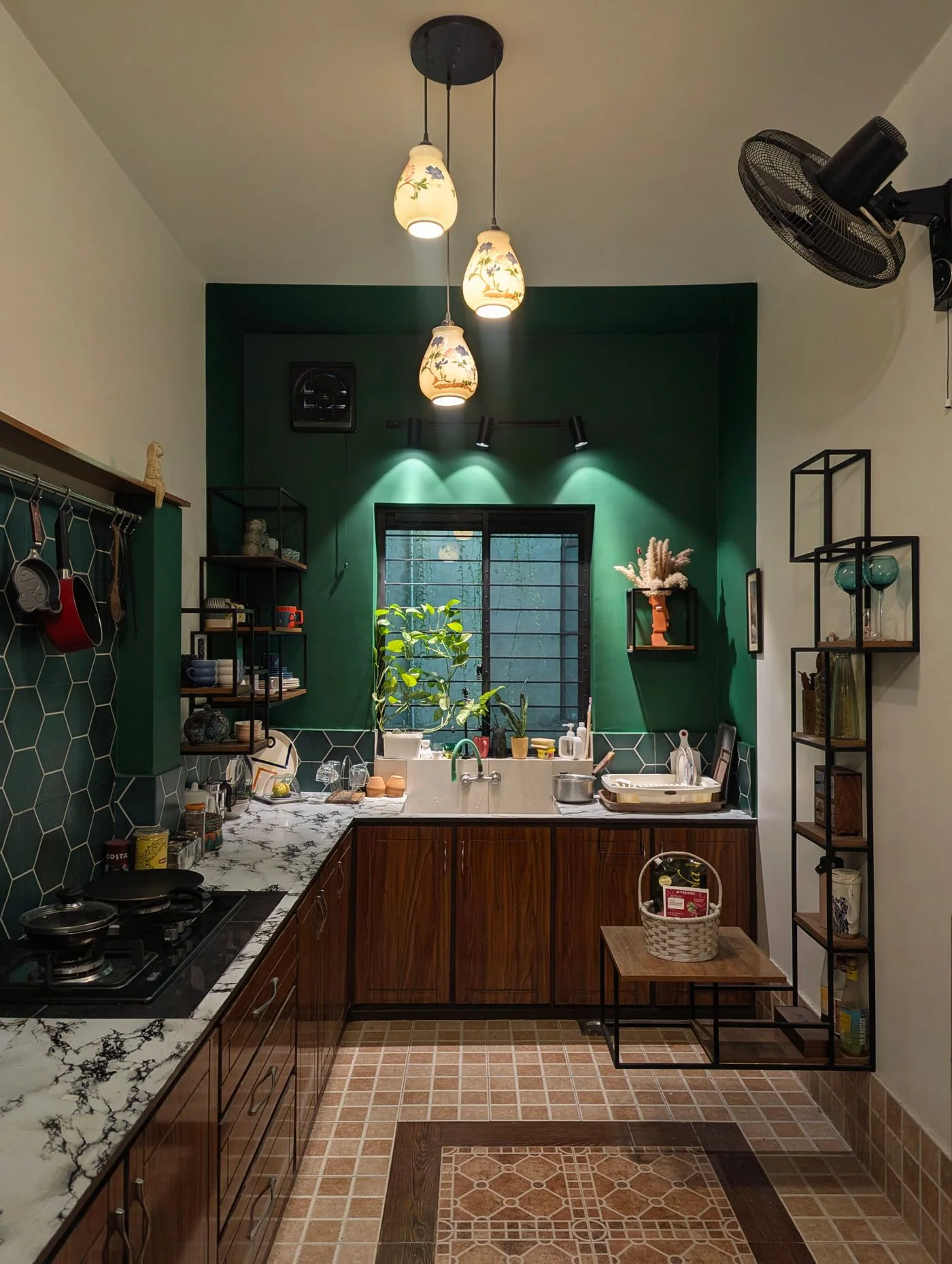
A room photograph becomes a useful reference when you know what it is meant to answer. A wide view may explain how furniture relates, while a close detail may show a finish that matters to a purchase. Taking many pictures without a question can leave you with a camera roll that is harder to interpret than the room itself. Begin with the decision, then choose the views that support it.
State the question before taking pictures
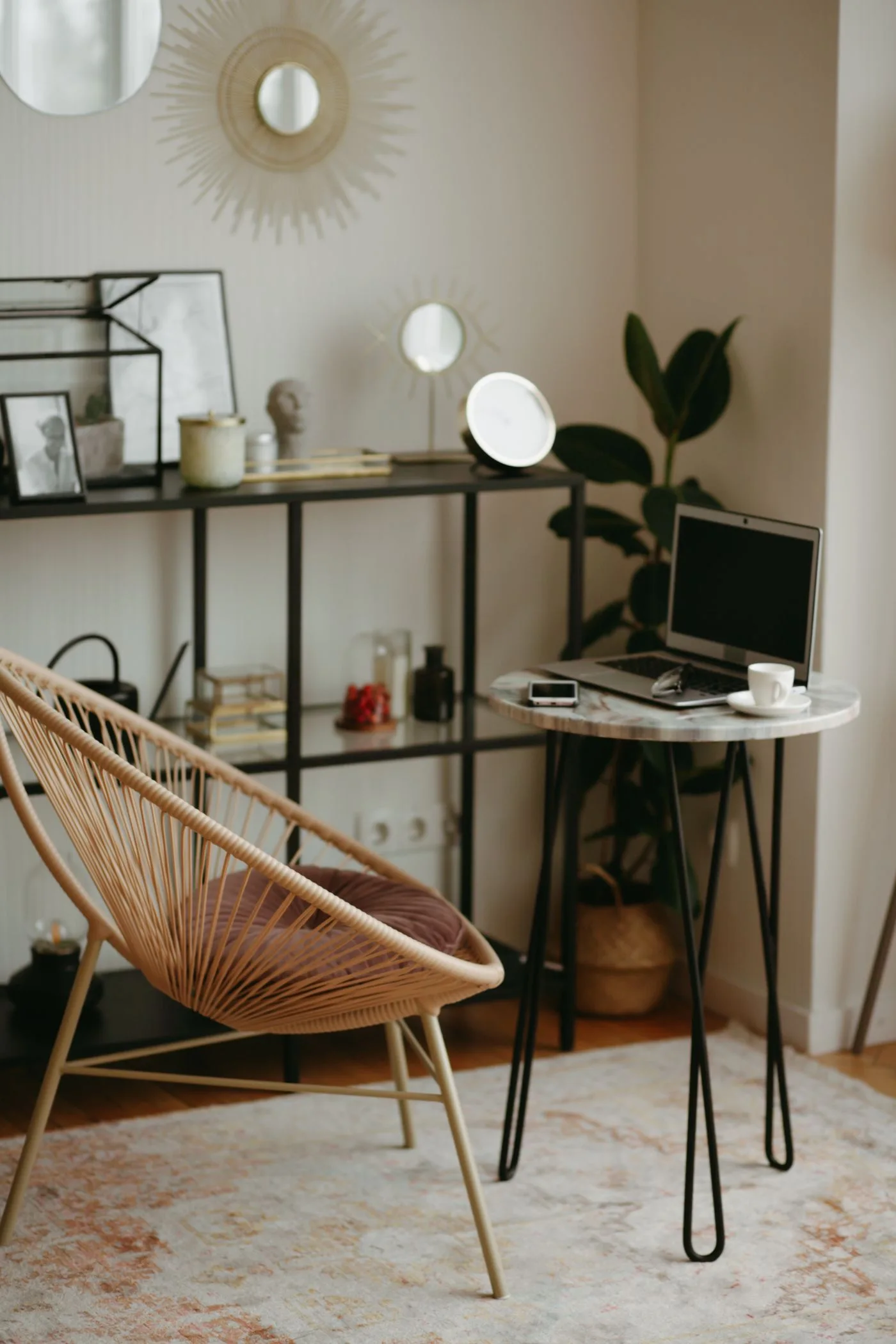
Write a sentence such as whether a side table will fit beside the retained chair, or how a proposed fabric relates to the existing curtains. Name the furniture or finish that will stay. This prevents a photograph of the room from quietly becoming a plan to replace everything visible in it. The reference should support the scope you actually intend.
Choose an overall view that shows the relevant relationship. Include the surrounding objects needed to understand scale and position, while recognising that a photograph is not a measurement. If physical dimensions matter, measure them separately and connect the numbers with a labelled sketch or note. Perspective can make an opening or a surface look larger than it is.
Add only the details you need
Take a closer view of the material, edge or junction involved in the decision. Keep its identity clear: the curtain beside the main window, for instance, rather than a nameless square of fabric. If colour matters, note the light and remember that the image on another screen may not reproduce it precisely. Use actual samples and the room itself for decisions that depend on a close colour relationship.
Remove private papers and personal information from the view if the photographs may be shared with a retailer, designer or another person. Check mirrors and screens as well as the main subject. You can create a useful room reference without transmitting unrelated details of household life. Share only the views that answer the question being discussed.
Keep the record tied to the decision
Label the chosen photographs with the room and the detail they show. Add the measurement note where it will be found with them, rather than leaving the numbers in a separate message. Keep a small, clear set of references and set aside redundant trial shots so the important view is easy to locate.
When the room changes, mark the reference as an earlier arrangement or replace it before using it for another purchase. A photograph that once answered the question may become misleading after furniture moves. The aim is not a permanent photographic inventory of the home. It is a reliable record of the room as it relates to one practical decision, with enough context to avoid guessing when you are away from it.
Related reading
Make a Short Room Inventory Before Buying Decoration, Draw the Door Swing Before Moving the Living-Room Furniture.