Check a School Bag with Its Actual User
Check a school bag with the person who uses it, separating genuine requirements from adult assumptions and making the next departure easier to understand.
Ketut Subiyanto
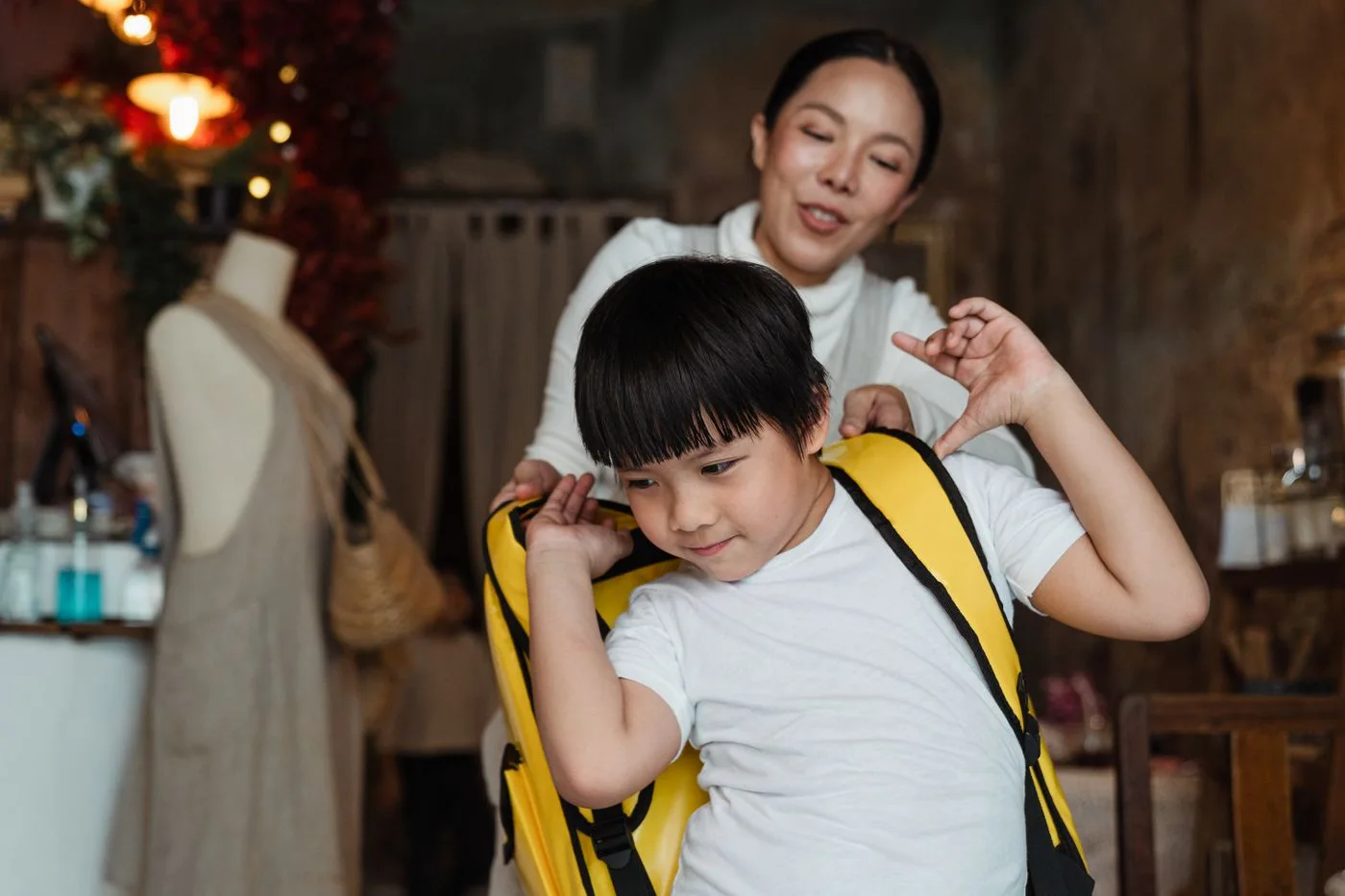
A school bag check can become an adult rearranging possessions while the child watches. The bag may look tidier afterwards, yet its user no longer knows where anything belongs. Treat the check as a shared conversation about the next actual school day. Use the school's current information where requirements matter and give the child an appropriate role in finding and recognising their belongings.
Start with the real day ahead
Look at the relevant timetable, school message or activity instructions rather than relying on a memory of another week. A special event may change what is needed. Keep uncertain requirements separate from confirmed ones, and ask the appropriate school contact when clarification is necessary. Do not ask a child to resolve an ambiguous adult message by guessing.
Explain the purpose of the check in ordinary language. It might be making sure a particular item is present or returning something that came home. Avoid treating every object as evidence of good or bad organisation. A bag can contain unfinished work, a friend's property or an item whose reason is not immediately obvious.
Let the user find the items
Invite the child to show where the relevant belongings are kept, with support suited to their needs. Notice whether the arrangement makes sense to them. A compartment that adults consider obvious may be difficult to reach or remember. Agree any change together instead of silently moving everything into a new system.
For belongings with several pieces, the guide to recording a borrowed set offers a related principle: identify the actual components before deciding that something is complete. Follow the school's instructions for required materials and avoid adding unnecessary items just because there is space left in the bag.
Keep the list small and understandable
Build a list around the items that genuinely need checking. Use wording or an appropriate visual cue that the child can understand, rather than a long adult inventory. Discuss what happens when something is missing. The useful response might be telling an adult, checking a known location or asking the school, rather than searching indefinitely.
Respect privacy when handling papers or personal belongings. A routine check should not turn into displaying the contents to siblings or visitors. Deal with relevant school communications through the appropriate channel, and keep personal information out of visible labels unless it is actually needed under the school's arrangements.
Make the next departure workable
Agree where the bag will wait and who handles any remaining task. Keep the location appropriate to the household and the bag's actual use. If an item must be added later, identify that specific unfinished step instead of claiming the whole bag is ready. A shared check should end with a clear understanding of what is settled.
The storage-label article can help distinguish a useful current description from a label that has outlived its contents. Review the bag routine when the timetable or the child's needs change. Success means the user can find what they need with suitable support; it does not require every pocket to match an adult's preferred arrangement.