Ask before Putting Another Person’s Portrait on Display
Ask permission before displaying another person’s portrait, agreeing on the picture, location and audience rather than treating a shared photograph as blanket consent.
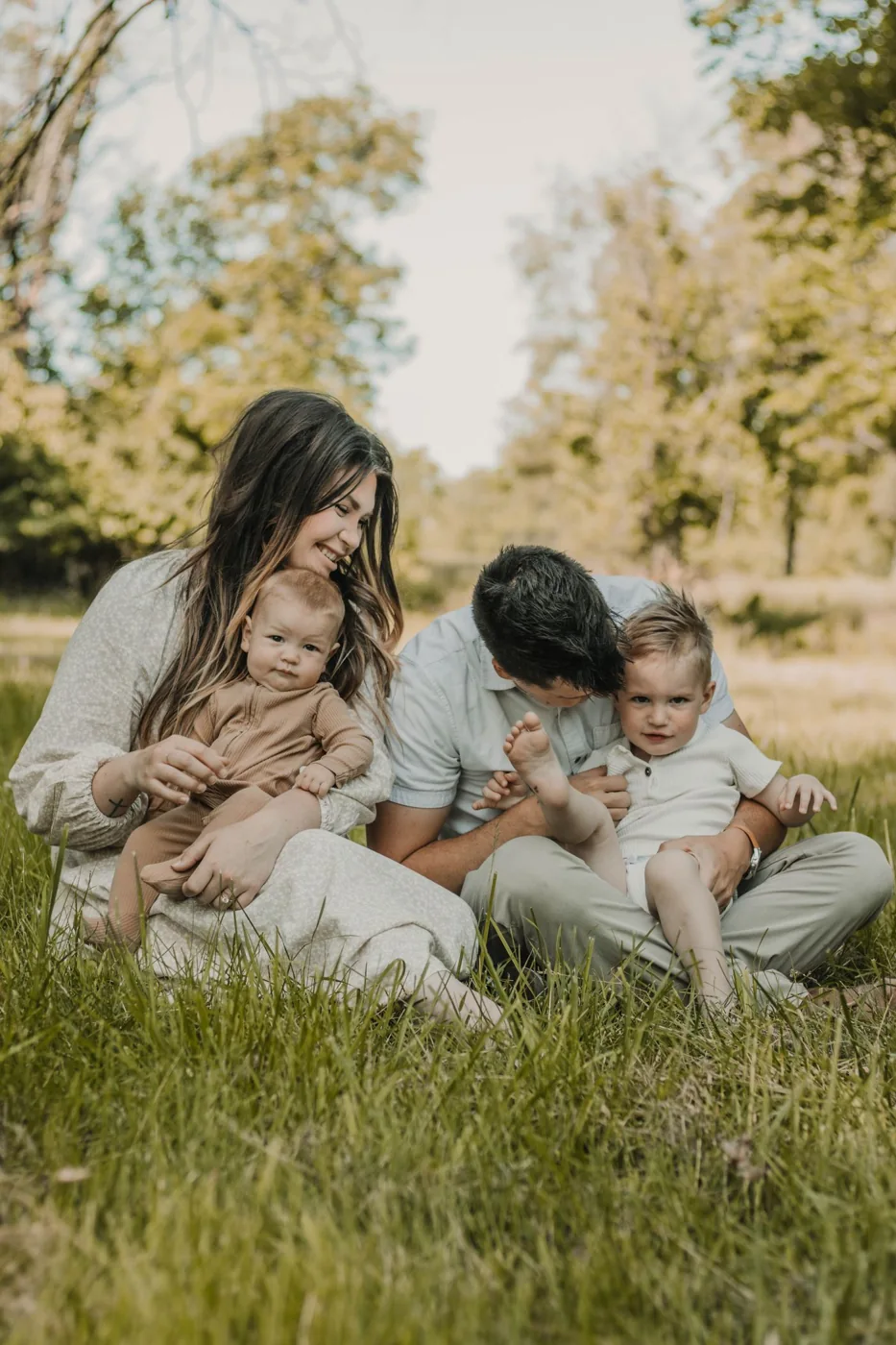
Daniel & Hannah Snipes
A photograph can be freely shared in one context without being intended for every wall, frame or visitor. Before displaying a portrait of someone else, ask about the actual picture and its intended place. The conversation can be brief, but it should leave room for a real refusal. Affection for an image does not tell you how the person pictured feels about being seen in it.
Show the exact photograph
Identify the version you intend to use, including any crop or alteration that changes the impression. A person may like one picture from a gathering and dislike another. Avoid asking a broad question that sounds like approval for an entire collection. Let them look at the actual image without pressure to respond immediately.
If several people appear, consider each person rather than assuming one answer covers the group. Where a child is pictured, involve the appropriate responsible adult and respect the child's views in a way suited to their circumstances. Follow any applicable requirements through appropriate guidance rather than treating this article as legal advice.
Explain the display context
A private bedroom, a shared hallway and a room used by frequent visitors have different audiences. Describe where the portrait will be and whether it might appear in photographs of the room. Do not automatically extend agreement for a physical frame to an online post. Those are separate decisions with different visibility.
The room-reference photography article can help clarify why an image of a room is being taken and who needs to see it. Check portraits and other personal details before making those photographs. A useful decorating reference rarely needs to expose every private object in the background.
Offer alternatives without bargaining
If the proposed portrait is unwelcome, ask whether another image would be comfortable only if the person wants to suggest one. Do not turn the question into a negotiation that must end with a displayed photograph. A landscape, an object or an empty space may serve the room perfectly well.
Keep the response out of a public family debate. Someone does not need to explain their appearance, relationships or personal history to justify discomfort with a picture. A simple answer can be enough for a household decision. Avoid making their refusal sound like a rejection of the occasion or the person who selected the frame.
Make later changes straightforward
Agree that the arrangement can be revisited. A person's circumstances or preferences may change, and a once-private room may acquire a different use. Respond to a request to remove or replace the picture without requiring a fresh argument about why it was originally allowed. Keep any digital copies according to the actual agreement and relevant requirements.
The guide to choosing a child's artwork for display also treats display as participation rather than an adult decision made silently for someone else. Apply that care to portraits. A meaningful photograph belongs in a room when the people connected with it understand and accept the way it is being shown.