Give a Picnic One Clear Weather Alternative
Give a picnic a workable weather alternative, making the change easy to understand without assuming that every guest can move indoors or alter their journey.

Stock photographer
A picnic invitation can sound settled even when the place, transport and food all depend on weather. Adding a vague promise to decide later leaves guests guessing about what to carry and when to leave. Choose one realistic alternative while the gathering is still being planned. The purpose is to give people enough information to make their own arrangements, including the option to decline the revised plan.
Identify what would actually change
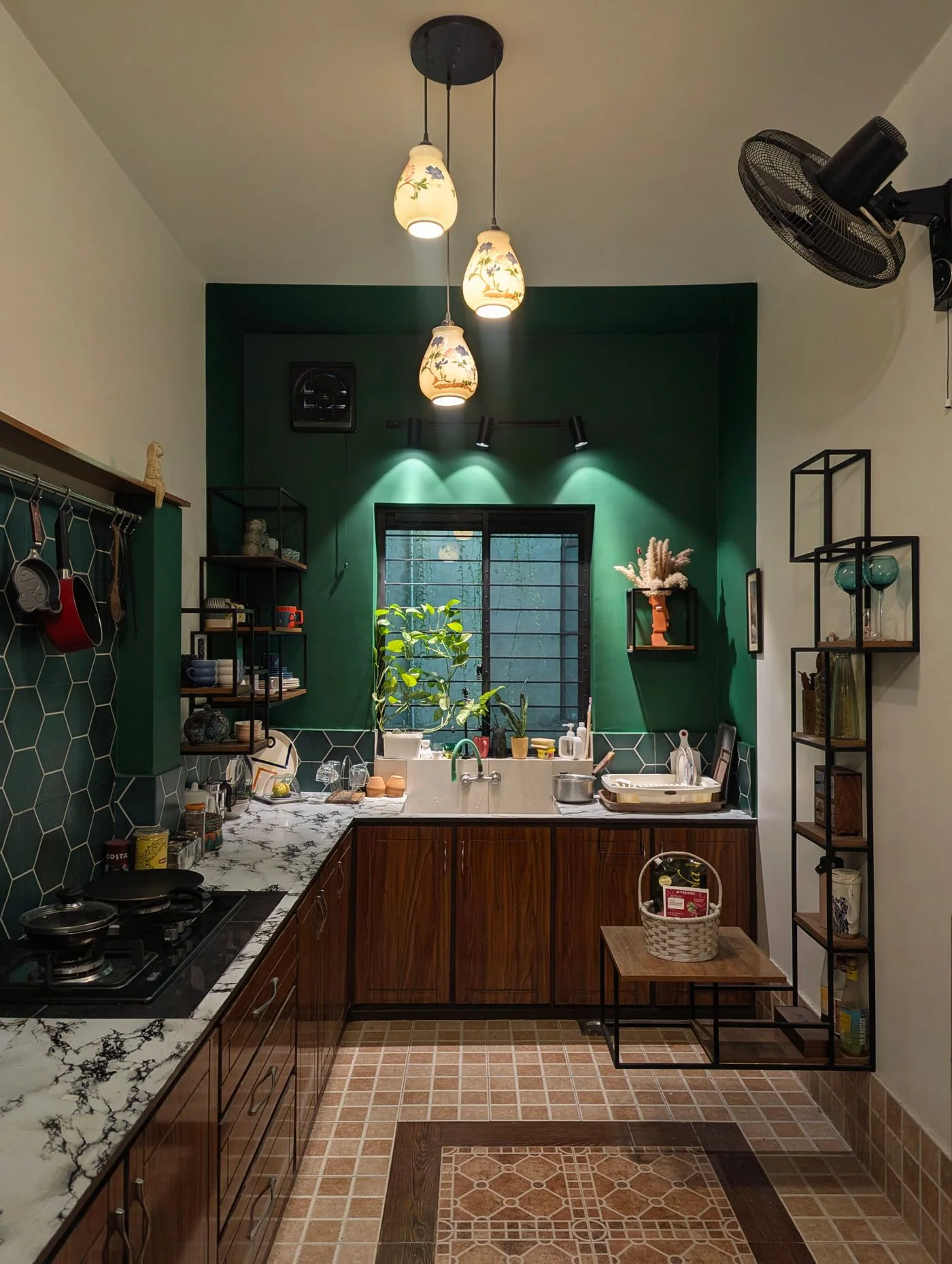
Separate a different meeting place from a different kind of event. Moving from a park to someone's kitchen may change capacity, access, noise, seating and the work expected of the host. Check that the proposed host has agreed before presenting their home as the automatic answer. An outdoor invitation does not establish permission to bring the same group indoors.
Consider the guests' journeys as part of the decision. Someone arriving on foot may be able to change direction easily, while another person may have booked transport or arranged help. Ask about relevant constraints without asking people to explain private circumstances to the whole group. A practical alternative respects the arrangements that already exist.
Choose a decision point people can use
Agree when the organiser will confirm the plan and where that message will appear. Make the timing useful for the earliest relevant departure rather than the organiser's own journey alone. Avoid creating several competing message threads that leave people searching for the latest answer. Name who will communicate the final decision.
The weekend planning guide can help keep the arrangement bounded. State the original location, the alternative and the confirmation process in one place. If either option requires a booking or a venue's agreement, establish that through the actual provider before describing it as available.
Adapt the food arrangement honestly
A different destination may need a different food plan. Check what can appropriately be transported, stored and served under the actual conditions, following relevant current guidance. Do not assume that an indoor room supplies refrigeration, serving equipment or permission to use a kitchen. Tell guests about any meaningful change before they prepare something to bring.
A shared contribution should remain an agreement. Someone who offered food for an outdoor meal may prefer not to contribute to a different format. Revise the request clearly and leave room for that answer. The dinner-arrival planning article offers a useful starting point for checking the actual people and arrangements before preparing a table.
Allow the alternative to be cancellation
Sometimes there is no suitable replacement location. A clear cancellation can be easier than a rushed plan that depends on unconfirmed space or unsuitable conditions. Explain the decision through the agreed channel and make sure people know whether another invitation will follow. Do not imply that a new date has been accepted simply because it was suggested.
Afterwards, keep only the information that will help the next gathering. Note whether the confirmation timing worked and whether guests could find the message. A weather alternative earns its place when it reduces uncertainty for the people attending, not when it creates a second complicated event that nobody has actually agreed to host.