Give a Weekend Plan One Small Boundary
Give one ordinary weekend task a specific scope, suitable next step and honest ending.

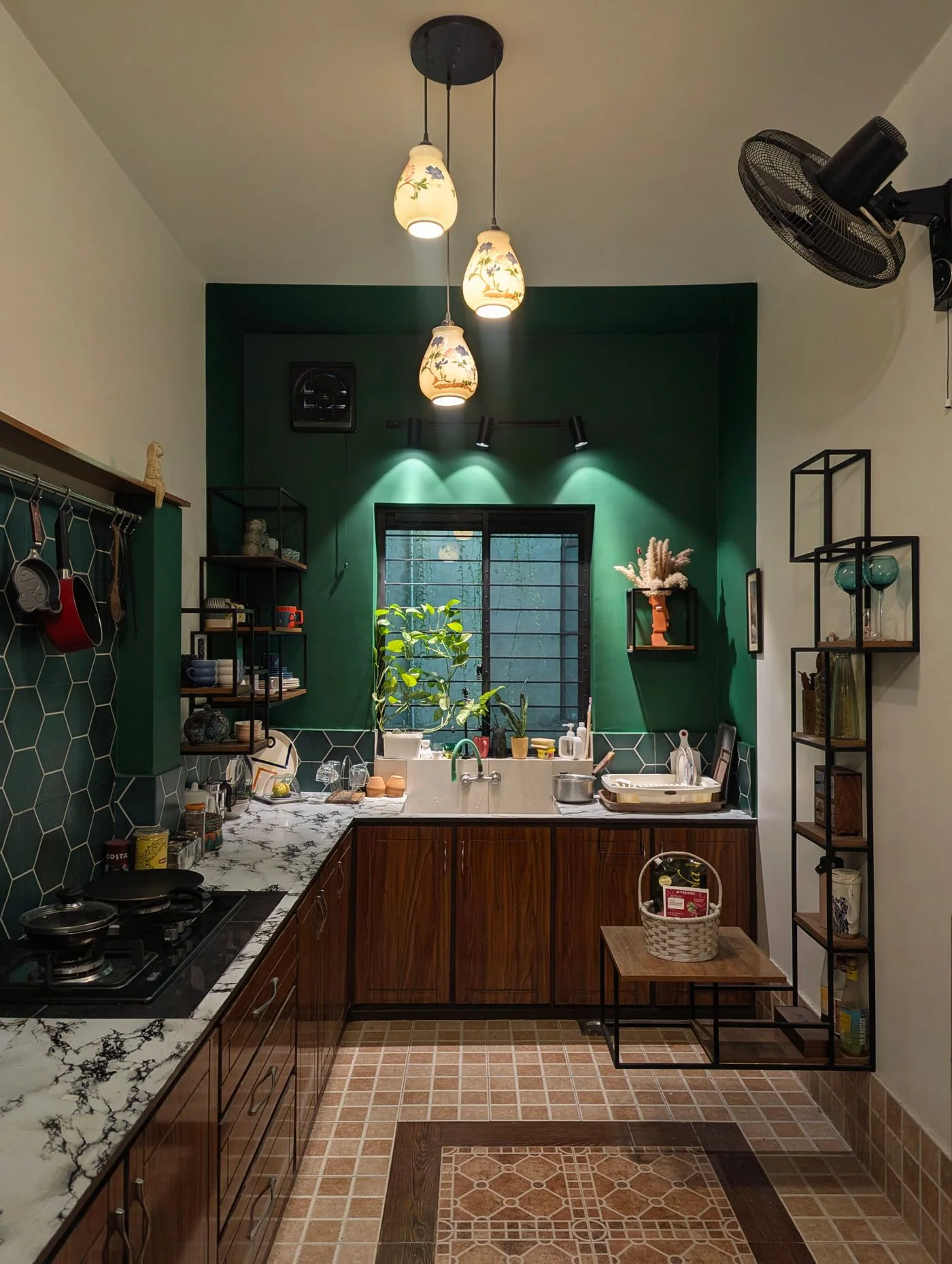
Licensed editorial lifestyle photography. Images illustrate the setting; pictured items are not product endorsements.
Choose one actual task
A weekend plan can stay useful when one ordinary task has a clear boundary. Begin with the actual question or activity rather than a complete programme for the home. Name the retained objects, room or decision involved and identify what a real ending would look like.
The writing photograph illustrates a planning moment, not a claim of measured productivity or wellbeing improvement. Keep the person's circumstances central and avoid turning a modest household preference into a routine everyone should follow.
Make the boundary concrete
Describe the intended scope in ordinary words: one cupboard group, one suitable sample comparison or one agreed household decision. A broad phrase such as sort the house leaves too many unrelated tasks open. The useful boundary explains which activities belong and which need another separate decision.
Keep the scope connected to real requirements rather than an arbitrary target. Product instructions, individual needs or a question requiring appropriate expertise may determine the suitable next step more accurately than a decorative planning rule.
Separate intention from evidence
Record what is actually known and distinguish it from personal wishes. A note that something should fit does not establish its dimensions or suitability. If the task depends on product information, current arrangements or another person's permission, keep that dependency explicit until resolved.
Where a shared task is involved, agree responsibility rather than assuming a visible plan assigns it. Preserve the actual agreement clearly and handle private details proportionately. An attractive page should not make an unconfirmed decision appear authorised.
Choose the smallest useful next action
Identify what would move the real question forward: checking a verified product reference, comparing an appropriate retained object or asking the responsible person. Keep the action matched to the task instead of collecting unrelated inspiration because the plan feels incomplete.
If a practical issue needs suitable professional or product guidance, obtain it. The plan's role is to preserve the unresolved stage, not replace the information or expertise needed to answer it responsibly.
Close or revise the task honestly
When the actual scope is complete, record the outcome and retain only information still needed. A decision not to proceed can be a useful complete result. Remove obsolete active reminders so a past possibility does not remain an assumed requirement for every future weekend.
What if the task keeps expanding? Return to the original question and give another genuine issue its own separate boundary. What if circumstances change? Revise the plan through the current information rather than defending the first note. A considered weekend boundary keeps one ordinary task legible while leaving the rest of the day available to the person's actual life.
Keep any relevant product or household reference with the result. That modest context makes the decision understandable later without preserving every discarded draft or imagined alternative.
Continue planning with Try One Room Corner Before Planning a Whole Weekend Project, A Weekend Reset That Leaves Room for Your Weekend.