Turn a Market List into Quantities You Can Explain
Turn a market list into a few understandable quantities by connecting ingredients with planned uses, checking what is already at home and leaving room to adapt.
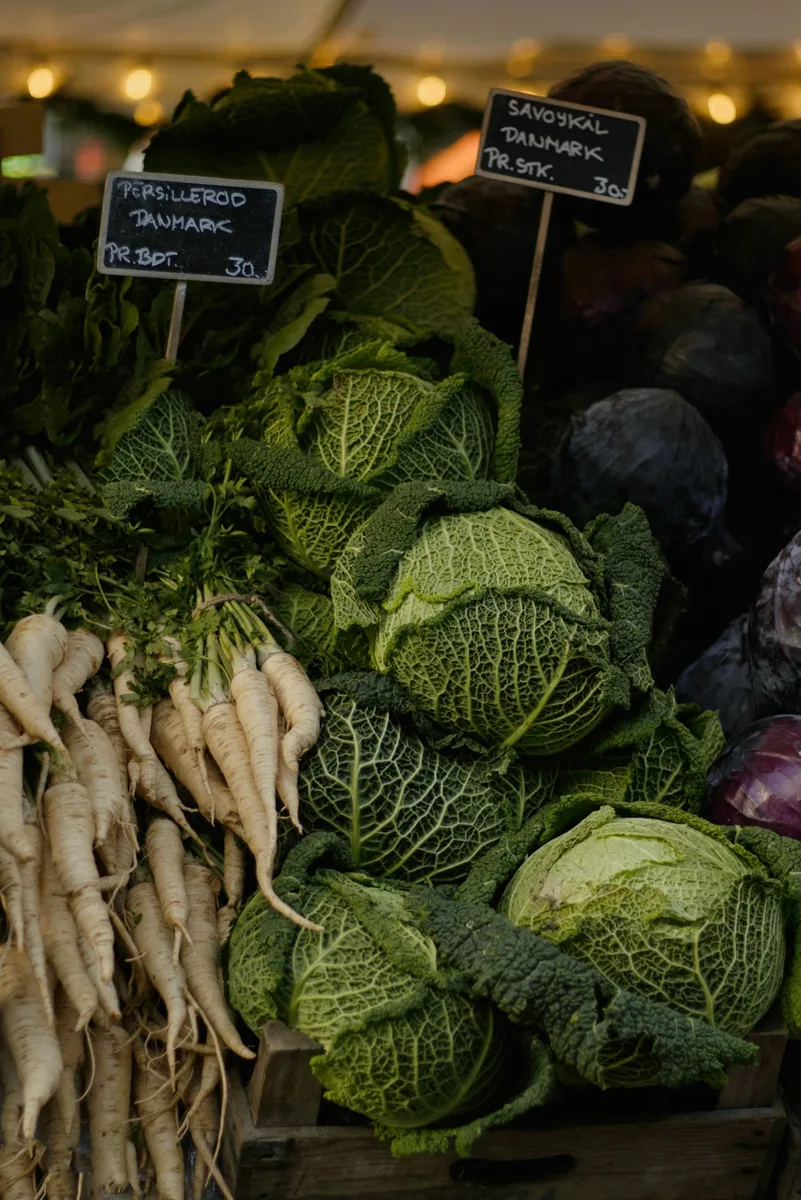
Licensed editorial lifestyle photography. Images illustrate the setting; pictured items are not product endorsements.
A market list that says vegetables or fruit gives you a direction but little help with quantity. It can lead to buying according to the size of a display rather than the meals you expect to make. A more useful list connects each purchase with a planned use and the amount you have chosen for that use. It can remain flexible while making the starting decision easier to explain.
Begin with the meals you expect
Choose the actual uses you are planning for, rather than an ideal week containing more cooking than you normally do. Name the dish or meal role in ordinary terms and refer to a recipe when that is how you plan quantities. If the meal is shared, check the number of people and any relevant needs with them. Avoid treating a general household headcount as a precise answer for every occasion.
Look at what is already available before adding the purchase. Record the amount you can reasonably identify instead of relying on the impression that the fridge is full. Keep food suitability and storage questions tied to reliable guidance and the actual item's information. A shopping note should not make an uncertain leftover seem usable simply because it would reduce the list.
Choose a quantity you can understand
Write a number, weight or other appropriate quantity alongside the planned use. The measure should make sense for the item and the way it is sold. If you do not know the amount yet, write the question you need to answer before shopping rather than filling the gap with a vague instruction to get plenty.
When the market offers a different size or form, compare it with the intended use. A very large item may not substitute neatly for several small ones. Ask the seller factual questions about what is being offered where helpful, then decide whether it still fits your plan. Keep the decision within what you can use, rather than assuming that a generous-looking purchase is automatically better value.
Allow a clear substitution
If a particular ingredient may be unavailable, decide which part of the meal can change. You might choose a different vegetable for a flexible side dish while keeping a recipe with specific requirements unchanged. Mark those roles on the list so that flexibility is deliberate. A substitute should suit the actual preparation and the people eating, not merely resemble the original item on the stall.
After shopping, compare the list with what you brought home and update the meal plan where necessary. Notice which quantities were useful and which remained guesses. That observation can improve the next list without requiring a detailed record of every purchase. A practical market list tells you what an item is for, how much you intend to buy and where you are willing to adapt. Those three details make a colourful display easier to navigate with purpose.
Related reading
Keep a Pantry Jar’s Current Identity Clear, Organise Kitchen Zones for Busy Evenings.