Use Place Cards to Make a Shared Table Easier to Set
Use simple place cards to communicate an agreed seating plan, check names and table positions in advance and keep the setting practical for the actual meal.
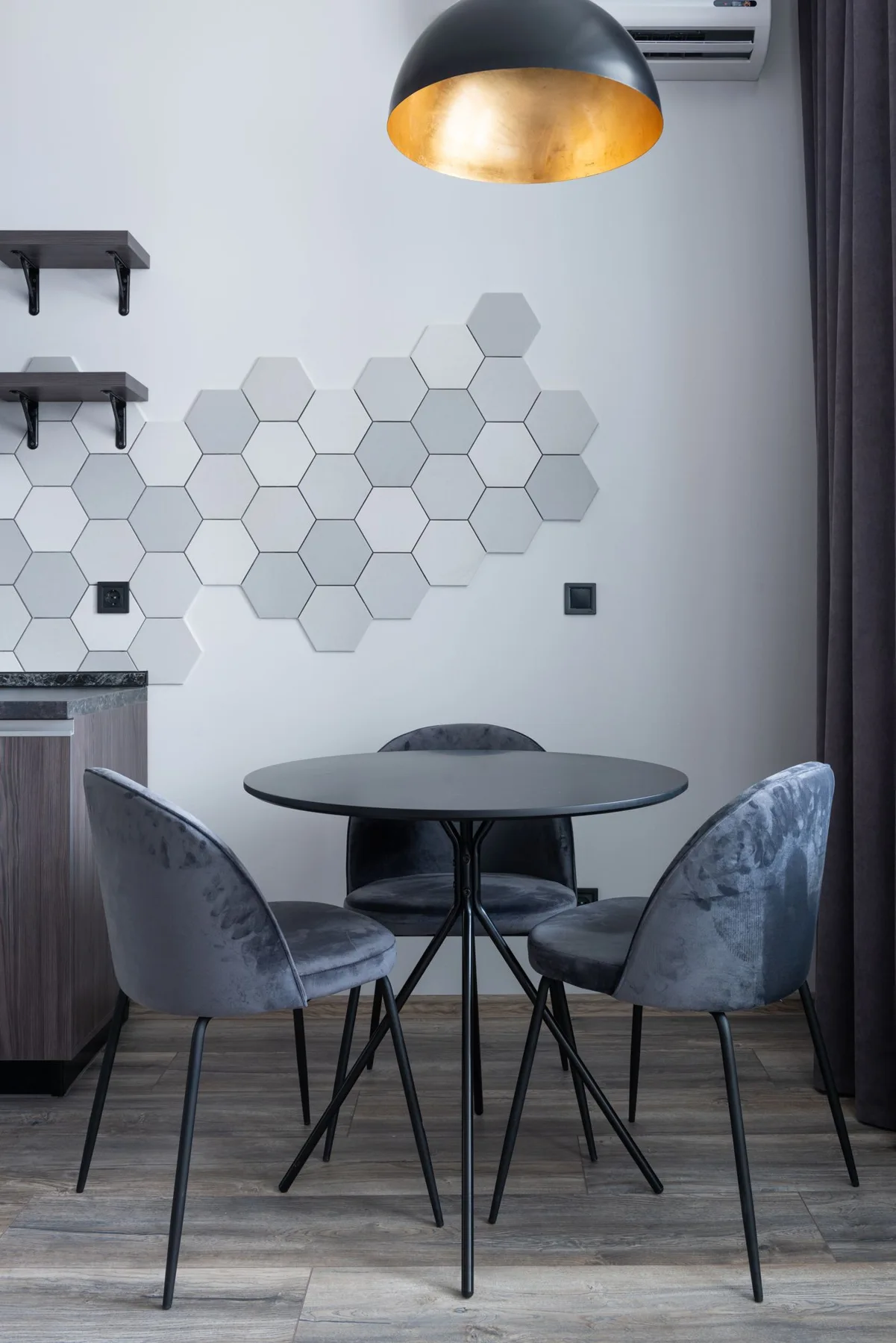
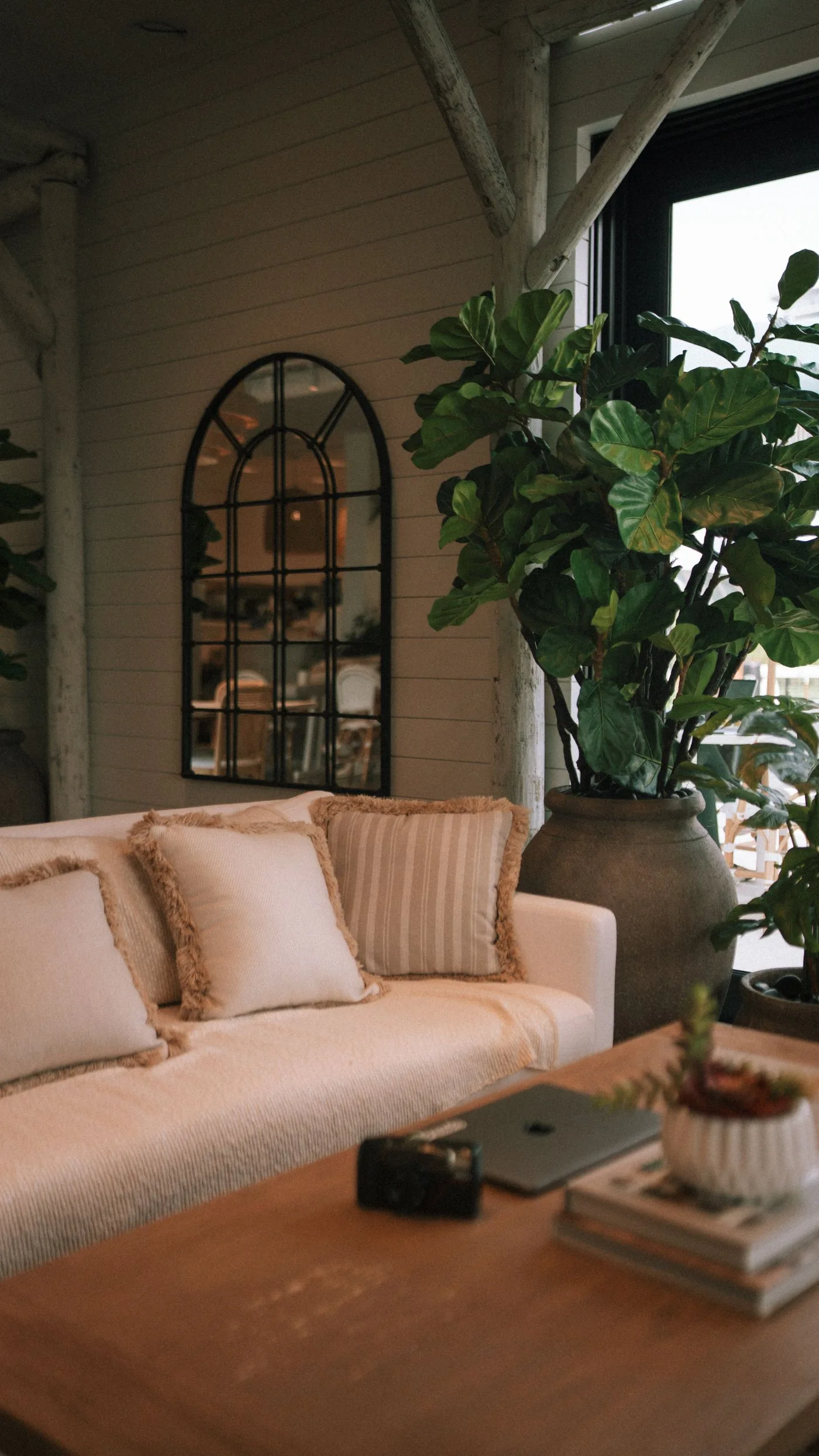
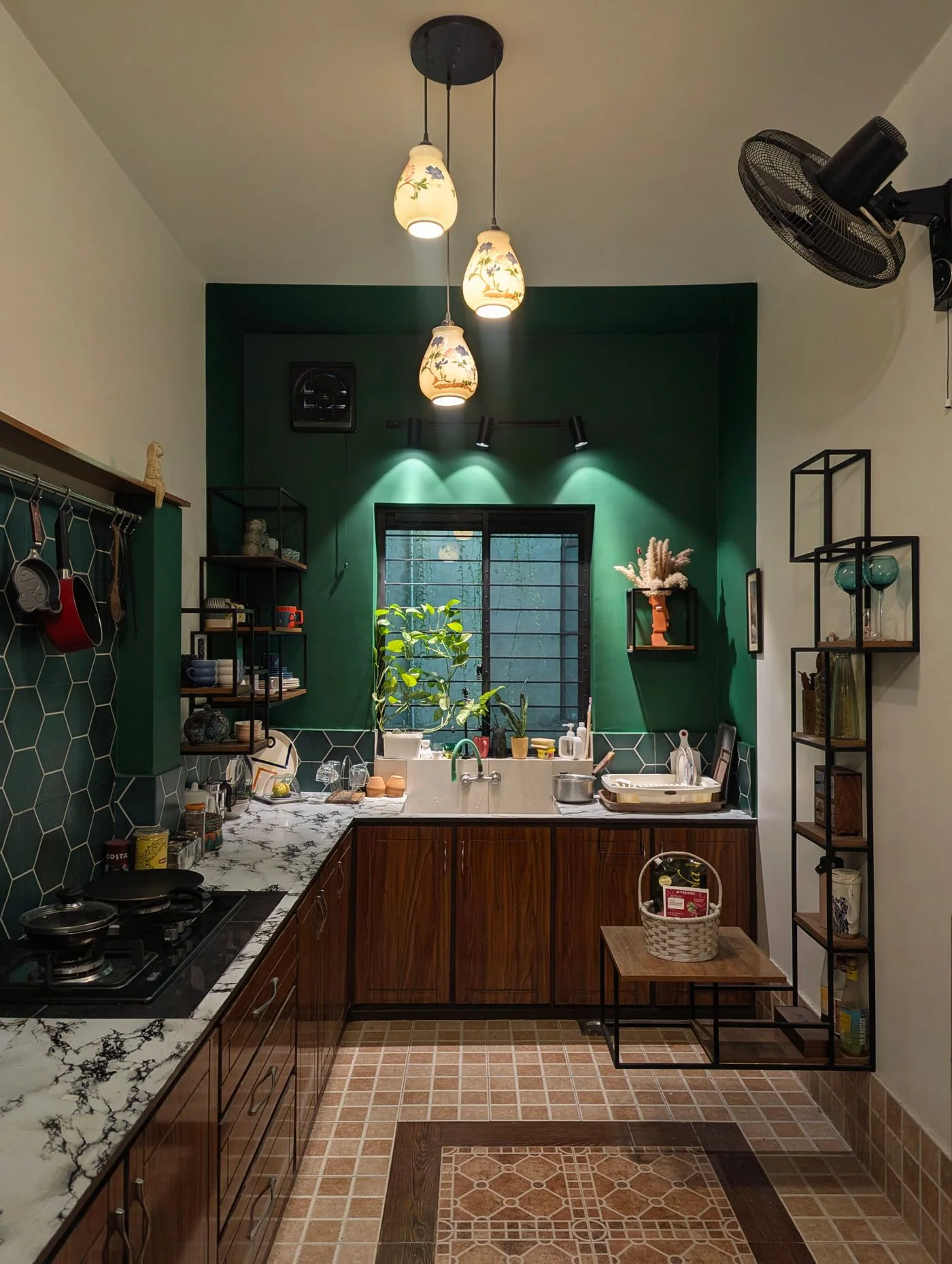
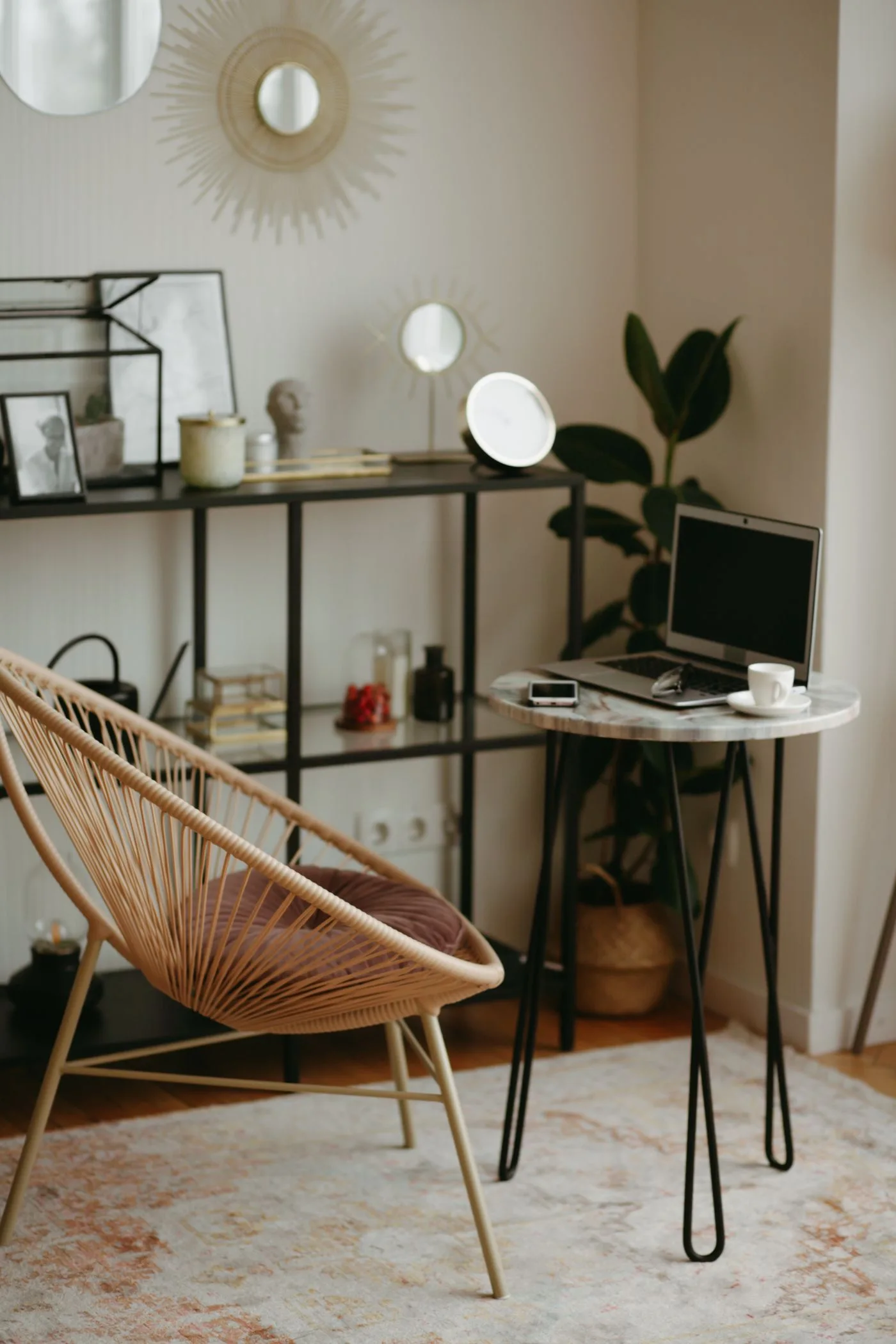
Licensed editorial lifestyle photography. Images illustrate the setting; pictured items are not product endorsements.
Place cards can be useful at a home meal when there is a reason to communicate where people will sit. They can connect a guest with a prepared place, support an agreed seating arrangement or simply make the welcome feel personal. Start with that purpose before choosing the lettering or decoration. A small card should clarify the table rather than add a puzzle to it.
Agree on the seats first
Confirm the expected guests and the places available at the actual table. If particular seating needs have been discussed, incorporate the real arrangement without displaying private reasons on the card. Check with the people concerned where necessary rather than assigning preferences based on assumptions. A card is the visible result of the plan, not a substitute for the conversation behind it.
Write the names in the form the guests use. If two people have the same first name, choose a respectful way to distinguish them that they can recognise. Check spelling before making a decorative version. A simple accurate card is more welcoming than an elaborate one that leaves someone unsure whether a place is intended for them.
Test the cards in the actual setting
Put the cards at the table with the plates, glasses and serving arrangement you intend to use. Look at them from the guest's arrival direction. They should be readable without someone leaning across a crowded setting. Keep the cards and any decorative materials away from food-contact areas, flames or other unsuitable positions, using the objects according to their actual requirements.
Check that a card does not occupy the space needed for the meal itself. If shared dishes will move around the table, a large decorative holder may become an obstacle. A modest card can be easier to move or set aside once everyone is seated. Consider what happens after the welcome rather than judging only the table before anyone uses it.
Keep changes easy to make
Leave room for an ordinary last-minute adjustment. If attendance changes, update the seating plan and the relevant cards together. Avoid leaving a name in an unavailable place simply because the decorative version is already finished. A plain replacement is fine when it keeps the practical arrangement clear.
When guests arrive, offer the same warm guidance you would give without cards. Someone may not immediately see their name, and the table should not feel like a test of finding it. After the meal, keep only the reusable materials or meaningful keepsakes you actually want. The useful part of a place card is that it connects a real person with a considered place, allowing the decoration to support the welcome rather than take over the table.
Related reading
A Simple Table Setting for Friends Coming Over, Prepare the Dinner Table Before the Actual Arrival.