Choose Table Linen for the Actual Meal Role
Choose table linen for the actual meal and furniture, checking usable dimensions and care before adding another decorative layer.
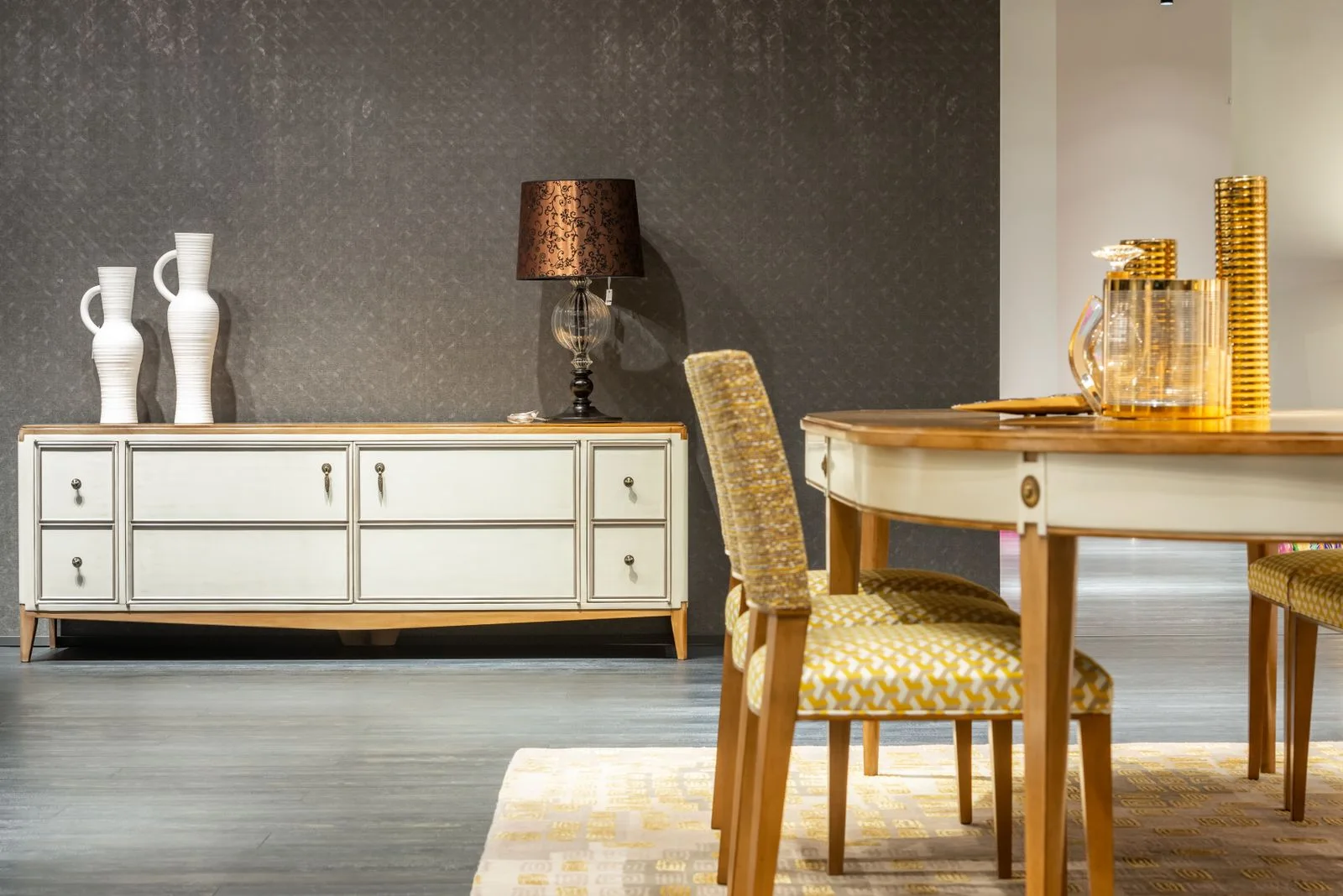
Licensed editorial lifestyle photography. Images illustrate the setting; pictured items are not product endorsements.
Table linen can support a meal through its size, care needs and the way it works with the table. Choose its role before deciding on another colour or decorative layer. You may need a suitable cloth, napkins or another appropriate item, but the collection does not have to appear at every meal together. Start with the table and people actually involved. A clear practical choice can make existing crockery feel considered without turning the dining area into a permanent display that must be dismantled whenever food arrives.
Identify the item the meal needs
Decide what the linen is intended to do and check that the specific product suits that purpose. Do not infer protective or performance properties from appearance. Read the maker's guidance and the furniture's care information, using appropriate additional protection where required. A decorative layer should not be treated as a substitute for instructions about hot equipment or unsuitable surfaces. The useful choice begins with an understood role, leaving colour and pattern as personal preferences within the group of items appropriate to the actual task.
Measure the table in ordinary use
Confirm the relevant dimensions using a suitable method and account for the table's shape and any extension used for the meal. Check the linen with chairs in their normal positions rather than judging the empty room alone. Keep access comfortable for the household and guests. Avoid assuming a size name establishes the right fit for every table described similarly. If shopping, verify the actual measurements and applicable terms directly with the retailer before deciding that a cloth or other piece will suit the furniture you own.
Include crockery and serving space
Try the existing plates, glasses and suitable serving equipment with the proposed linen where appropriately possible. The table needs room for the meal as well as the setting. Keep decorations stable and avoid adding layers that make the practical group crowded or difficult to use. A smaller arrangement may feel more welcoming than a complete matching set. Compare the actual pieces together so the preference reflects their real appearance in the room, not separate product images collected at different times under different lighting.
Keep care part of the decision
Read the linen's instructions and choose something the household can appropriately maintain. Similar-looking textiles may need different treatment. Account for how ready items return to storage after a meal and keep them distinct from those waiting for care. Avoid buying another piece simply to conceal an unresolved maintenance task in the current collection. A useful addition has a role and a manageable routine. It should support the table's ordinary use rather than create a special project every time the meal ends.
After a few meals, notice which pieces were actually helpful and which remained unused. Keep the relevant group accessible and store alternatives appropriately for their role. There is no requirement to use every item because it belongs to the same range. The table linen succeeds when it suits the meal, furniture and care routine, with colour chosen because you enjoy it in that context. That gives a modest textile choice a clear place in everyday dining instead of making it another collection waiting for an ideal occasion.
Continue planning with A Simple Table Setting for Friends Coming Over, A Small Dining Space with Room for a Proper Welcome.