Choose Sofa Cushions for the Seat’s Real Purpose
Choose Sofa Cushions for the Seat’s Real Purpose. Concrete choices for retained rooms, useful belongings and ordinary time at home.
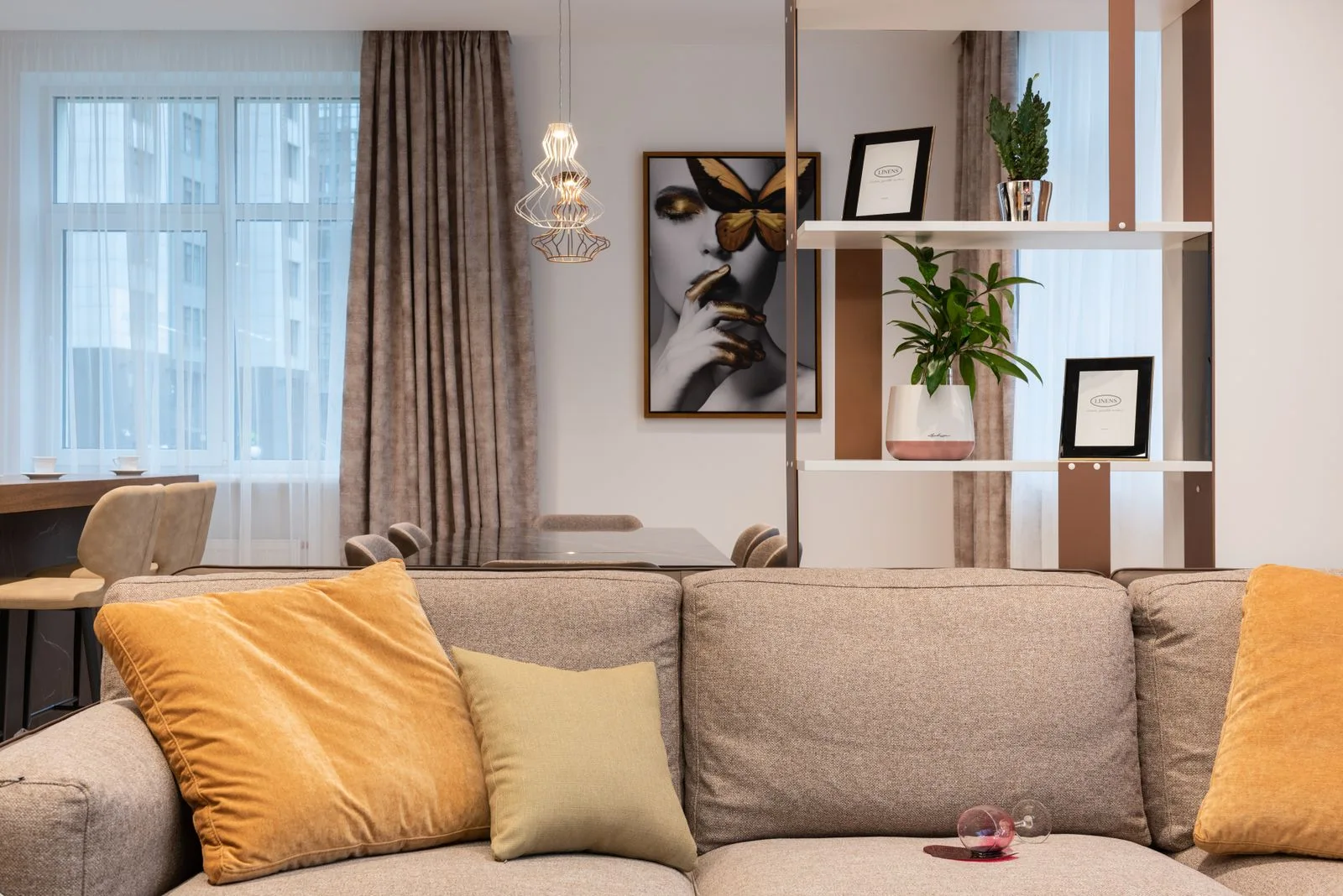
Licensed editorial lifestyle photography. Images illustrate the setting; pictured items are not product endorsements.
Begin with the occupied seat
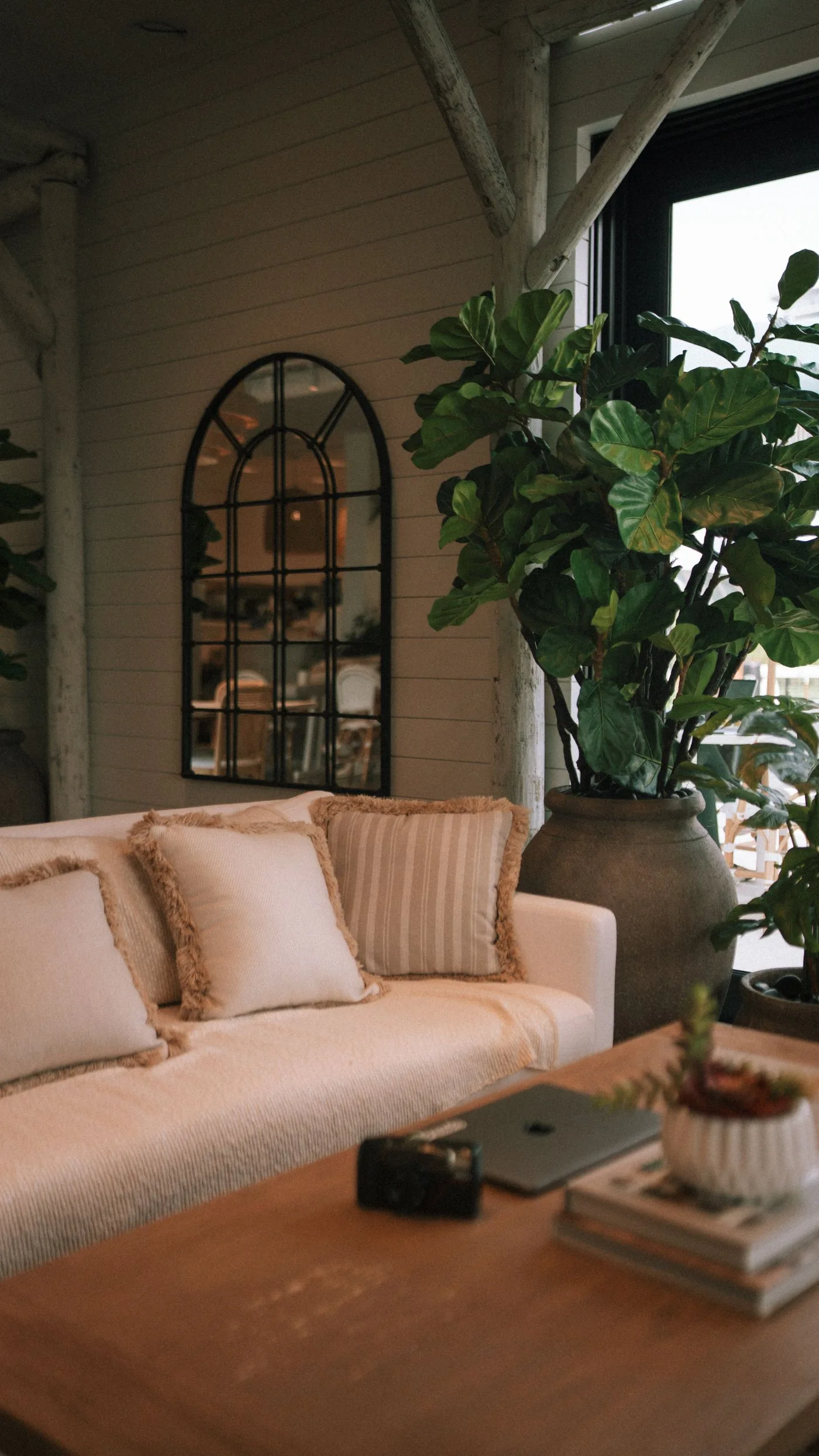
Sofa cushions should be considered through the seat's real activity rather than a symmetrical display alone. For example, distinguish the suitable group retained during an ordinary reading session from optional display pieces that move elsewhere. That concrete scene gives the cushion decision a clearer purpose than filling every visible corner. Begin with the actual person, retained sofa and suitable intended use. Notice which appropriate cushions contribute to ordinary sitting and which need another destination before the seat is available.
This is an interior planning exercise, not a prescription for posture or individual support needs. Seek suitable guidance where a particular physical requirement needs it. The sofa photograph cannot establish comfort for every user.
Give each cushion a clear role
Decide which pieces provide a useful personal arrangement and which remain an optional decorative preference. A cushion can contribute to both, but do not assume every displayed object needs to remain in the seat while it is occupied. Keep actual product requirements and condition central.
Our cushion combination guide considers the visual group. The occupied-seat question adds another responsibility: whether the chosen arrangement leaves the actual activity understandable and suitable.
Compare the relevant seats separately
Look at the ordinary appropriate seating positions and notice how the sofa's shape changes the cushion relationship. A corner and an end seat may not need identical arrangements. Keep the decision specific rather than assigning a universal cushion count to every sofa.
If the arrangement remains unsuitable, consider the actual furniture and person's needs. Adding another decorative object should not be treated as a guaranteed answer to every seating mismatch.
Choose where removed pieces go
Give optional cushions an appropriate destination that does not occupy another needed seat or room task. Select the arrangement through the actual textiles and furniture information. A basket may serve some groups where suitable, but it should follow the real objects rather than be purchased automatically.
The ordinary living-room layout guide keeps activities central. The cushion return belongs within that occupied room instead of transferring the original problem to another chair.
Keep care stages distinct from display
Return only pieces ready through their actual requirements and keep anything needing attention identified. A neat stack should not imply that textile care or a product question has been resolved. Explain the relevant stage where another adult shares the room's ordinary return task.
What if different users prefer different arrangements? Make suitable adjustments understandable without treating one preference as a universal rule. What if fewer cushions serve the real activity better? Keep that modest result. A considered sofa-cushion group lets appearance follow useful sitting rather than displacing it.
Record actual component identities where covers and inserts have specific pairings. Similar dimensions or colours should not make another product's requirements interchangeable, particularly when care separates several pieces from their usual positions.