Keep Shared Food Containers Associated with Their Owners
Keep shared food containers linked to their owners with a small identification and return record, separating ownership from the contents and current use.
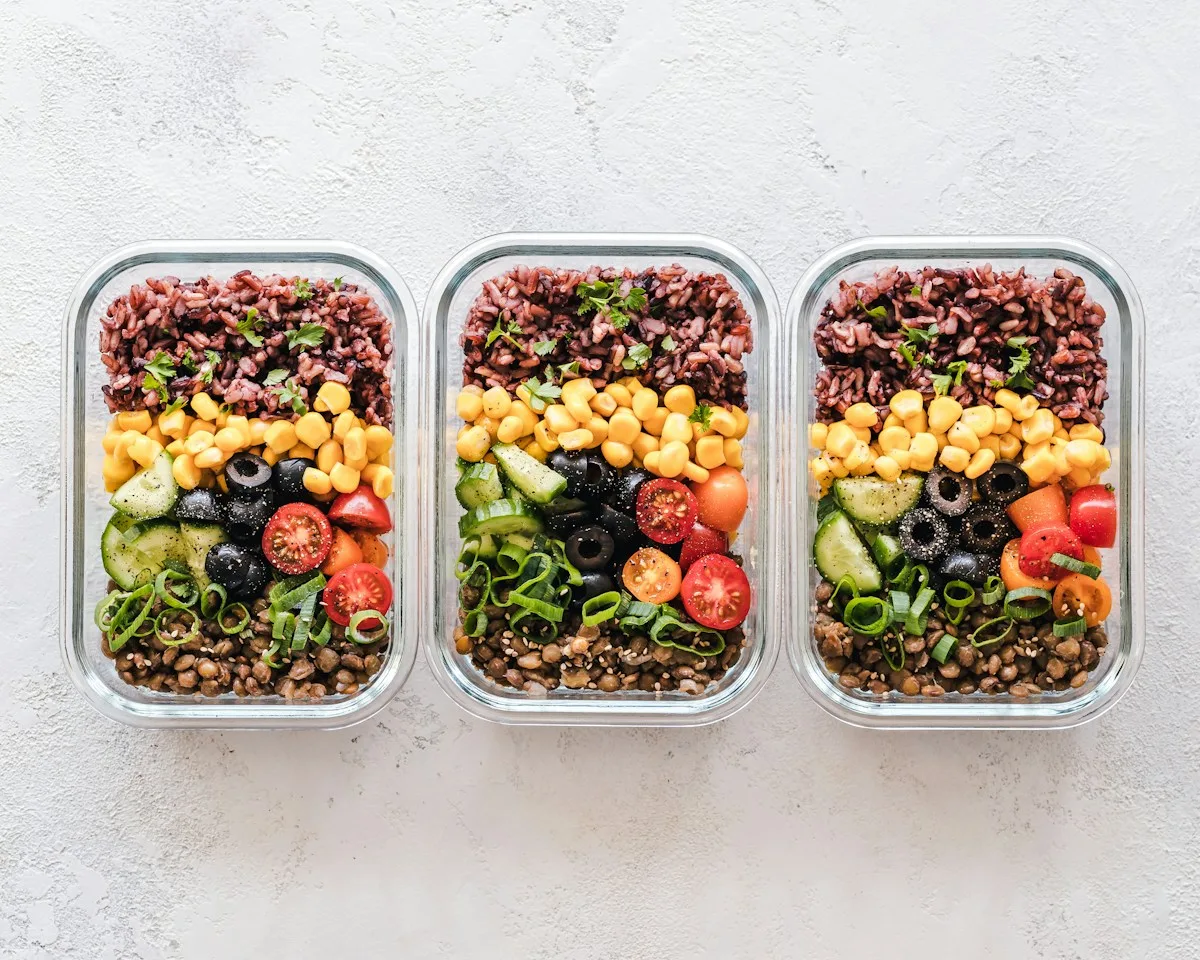
Licensed editorial lifestyle photography. Images illustrate the setting; pictured items are not product endorsements.
Food containers travel easily between households, shared meals and packed lunches. Their lids and bases can look so similar that ownership becomes unclear after the contents are gone. A modest identification and return system can help the containers find their way back without turning a casual exchange into an inventory project. Begin with the container itself, keeping ownership separate from any information about the food inside.
Identify the owner while you know
At the handover, note whose container it is and whether a return has been requested. If it is being given permanently, make that clear rather than assuming every container is a loan. A description such as clear rectangular box with a blue lid may distinguish it well enough within your current group. If several look alike, agree on an appropriate identification method with the owner.
Keep any label suitable for the particular container and its intended use, following the item's own information. Do not improvise a marking method that could interfere with closures or care. A separate return note can carry the ownership information if attaching a label is unsuitable. The system should preserve clarity without changing how the container is meant to function.
Keep matching parts together
When the container is empty, keep its correct lid associated with its base through the normal care process. Similar-looking pieces are not necessarily interchangeable. If you are uncertain, compare identifying details or ask the owner rather than forcing a fit. The return group should contain the parts actually received, not just the nearest available replacements.
Treat information about contents as a separate matter. An ownership note does not establish ingredients, preparation details or suitability for a particular person. Keep any necessary food information from the actual source and resolve unanswered questions through appropriate guidance. This article's return system is about objects and responsibility, rather than making assumptions about what is inside them.
Connect the return with a real occasion
Once the container is ready to go back through the agreed process, name the next opportunity. It might be the next shared meal or a planned visit. Put the return action where you prepare for that occasion, while keeping the container in a suitable, recognisable place. A box left in an unlabeled pile by the door can lose its identity all over again.
Mark the loan complete when the owner has the container and its parts back. If something is missing or damaged, communicate that plainly instead of quietly substituting another item. A simple description, an agreed owner and a specific return opportunity are usually enough. The useful outcome is that shared meals can remain relaxed while the reusable objects involved have a clear path home.
Related reading
Give Shared-Meal Serving Pieces Clear Returns, Organise One Cupboard at a Time and Keep It Useful.