Agree Which Art Materials Are Shared before Starting
Agree which art materials are shared before an activity, clarifying personal supplies, permitted uses and the return arrangement without interrupting creative choices.
Artem Podrez
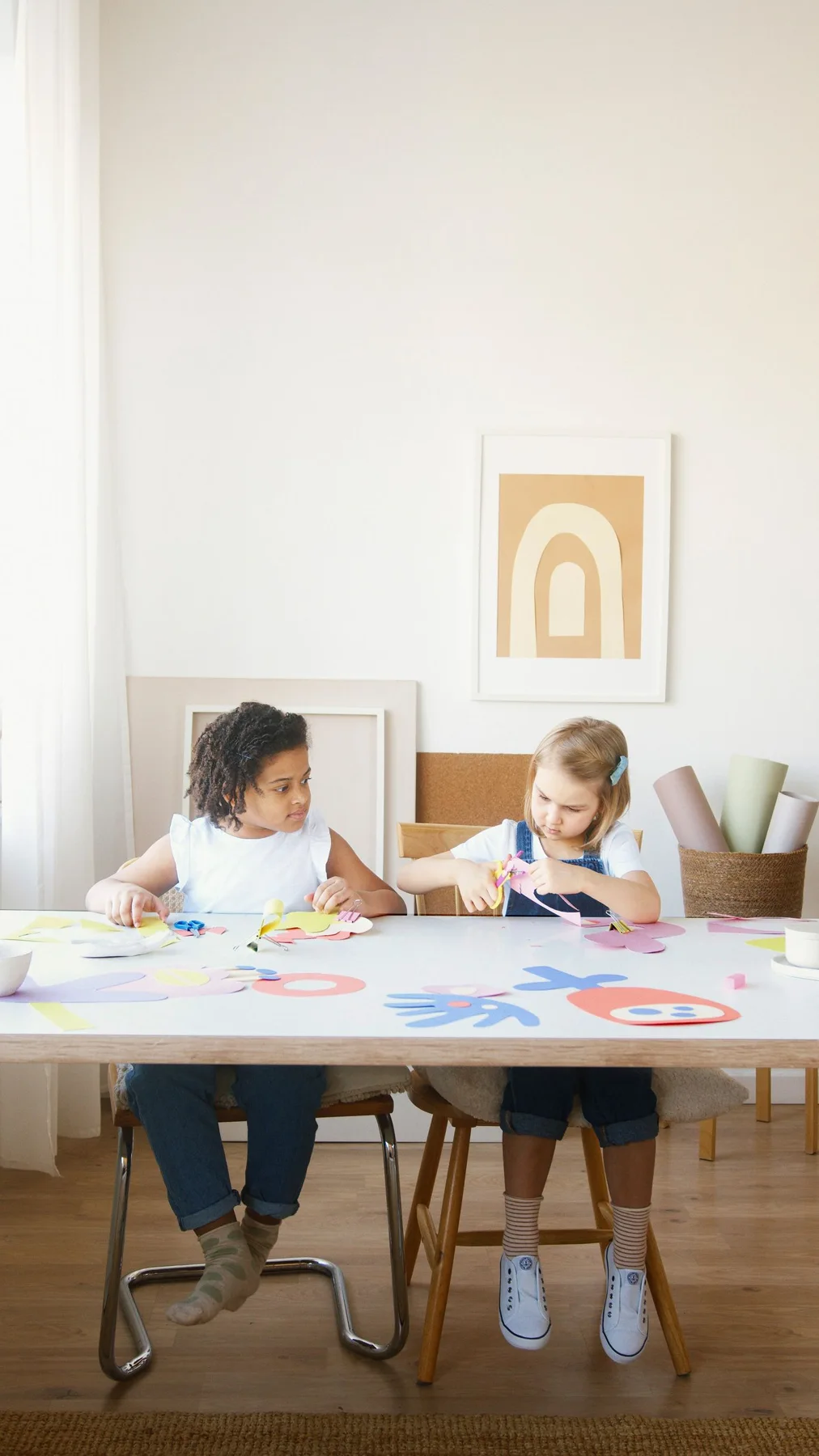
A shared art table may contain household supplies, a child's special pens and materials borrowed for a single activity. If everything is presented as one pile, disagreements can begin after someone has already used an item. Establish the boundaries before starting. A clear agreement gives people room to make their own work without making ownership and availability something they must discover by accident.
Ask the owners first
Identify which supplies belong to whom and ask before offering them to the group. Something kept in a common drawer is not automatically communal. A person may be happy to share ordinary paper while keeping a particular sketchbook or tool for their own project. Accept that distinction without requiring a defence of why the item matters.
Where children are involved, explain the difference in language they can use. Support the owner in setting an appropriate boundary rather than promising their possessions away for the sake of an easy start. Follow relevant product instructions, age suitability and supervision requirements for every material offered.
Describe permitted use concretely
Explain any limits that affect the activity, such as which surface an item is intended for or whether a tool needs adult help. Check the actual label and instructions rather than assuming all products in a similar package behave alike. Keep unsuitable materials out of the activity instead of relying on a long warning to make them appropriate.
The artwork-display guide treats children's participation as a real contribution. That participation begins before the finished picture exists. Offer choices among materials that can genuinely be used, and avoid presenting an attractive item as available only to withdraw it after someone has planned their work around it.
Make replacement expectations visible
Some supplies are consumed, while others should return in usable condition. Agree what that means for the actual activity. Do not silently expect a guest to replace every used sheet or a child to restore a material whose ordinary use changes it. Discuss any meaningful cost or special limit with the appropriate person before the item is used.
If a material runs out, pause and choose among the remaining suitable options. Another person's private supplies should not become the automatic replacement. A smaller project or a different medium can be a reasonable answer. Explain the new choice without blaming the person whose original plan used more than expected.
Finish the shared part together
Agree who returns tools, checks caps or puts remaining supplies away, with tasks appropriate to the participants. Keep finished and unfinished work separate from rubbish so that nobody's project disappears during clearing up. Ask before moving another person's piece, even if its place on the table seems temporary.
The shared-task finish guide helps define what completion means to the people involved. Use that idea for the art table: the activity ends when shared materials are returned as agreed and each person knows where their work belongs. Creativity can stay open-ended while the practical responsibilities remain clear.