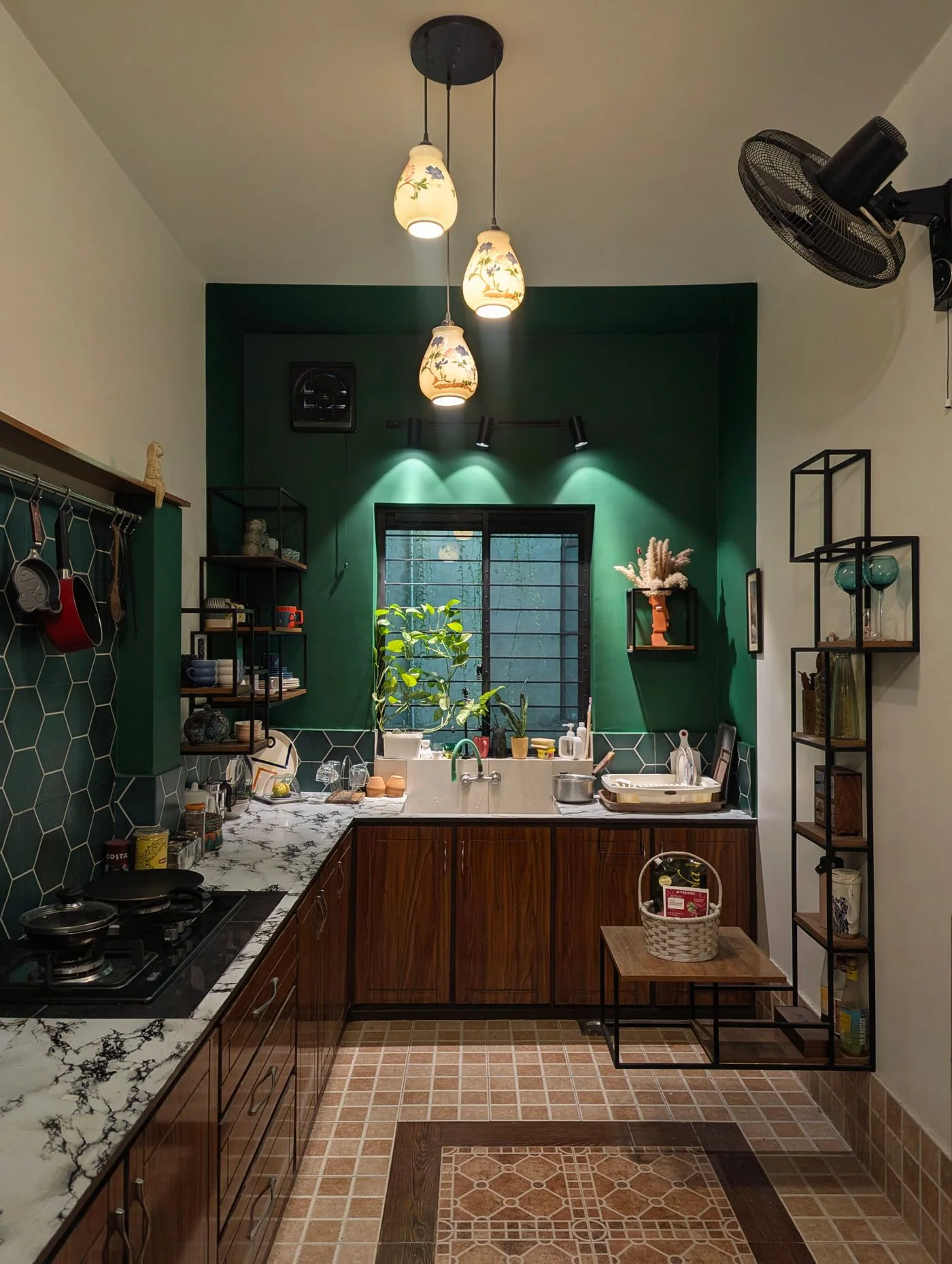
Compare a Family Recipe with the Equipment Actually Available
Compare a family recipe with the equipment in the kitchen before starting, preserving its meaning without guessing at substitutions that change the method.
Stock photographer
A recipe passed between households often assumes the equipment of the original kitchen. Its writer knows which dish means the large one and which mixer setting they normally use. Another cook may have neither. Read for those assumptions before preparing ingredients, and distinguish an equipment question from a change to the recipe itself. A familiar family name does not supply the missing technical information.
Identify the tools the method depends on
Read the full recipe and note the equipment it actually names. Separate serving pieces from items that affect preparation or cooking. Check whether a vague description refers to a particular size, material or function. Ask the source for the missing detail where possible instead of replacing uncertainty with a confident guess.
Look at the equipment's own instructions and condition. Something that resembles the original tool may have different permitted uses or limits. Follow the relevant manufacturer and authoritative food-safety guidance for the task. Do not improvise a use merely because a photograph makes two items look similar.
Compare the actual kitchen
Check what is genuinely available, including whether a shared item is already in use. A recipe planned for a family afternoon can become difficult when it relies on the only suitable dish needed for another meal. Agree priorities before beginning rather than asking someone to surrender their equipment halfway through a task.
The kitchen-zone article can help connect the recipe with the way the room is used. Clear space for the actual process without moving someone else's belongings into an unexplained pile. If children are taking part, give them tasks and supervision appropriate to their needs and the particular activity.
Keep adaptations visible
When an appropriate, supported alternative is available, record it separately from the original wording. Explain what changed and which result it was intended to produce. Do not quietly rewrite the family version and then send it on as though the instructions came from its original author. A clear adaptation is more useful than a falsely certain copy.
Some substitutions change quantities, timing or preparation in ways that require a properly developed recipe. Find suitable authoritative instructions for the equipment rather than treating a different container or appliance as a cosmetic detail. It may be more practical to choose another recipe than to force this one into the tools at hand.
Return useful information to the source
If the family recipe was unclear, ask a specific question while the missing detail is still identifiable. Name the step and the equipment description rather than saying the whole method did not work. Keep your own experience separate from a claim that the recipe will behave identically in every kitchen.
The project-research notes guide offers a useful distinction between confirmed decisions and information still being explored. Keep the clarified original with its source and put household adaptations beside it. The next reader should be able to tell which equipment the instructions assume and where a genuinely different method begins.