Give a Planner’s Home Task a Clear Ending
Give a Planner’s Home Task a Clear Ending. Concrete choices for retained rooms, useful belongings and ordinary time at home.
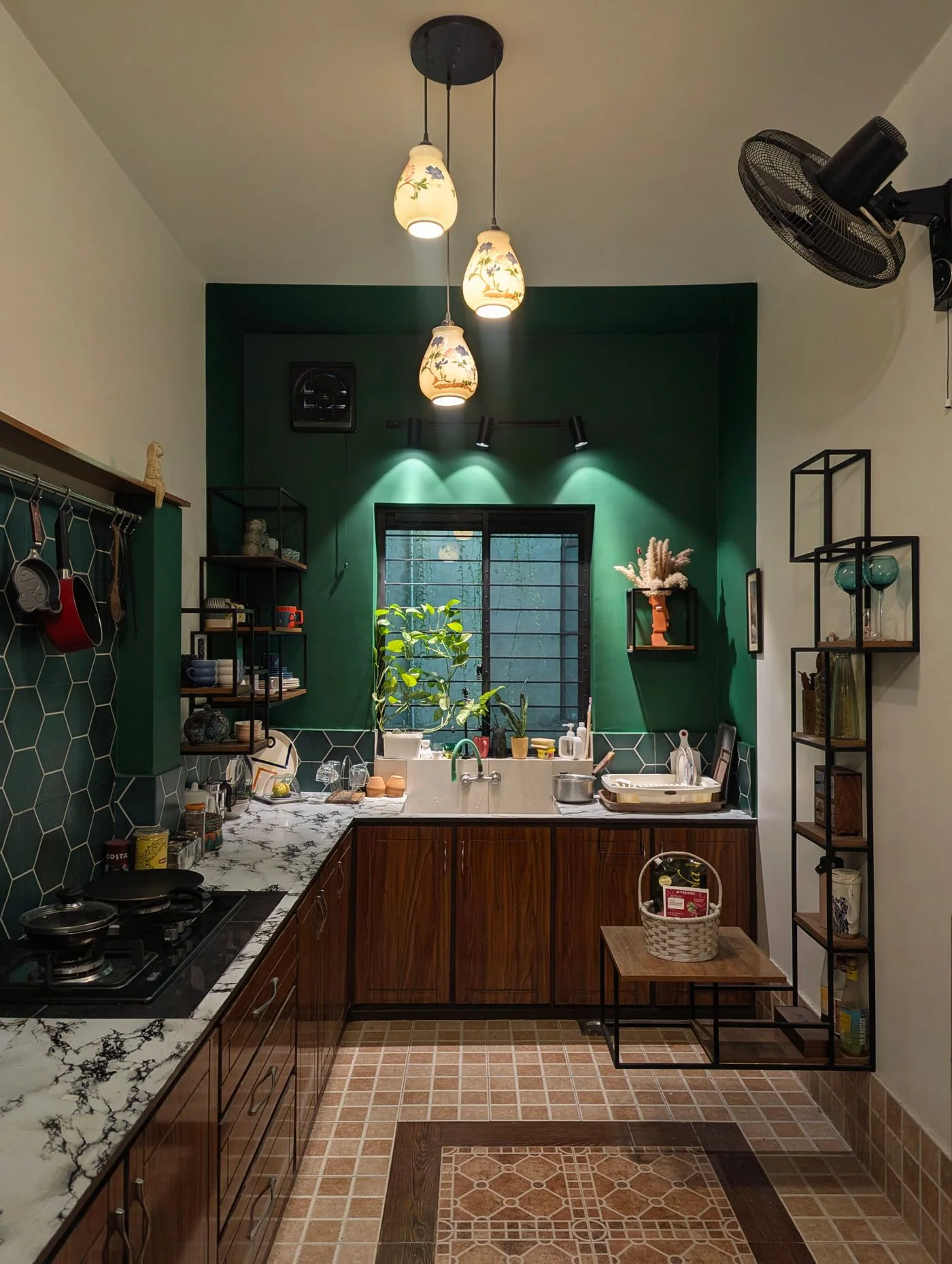
Licensed editorial lifestyle photography. Images illustrate the setting; pictured items are not product endorsements.
Choose one actual home task
A planner can support a household task when its note describes a real question and a clear ending. Begin with one activity rather than a complete idealised programme for the home. Identify what needs deciding or doing and keep the person's circumstances central.
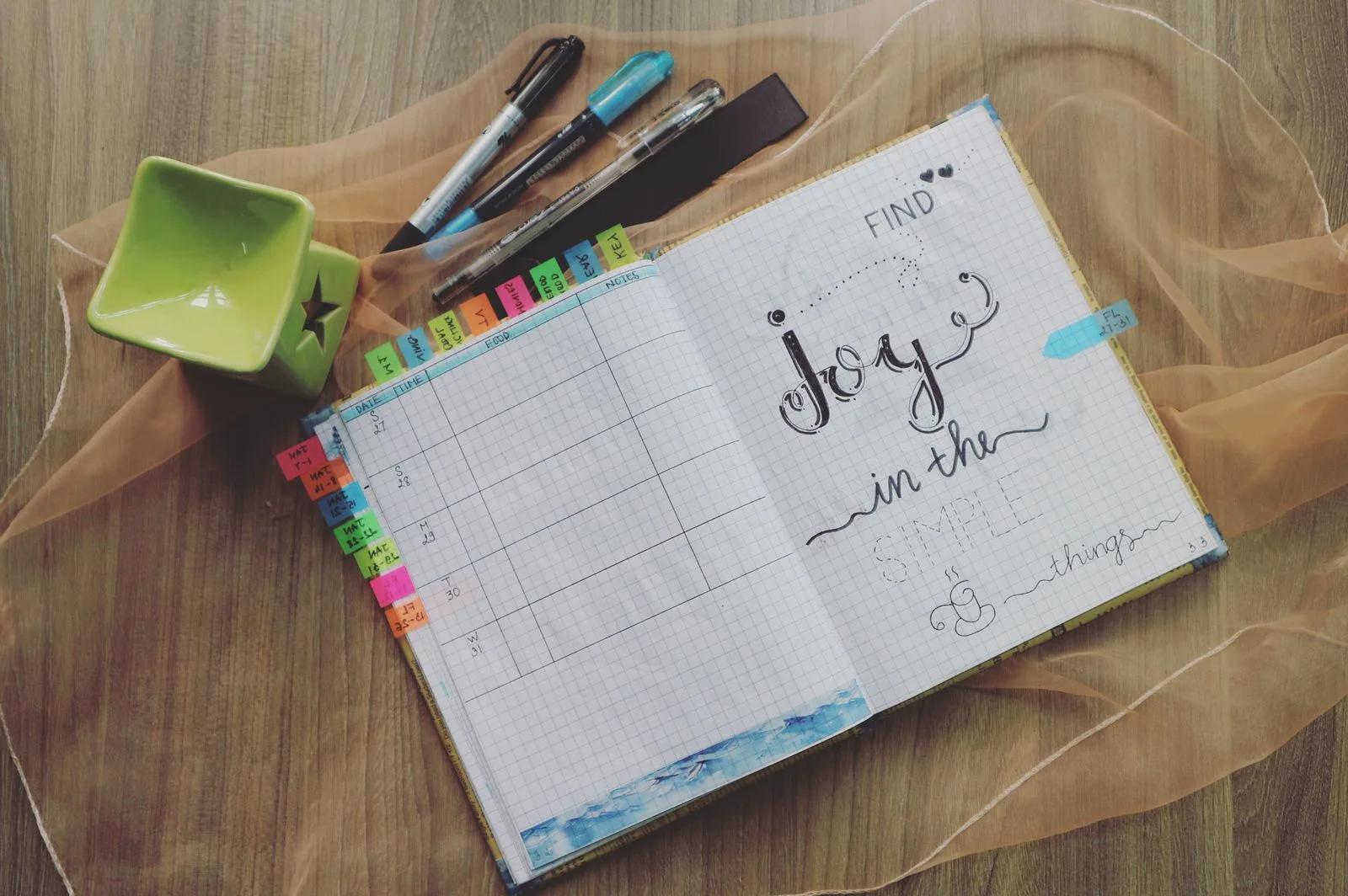
The open-planner photograph illustrates ordinary planning, not a claim of measured productivity or wellbeing improvement. The purpose is to make one task legible without creating another routine that everyone is expected to follow.
Separate the plan from completed work
Writing a task neatly does not establish that it has happened. Keep the current stage accurate and distinguish an intention from an actual agreement or result. If the task depends on product guidance or another person's decision, record that dependency rather than assuming permission from the note's visibility.
Our one-corner trial guide keeps a home project bounded. A planner note can use the same modest scale by naming the specific next action instead of expanding into an entire room scheme.
Choose the evidence the task needs
Identify the appropriate information or action that would resolve the question. It may involve checking actual product requirements, comparing retained objects or asking the responsible person. Keep the method matched to the real task rather than collecting unrelated inspiration because the page has more space.
Where a practical question requires suitable expertise, seek it. A planner is a place to preserve the unresolved stage, not a substitute for technical, product or other appropriate guidance.
Make a shared responsibility explicit
If another adult is involved, agree the relevant task and next step. A note left on a shared surface should not silently assign work or imply that another person has authorised it. Keep private details handled proportionately and preserve the real agreement clearly.
The bounded weekend reset guide keeps ordinary tasks proportionate. A useful planner entry should reduce confusion rather than generate an expanding set of instructions for an otherwise modest activity.
Close or revise the entry deliberately
When the actual task ends, record the real outcome and retain only the information still needed. If the plan changes, revise the reminder rather than carrying an obsolete intention into every future week. A clear ending can include deciding not to proceed when that is the appropriate result.
What if the note remains too broad? Reduce it to one answerable question. What if a product issue is still unresolved? Keep that precise stage visible instead of marking the whole project complete. A considered planner entry connects one home task to an honest next step and ending.
Remove obsolete candidate lists and drafts after the decision where they have no continuing role. The current reference should remain distinguishable from an earlier possibility that was never chosen or carried out.