Use a Notebook for One Home Project Question
Give one real home-project question an accurate source, suitable next action and clear ending.

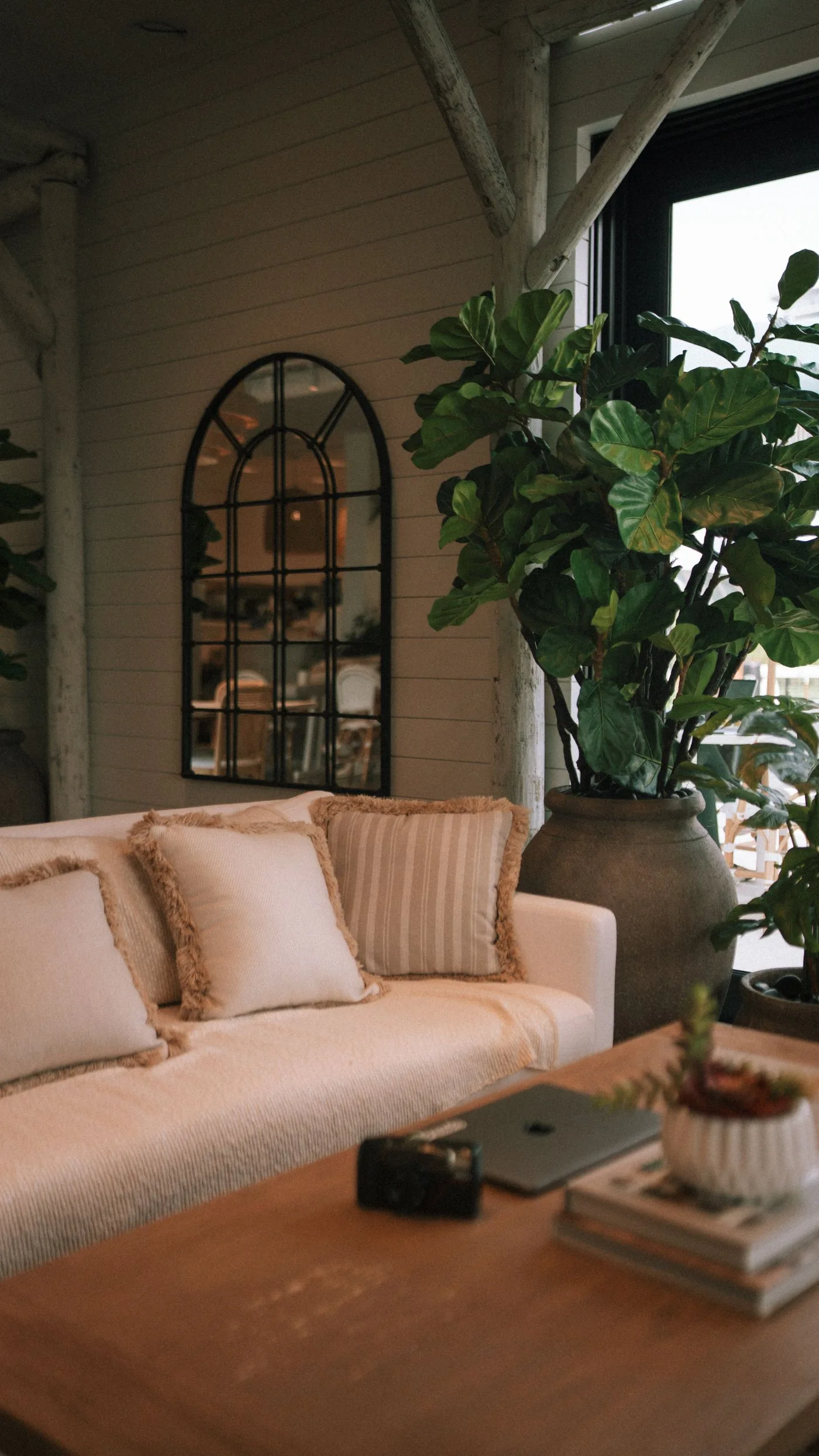
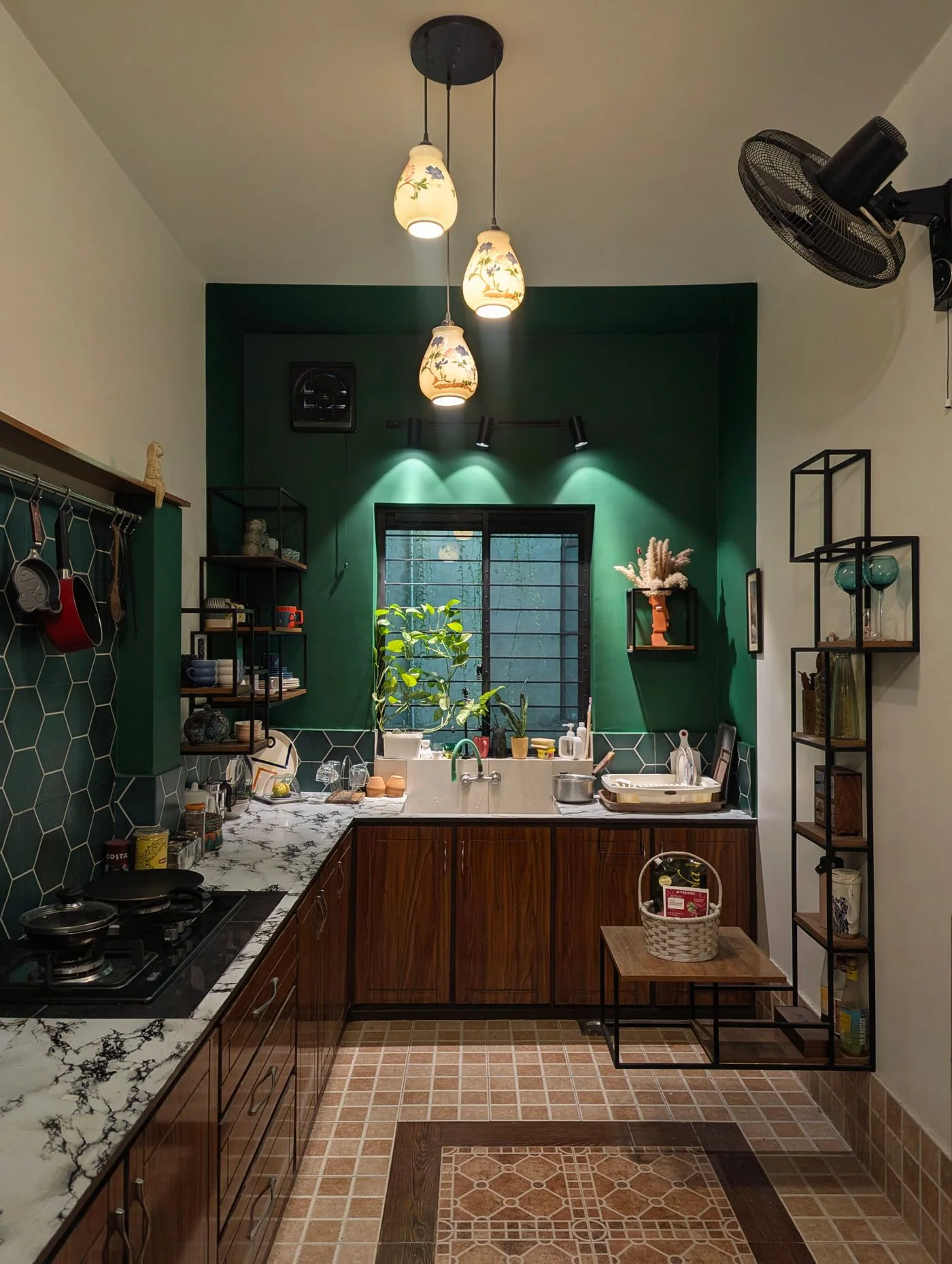
Licensed editorial lifestyle photography. Images illustrate the setting; pictured items are not product endorsements.
Begin with one real question
A home-project notebook is useful when it preserves a specific decision rather than an unlimited collection of inspiration. Begin with one actual question about the retained room. Name the objects and activity involved, and identify what remains uncertain before describing a proposed purchase or change.
For example, a question about whether a retained surface can serve a real task is more concrete than a wish to make the whole room feel finished. Keep the person's circumstances central and avoid expanding the project simply because the page offers more space.
Keep known details separate
Record the actual information already checked and distinguish it from personal impressions. Product identity, usable measurements and relevant requirements should have clear sources where they matter. A note that something looks suitable does not establish compatibility or permission for a particular alteration.
The photograph illustrates ordinary writing at a home desk, not a claim that a particular notebook method produces a measured wellbeing outcome. The modest purpose is to keep the real question legible while appropriate information determines the answer.
Choose the next action the question needs
Identify the specific step that would help resolve the uncertainty. It may involve checking actual product guidance, comparing a suitable sample beside retained materials or asking the responsible person. Seek appropriate expertise where the real project requires it instead of treating a household note as technical authority.
Keep the action connected to the original question. Collecting additional room photographs may be enjoyable, but it is not necessarily the evidence needed for a material, fixing or product-suitability decision.
Make a shared responsibility explicit
Where another adult is involved, agree the relevant next step rather than assuming a visible notebook assigns work or establishes permission. Preserve the actual agreement clearly and keep private details handled proportionately. A short accurate entry can be more useful than a detailed programme nobody has discussed.
If the task depends on another product or decision, record that dependency as unresolved. A neat page should not make the project appear further advanced than the actual evidence and responsibilities support.
Close the decision honestly
When the question is answered, record the specific outcome and keep only information with a real continuing role. A decision not to proceed can be a complete useful result. Remove obsolete candidate lists so an earlier possibility does not remain an assumed shopping requirement.
What if the question remains too broad? Reduce it to one answerable detail. What if new information changes the intended project? Revise the note rather than defending the first idea. A considered home-project entry connects retained objects, appropriate evidence and an honest next step without turning one modest room question into a whole-house plan.
Keep the checked product reference with any later action. Broad descriptions such as the pale shelf may become ambiguous when several similar objects or versions enter the comparison.
Continue planning with Try One Room Corner Before Planning a Whole Weekend Project, Make a Short Room Inventory Before Buying Decoration.