Set a Useful Place with Mixed Cutlery
Set a welcoming table with the cutlery you already own, matching each piece to the food being served and checking that guests can identify the intended setting.
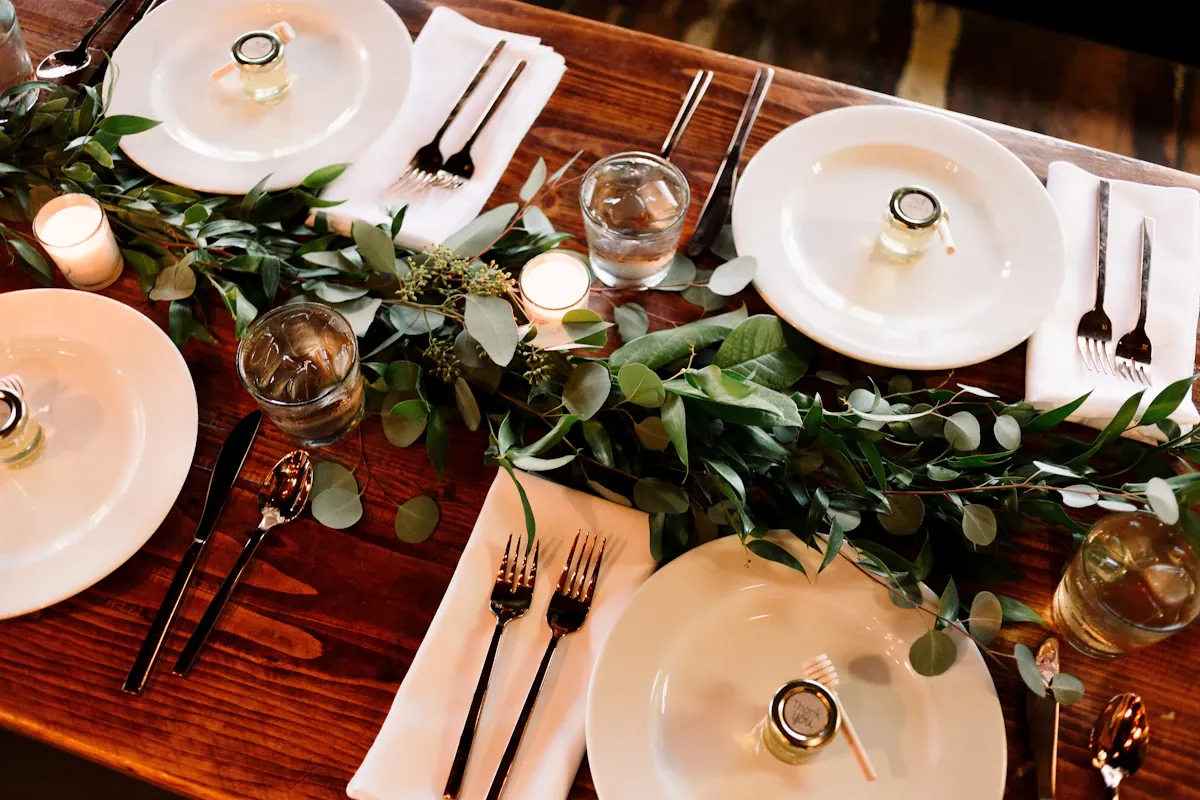
Licensed editorial lifestyle photography. Images illustrate the setting; pictured items are not product endorsements.
A drawer of unmatched cutlery can still supply a considered table. The useful question is whether each guest has the pieces needed for the actual meal. Matching handles may look tidy, but they do not explain which spoon goes with a shared dish or whether a second course needs another fork. Begin with the menu and the available pieces, rather than an imagined complete service.
Count by use rather than by pattern
Write down what will arrive at the table and how it will be served. A shared bowl, a plated main and a separate dessert create different requirements. Identify the pieces needed to eat the meal and those needed to serve it. Keep these groups distinct while planning; a serving spoon that looks generous beside a plate may leave the central dish without a usable utensil.
Lay out one trial place with the actual plate and glass. Add only the cutlery that has a clear job. Then repeat that functional group for the remaining diners. If a piece is missing, change the serving plan or ask about borrowing a suitable item before buying a set whose extra pieces will rarely leave the drawer.
Make the differences deliberate
Choose one repeated visual detail where possible: similar handle colours, a consistent order or the same folded napkin. These small repetitions help a mixed collection feel settled. Avoid pretending that noticeably different pieces are identical. A larger spoon might belong to the serving group, while a smaller one can accompany a drink later.
The simple table setting guide offers a broader starting point. Keep the usable area around each plate clear, particularly when guests will pass dishes. Decorative symmetry should not force a glass into the only place a person can comfortably rest a hand.
Explain unusual arrangements simply
If something about the meal needs an explanation, give it when serving. A brief indication of the shared utensils is kinder than expecting guests to infer a private household system. Ask about practical needs when planning and use suitable pieces for the people attending. The table should support their meal rather than demonstrate a rule about formal settings.
Consider the return plan for serving pieces as well. Borrowed cutlery can be counted and associated with its owner before the evening begins. Keep any ownership note away from food and guests' personal place settings.
Review the missing job after the meal
When clearing up, notice which functional gap actually mattered. Perhaps a second serving utensil would help, while a full matching dinner set would add little. Record the specific need rather than describing the entire drawer as inadequate. If the collection served the meal comfortably, mixed handles alone are not a reason to replace it.