Make Similar Lunch Bags Easy to Tell Apart
Make similar lunch bags easy to identify with a clear household naming method, a consistent return place and a check that the actual owner can recognise it.
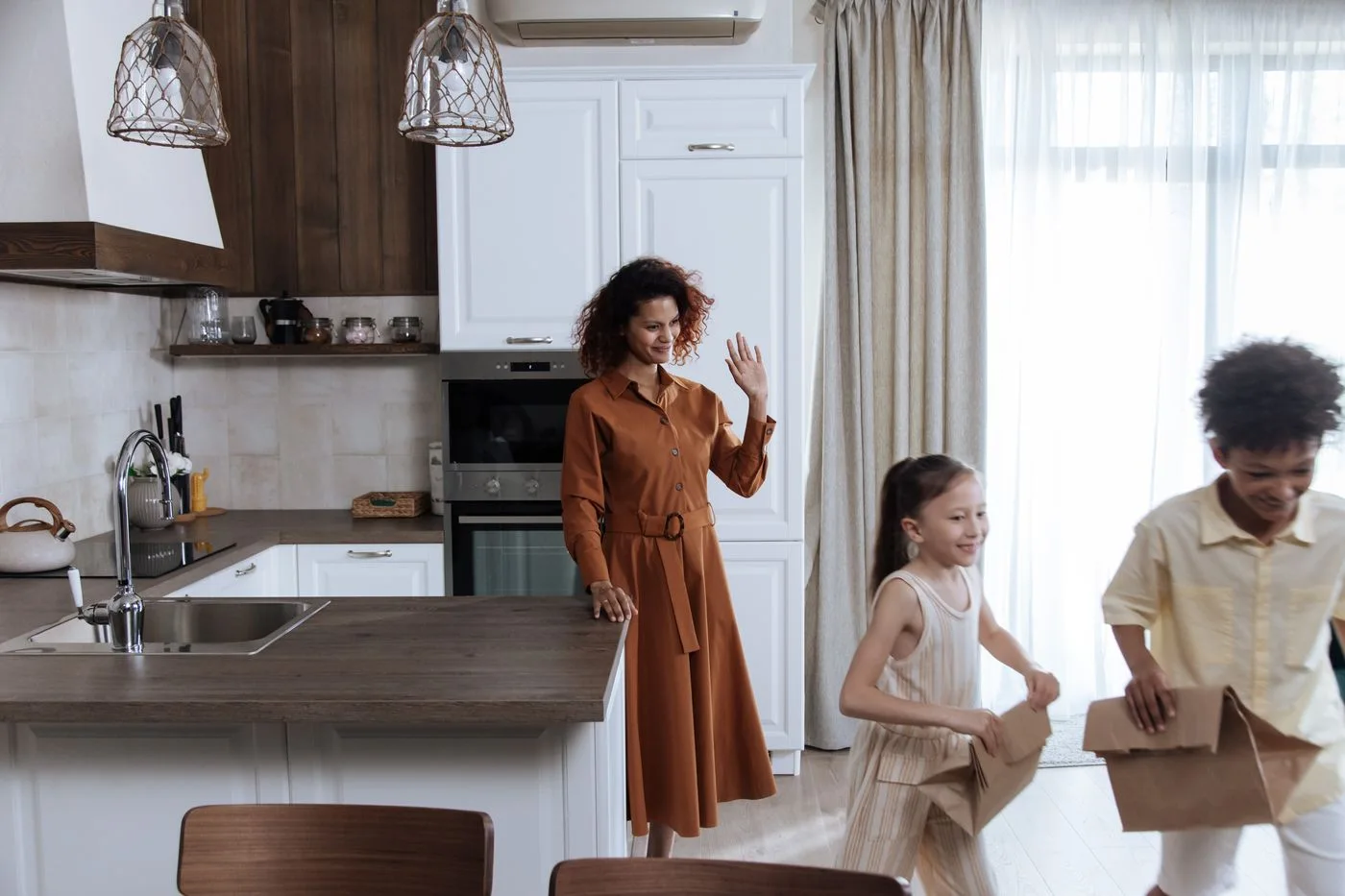
Licensed editorial lifestyle photography. Images illustrate the setting; pictured items are not product endorsements.
Similar lunch bags can cause confusion even when everyone knows which food belongs to them. The problem may be the outer bag, the containers inside or the place where the bag returns at the end of the day. Begin by identifying which part is being mixed up. A small naming method works best when it answers the real question rather than adding labels to everything at once.
Choose an identifier people can use
Ask each person how they currently recognise their bag. Colour may be enough for one group but not another. A name, an agreed symbol or a distinctive existing feature may be more useful. Choose a suitable labelling method for the particular product and follow any relevant instructions, keeping closures and functional parts unobstructed.
Consider where the bag travels before deciding how much personal information to display. Use only what is needed for the intended identification context. A household cue and an institution's required label may serve different purposes. Check any actual requirements with the place concerned instead of assuming that one labelling convention is universal.
Connect the outside with the contents
If containers also look alike, decide whether they need their own ownership identification. Keep that separate from information about what the food contains. A named bag does not establish that every item inside is suitable for a particular person. Relevant dietary and food-handling arrangements should come from the people responsible and appropriate reliable guidance.
Practise the selection with the actual users. Put the bags in the place where they will be collected and ask each person to choose theirs. Their first hesitation can reveal whether the label is visible from the ordinary angle or whether the bags are stored in a way that hides it. Change the position or cue rather than expecting someone to remember a detail they cannot see.
Give the return a predictable place
Agree where a used bag goes when it arrives home and who owns the next action in the household's normal routine. Keep any care requirements connected with the product's information. A bag placed in a different room each evening can remain hard to find even if its label is perfectly clear. Identification and retrieval work together.
Review the arrangement when a bag is replaced or passed to another person. Remove or update an old identifier in an appropriate way so it does not point to the previous owner. The aim is a recognisable bag moving through a clear departure and return sequence. Once that is understood, the system can stay simple enough to use during an ordinary busy morning, without a detailed chart that only works when everyone has extra time.
Related reading
An Entryway That Makes Busy Mornings Easier, Make Breakfast Feel Less Rushed with a Better Kitchen Setup.