Compare a Lampshade From the Seated View
Judge the actual lamp and shade together at the position where the room is used.
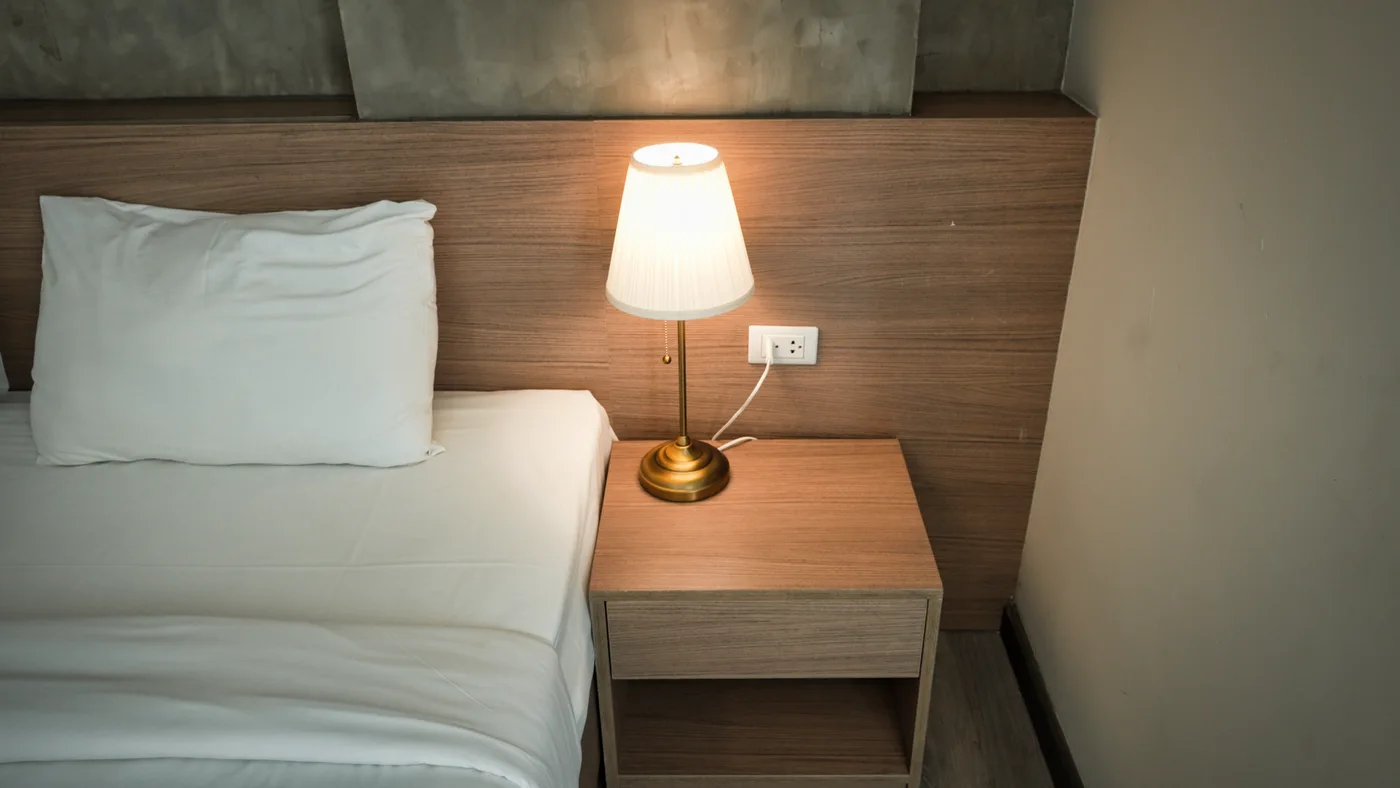
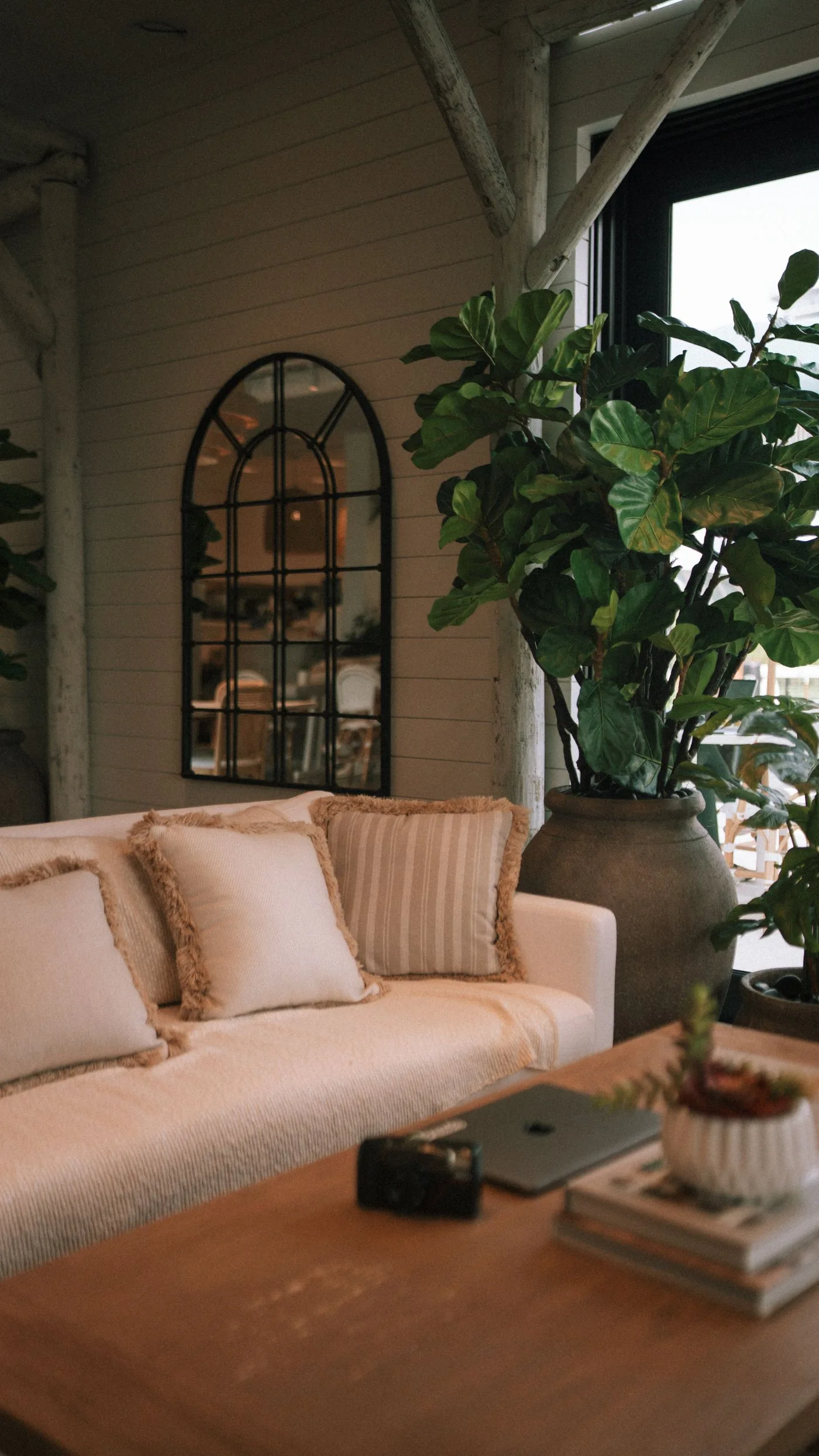
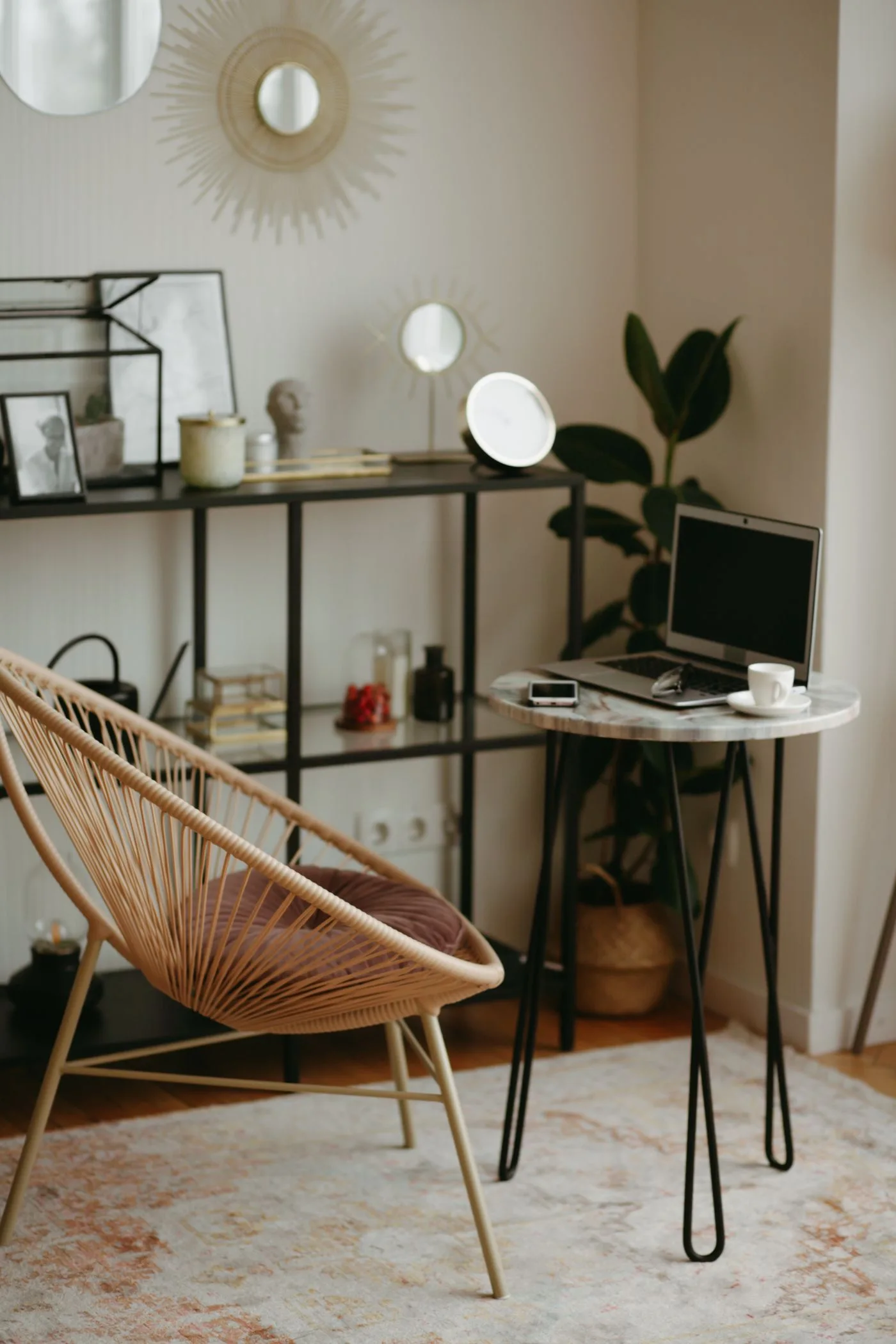
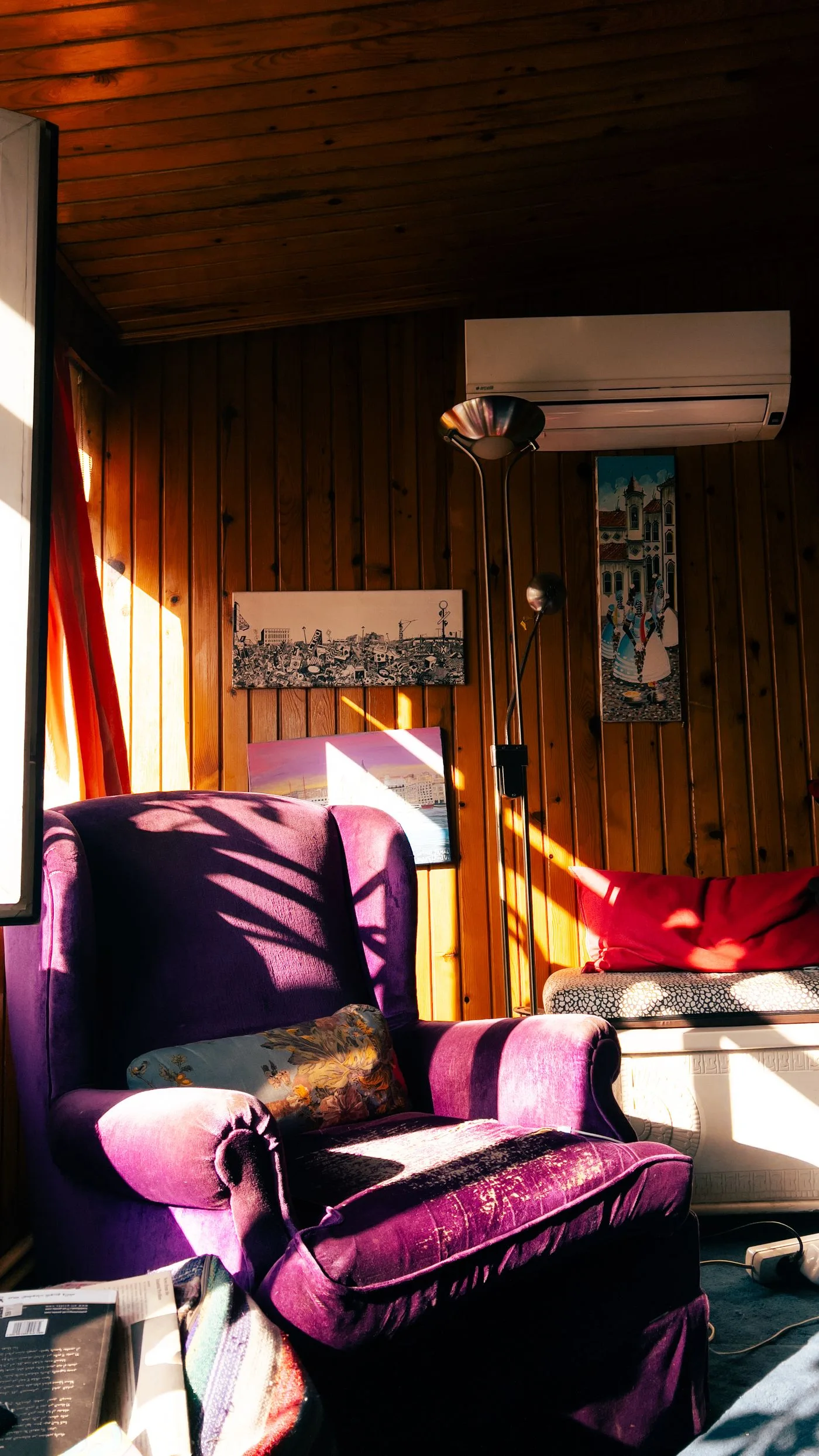
Licensed editorial lifestyle photography. Images illustrate the setting; pictured items are not product endorsements.
Check the actual lamp first
A lampshade can change a room's appearance, but the replacement must suit the actual lamp and its requirements. Record the product information and permitted fitting before comparing shapes. Similar-looking shade attachments do not establish compatibility.
Keep the lamp's light source, dimensions and use instructions available. Resolve unclear compatibility with the manufacturer or appropriate specialist rather than relying on a decorative guide. The visual decision begins after the relevant product requirements are understood.
Sit in the ordinary position
Look at the existing lamp from the seat or bed where it is usually viewed. Notice the shade's relationship with eye level, nearby furniture and the task. A shade that looks balanced from across the room may appear quite different when somebody sits beside it.
Include other people using the room where relevant. One position cannot describe everyone's view. Keep the comparison practical: does the suitable shade support the intended use and provide an appearance the household enjoys from ordinary positions?
Compare complete proportions
Consider the shade's full width and height with the base and surrounding space. Include any permitted adjustment movement and access to controls. Do not judge the shade in isolation from the table or shelf on which the lamp stands.
Our reading corner guide helps where the lamp serves a reading task. A decorative preference should not obscure access to the switch or crowd the surface needed for the current book and an everyday drink.
Review material and maintenance
Read the proposed shade's care instructions and relevant lamp information. Consider how the actual material can be maintained and whether the household wants that level of attention. A textured or pleated appearance may come with different care needs from a simpler finish.
Compare real samples or the finished product where available. Photographs cannot establish exact colour, transparency or texture. Avoid making technical claims about brightness from appearance alone; use the actual product information for relevant specifications.
Change one element before adding more
If a compatible replacement is chosen, assess it with the retained room arrangement before buying matching accessories. The new shape or material may provide enough change by itself. Keep the former suitable shade's condition and possible next use clear during any storage or onward handover.
Our bedroom guide and living-room guide help reconnect a small lighting choice with the room's daily function. Judge the finished setup through ordinary use, not only the first styled photograph.
Lampshade questions
Can any shade fit a familiar lamp base? No. Check the actual fitting and all relevant product requirements.
Must shades match across the room? Matching is optional; suitable use and a visual relationship can connect different lamps.
What if the new shade feels oversized? Recheck complete proportions and nearby movement rather than assuming the base measurement alone established the right size.