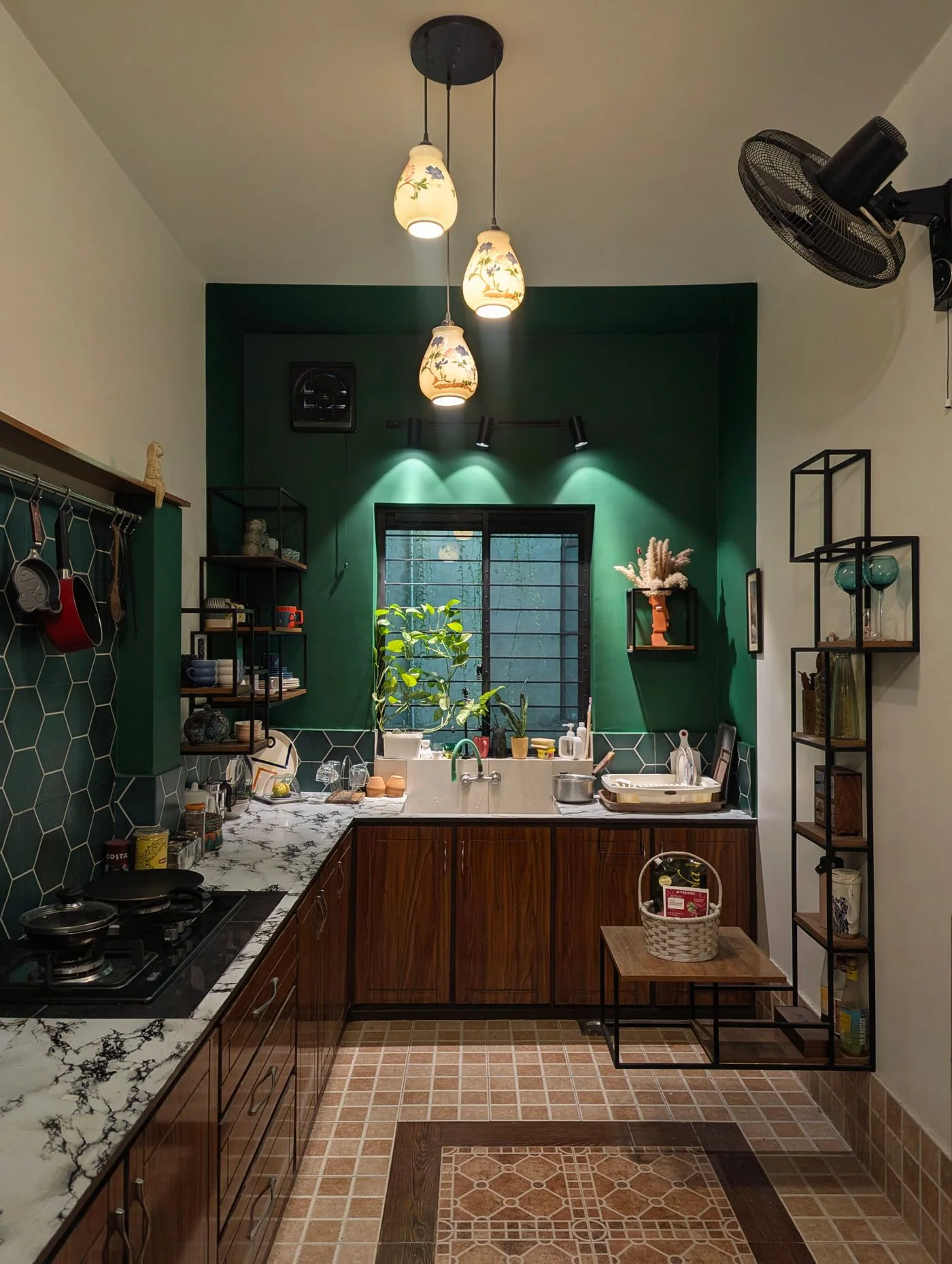
Give a Kitchen Shelf Display a Clear Role
Give a Kitchen Shelf Display a Clear Role. Concrete choices for retained rooms, useful belongings and ordinary time at home.
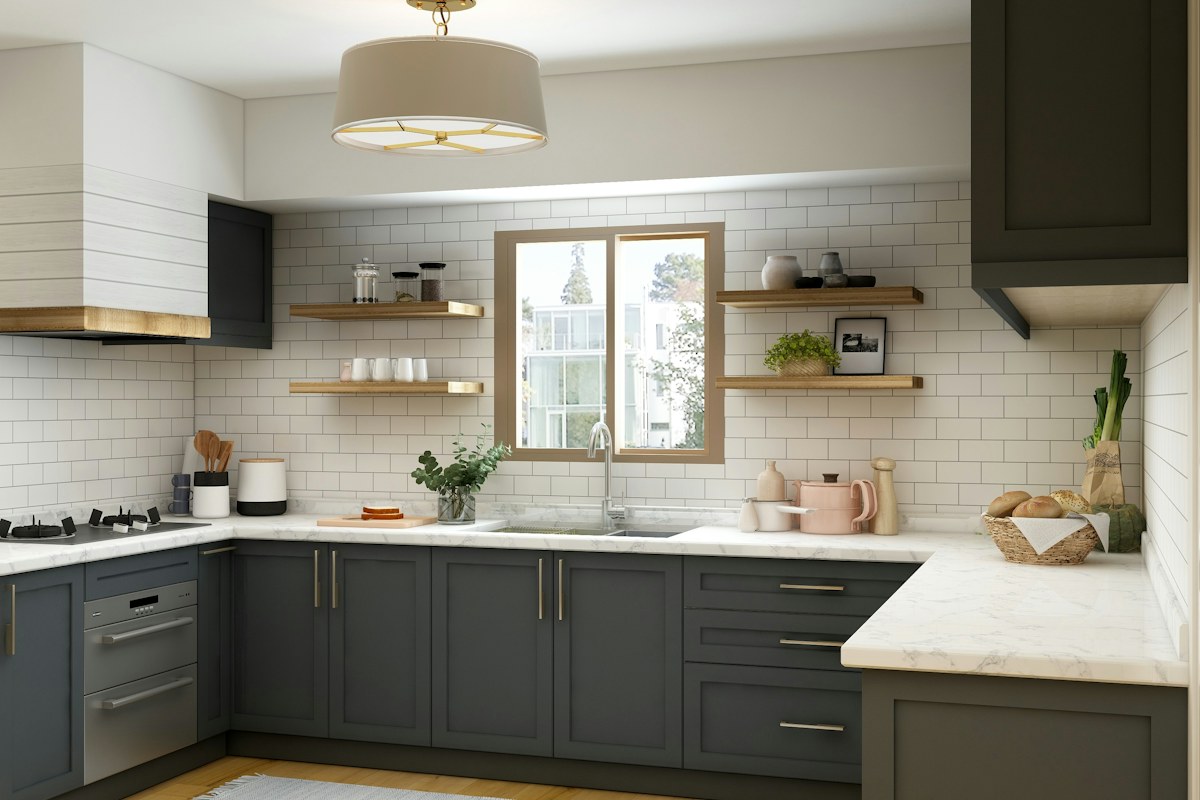
Licensed editorial lifestyle photography. Images illustrate the setting; pictured items are not product endorsements.
Give the shelf one ordinary purpose
A kitchen shelf can combine a modest display with suitable useful objects, but its actual role should remain clear. Begin with the retained shelf, product requirements and the task it serves. Choose an appropriate group rather than collecting every attractive kitchen object into the same arrangement.
The photograph illustrates a retained kitchen with shelving and utensils. It does not establish another shelf's capacity or appropriate use. Check the actual furniture, fixings and objects through their relevant information and obtain suitable assistance where a practical question needs it.
Distinguish working pieces from decoration
Name which objects are intended for actual use and which remain a visual choice. A decorative piece should not be assumed suitable for food or another task from appearance alone. Keep product identity and requirements clear, especially where similar-looking items have different intended roles.
Our working-edge guide keeps decoration connected to the real kitchen. A shelf can support that distinction without becoming an overflow destination for objects whose use is uncertain.
Compare the retained material group
Look at the actual shelf contents beside the cabinet fronts, worktop and wall. Decide whether the group gives the amount of texture and colour you prefer. Exact matching is optional; a small deliberate distinction can feel clearer than several nearly matching finishes.
Keep the comparison bounded. If the display feels busy, remove one optional piece before buying another container. A useful shelf does not need to occupy every visible gap simply because more objects are available.
Preserve appropriate retrieval and return
Follow the real products' requirements when placing and retrieving objects. A thin-looking piece can occupy more space once its handle or other projection is included. Do not infer a suitable arrangement from an inspiration photograph of different objects and furniture.
The useful shelf guide begins with ordinary use. Keep that real task visible instead of choosing a display that must be completely dismantled whenever a working object is needed.
Keep the display honest about condition
Return working pieces after their actual care stages and give unresolved items an appropriate next action. A tidy arrangement should not imply that a product is ready merely because it sits in its usual position. Explain the relevant distinction where another adult shares the kitchen task.
What if the shelf repeatedly receives unrelated objects? Identify their missing destination before expanding the display. What if one decorative piece no longer has a useful visual role? Give it another appropriate place rather than preserving a group through habit. A considered kitchen shelf lets retained objects serve clear practical and personal purposes.
Keep relevant product references accessible for the working group. A household nickname may help recognition, but the actual identity is still needed when a care, suitability or replacement question arises.