Choose a Hallway Mirror From the Ordinary View
Check what a mirror reflects, how it is used and the installation requirements before choosing its shape.
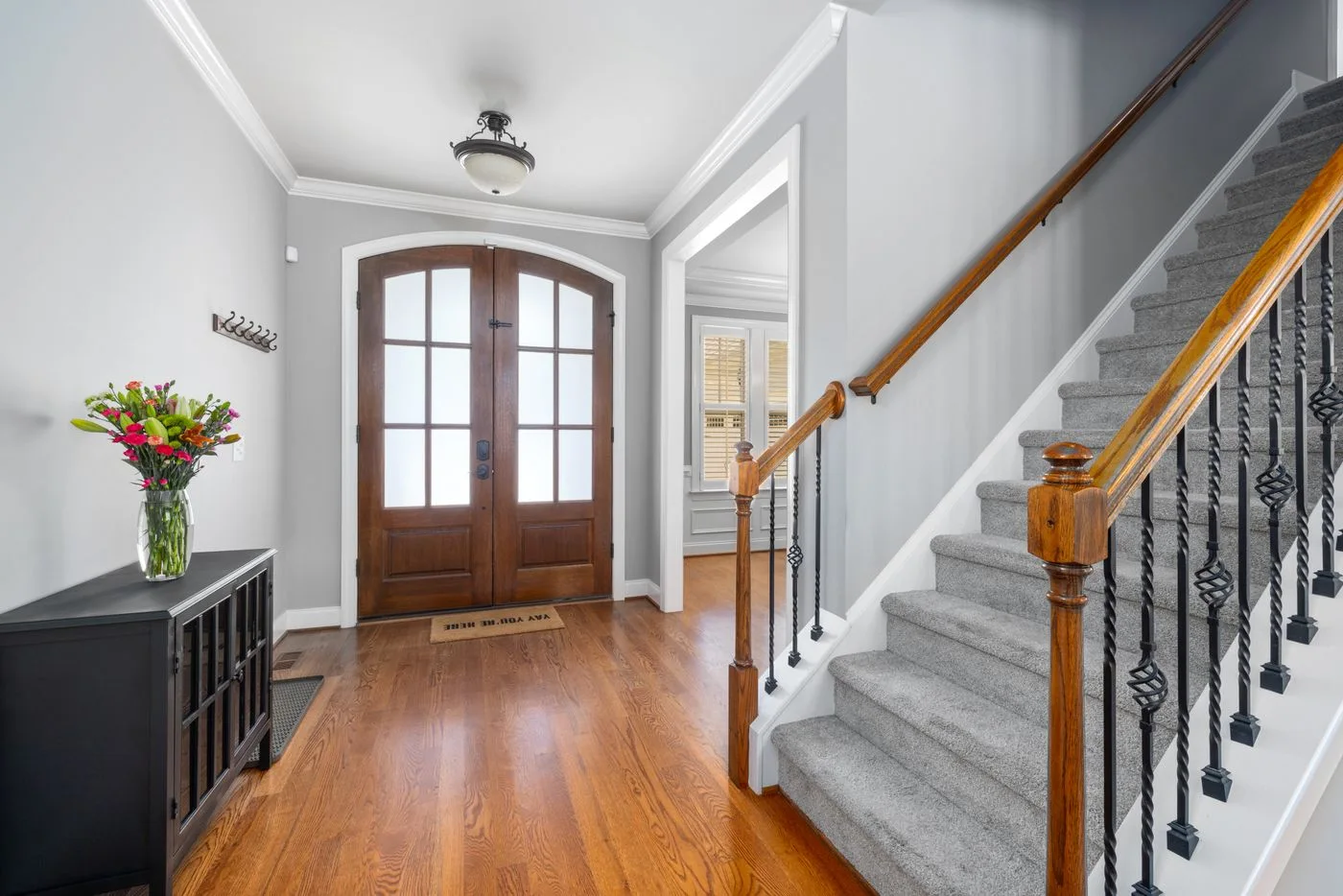
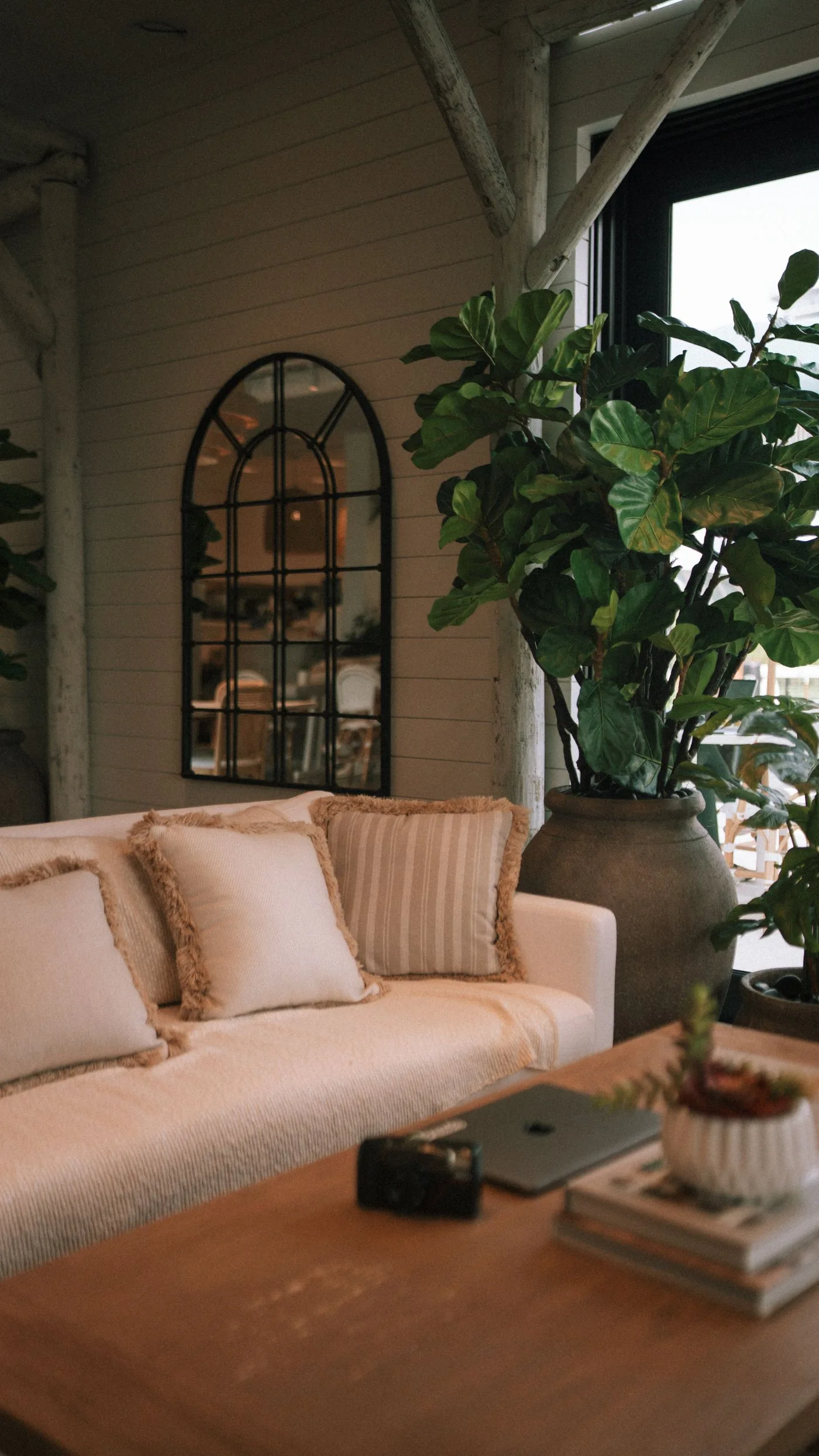
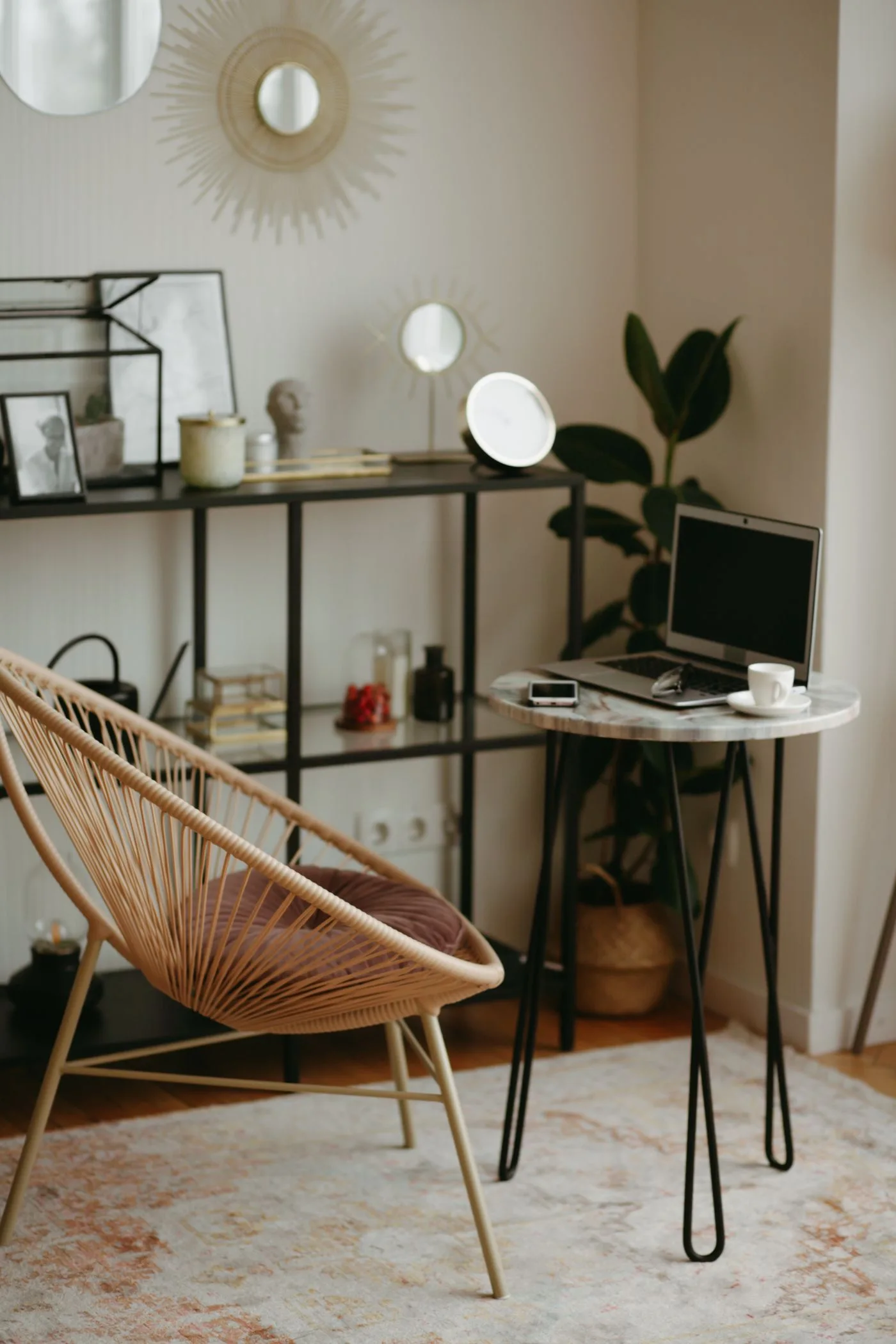
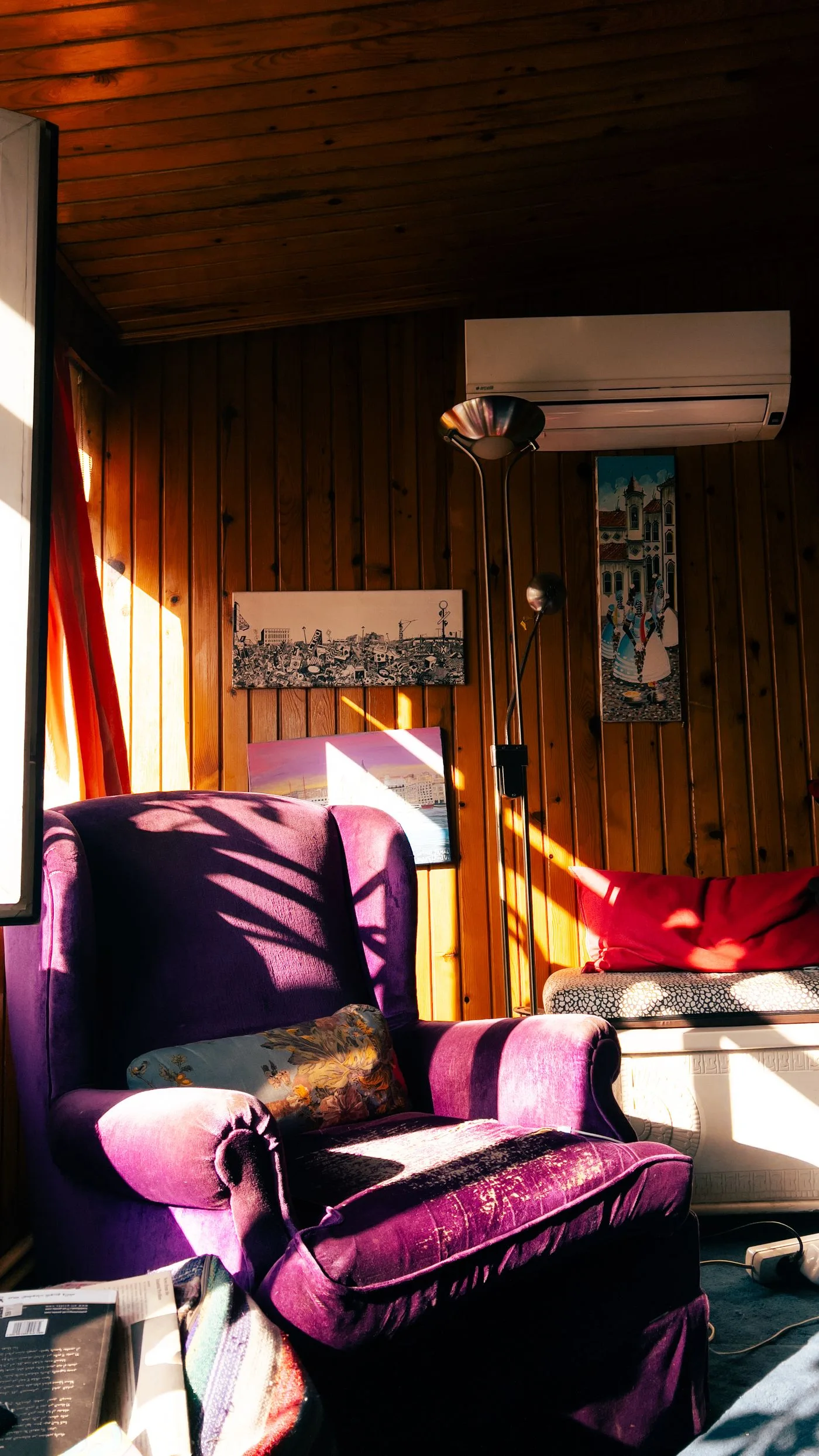
Licensed editorial lifestyle photography. Images illustrate the setting; pictured items are not product endorsements.
Stand where it will be used
A hallway mirror's useful view depends on the person and the position, not just the mirror's overall height. Stand where an ordinary coat or outfit check would happen. Include the open door and the route another person uses to pass.
Notice whether the mirror serves a practical check, a decorative role or both. Different purposes may suggest different positions. Avoid assuming that a mirror automatically makes every narrow hallway feel larger; the reflected scene and actual room arrangement matter.
Look at the reflected room
Check what appears from the entrance and from the usual standing position. The reflection may repeat a coat rail, a bright window or a doorway rather than the feature imagined. View the proposed position at ordinary times of day where practical.
Use a simple visual marker to consider the outline without pretending it reproduces a real reflection. Keep measurements and uncertain observations separate. A cardboard shape can help compare size, but it cannot establish the finished mirror's effect or suitability.
Check fitting requirements first
Read the actual mirror's installation information and assess the intended wall or other permitted position. Follow relevant fixing, support and use requirements; seek appropriate qualified help when necessary. A heavy object should not be installed on the strength of a styling suggestion.
Check nearby movement, including doors, coat sleeves and bags. The proposed shape must fit its working surroundings, not merely the wall rectangle. Keep the intended route and necessary access available before deciding the mirror is the right size.
Connect finishes modestly
Compare the frame with existing hallway materials in the actual light. One repeated colour or finish may be enough to connect different pieces. There is no requirement to replace the rail, console and lighting to match a new mirror.
Our entryway guide considers the practical arrival and departure route. Keep those functions visible while comparing finishes. A decorative outline that is difficult to use or maintain may be less suitable than a simpler form already compatible with the room.
Include routine care and access
Read care guidance for the frame and reflective surface. Consider how they can be maintained without balancing equipment awkwardly or blocking the entrance. A deeply textured frame may need a different level of attention from a plain one.
Our shelf guide offers a separate display decision where the hallway also holds objects. Avoid crowding the mirror's useful standing position with a new decorative arrangement. Check the completed setup through an ordinary departure before considering further additions.
Hallway mirror questions
Must the mirror be full length? Choose dimensions that serve the actual task and suitable installation rather than a universal style rule.
Can it simply lean against the wall? Only where the actual product and installation requirements permit that arrangement and it suits the household.
What if the reflection looks busy? Review what is reflected and its real role before assuming a different frame will solve the problem.