Offer a Guest One Clear Surface for Unpacking
Offer an overnight guest one clear unpacking surface, distinguish it from household storage and test how their bag can be opened without blocking the room.
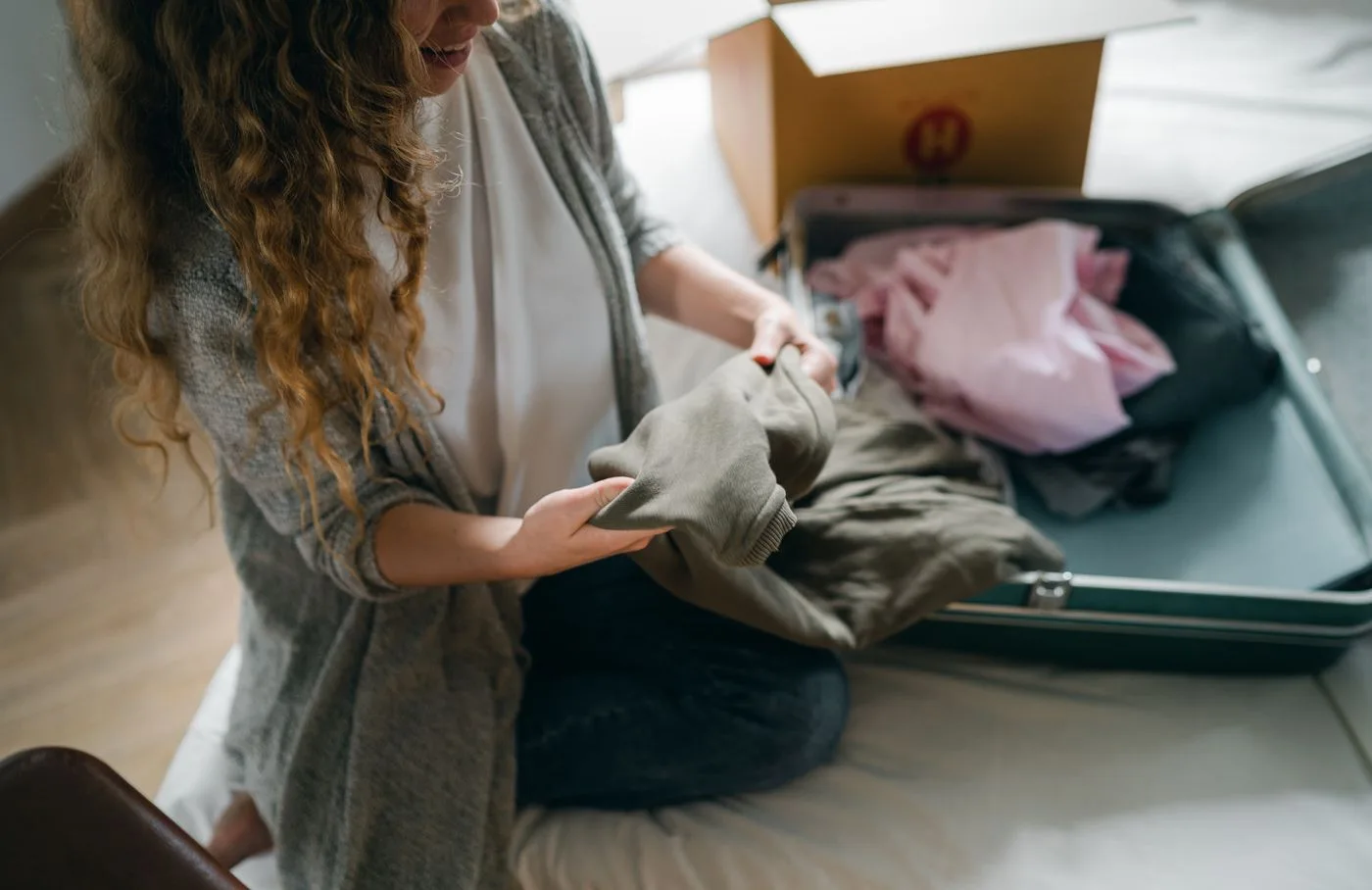
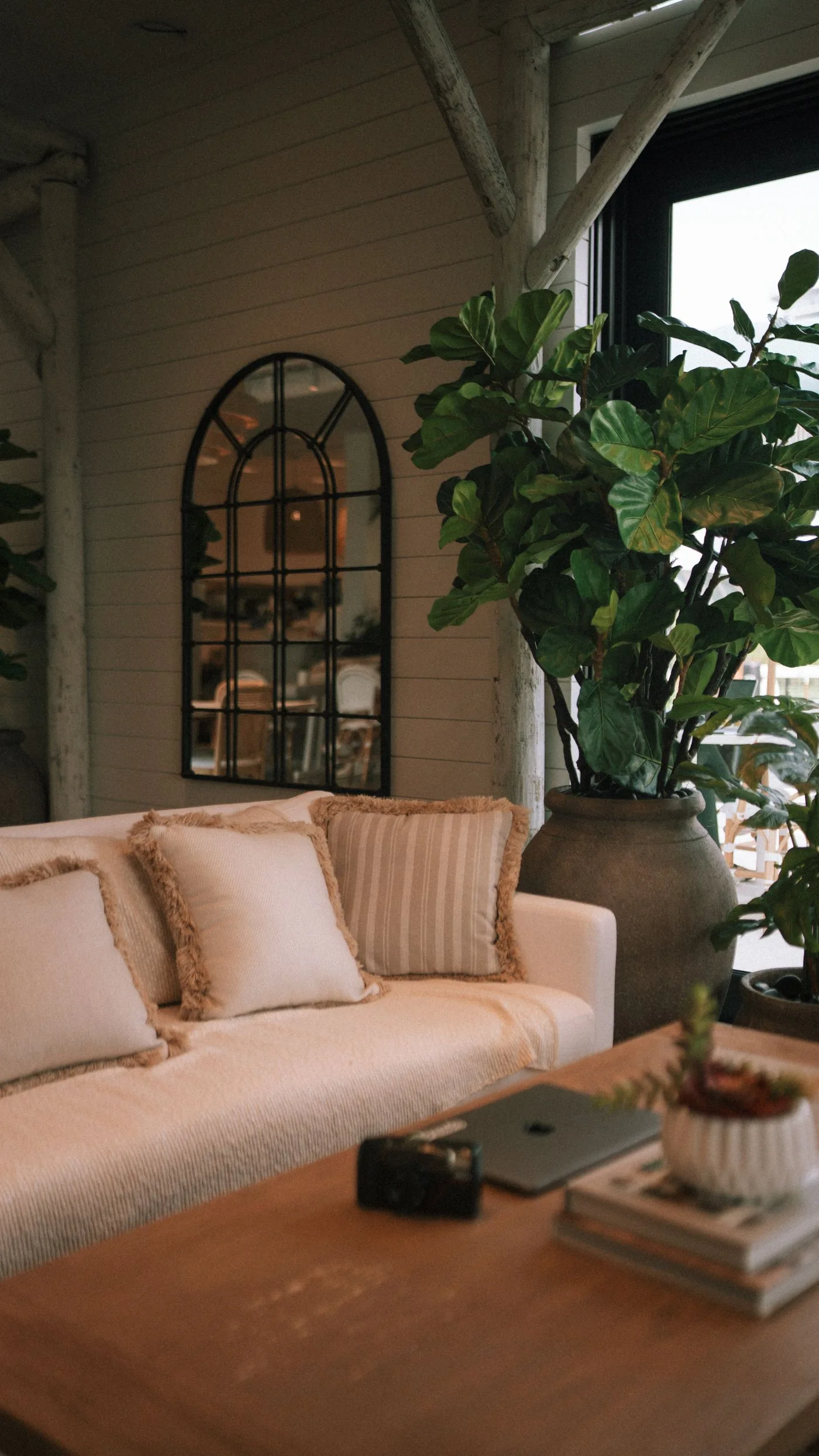
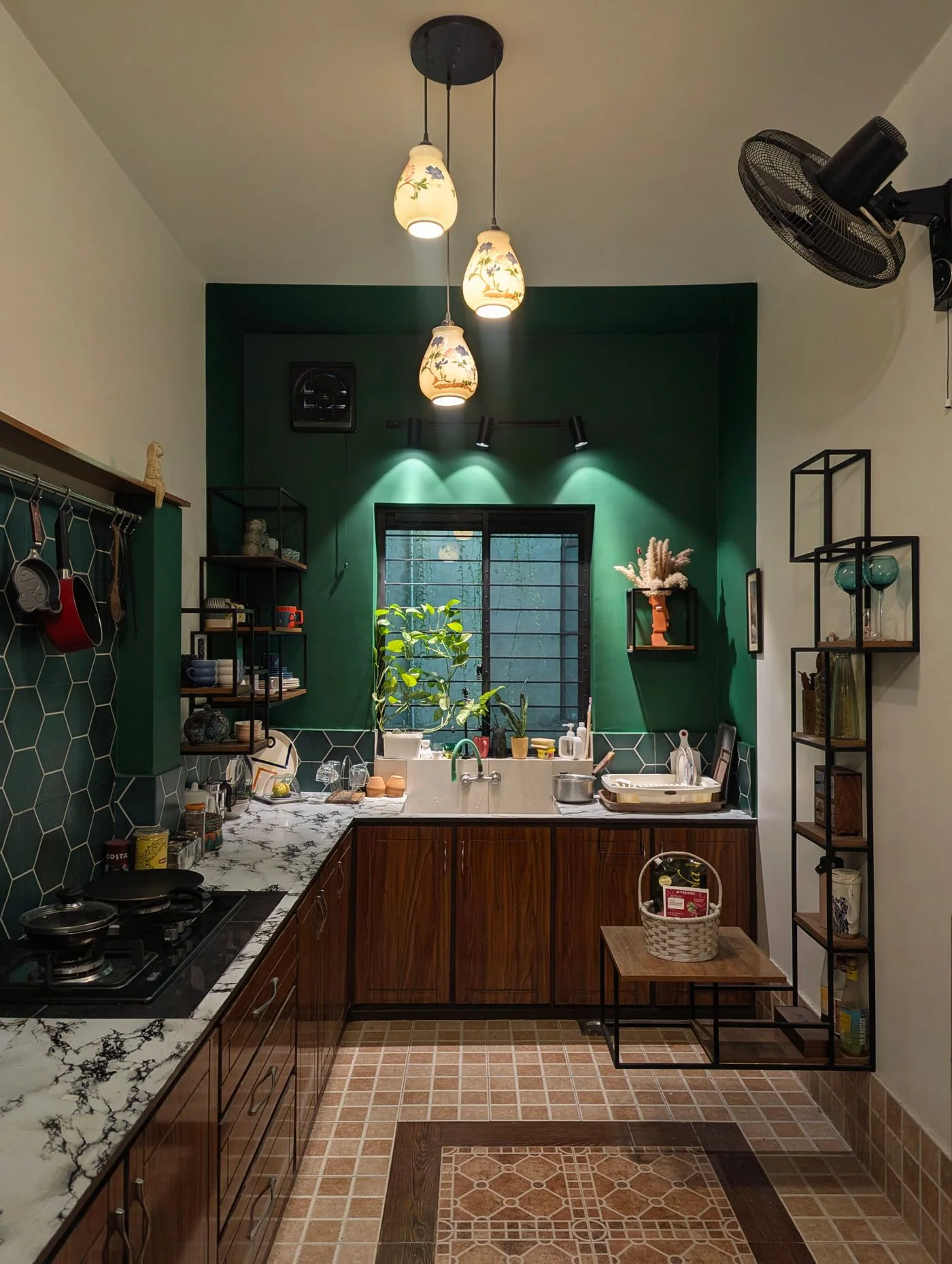
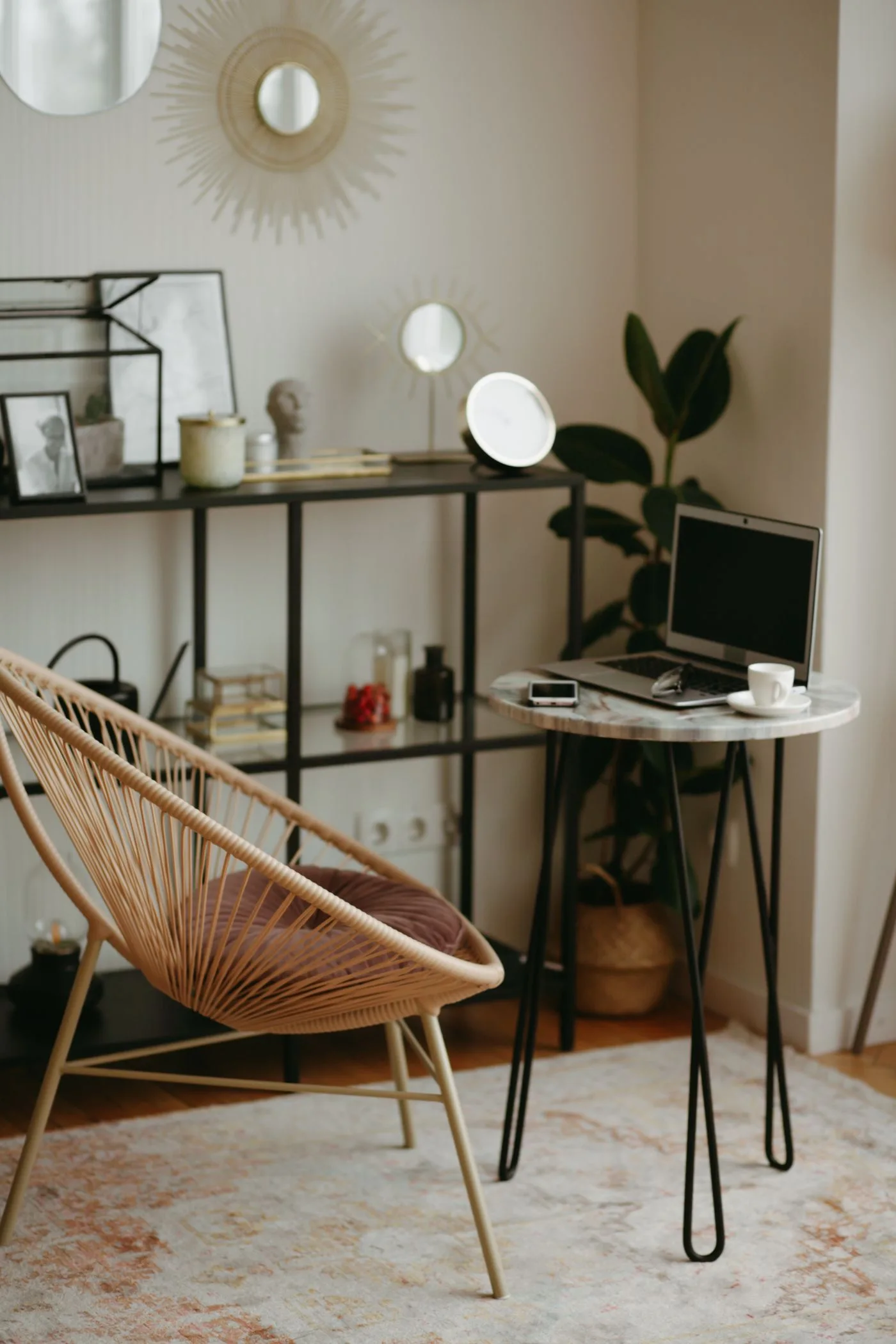
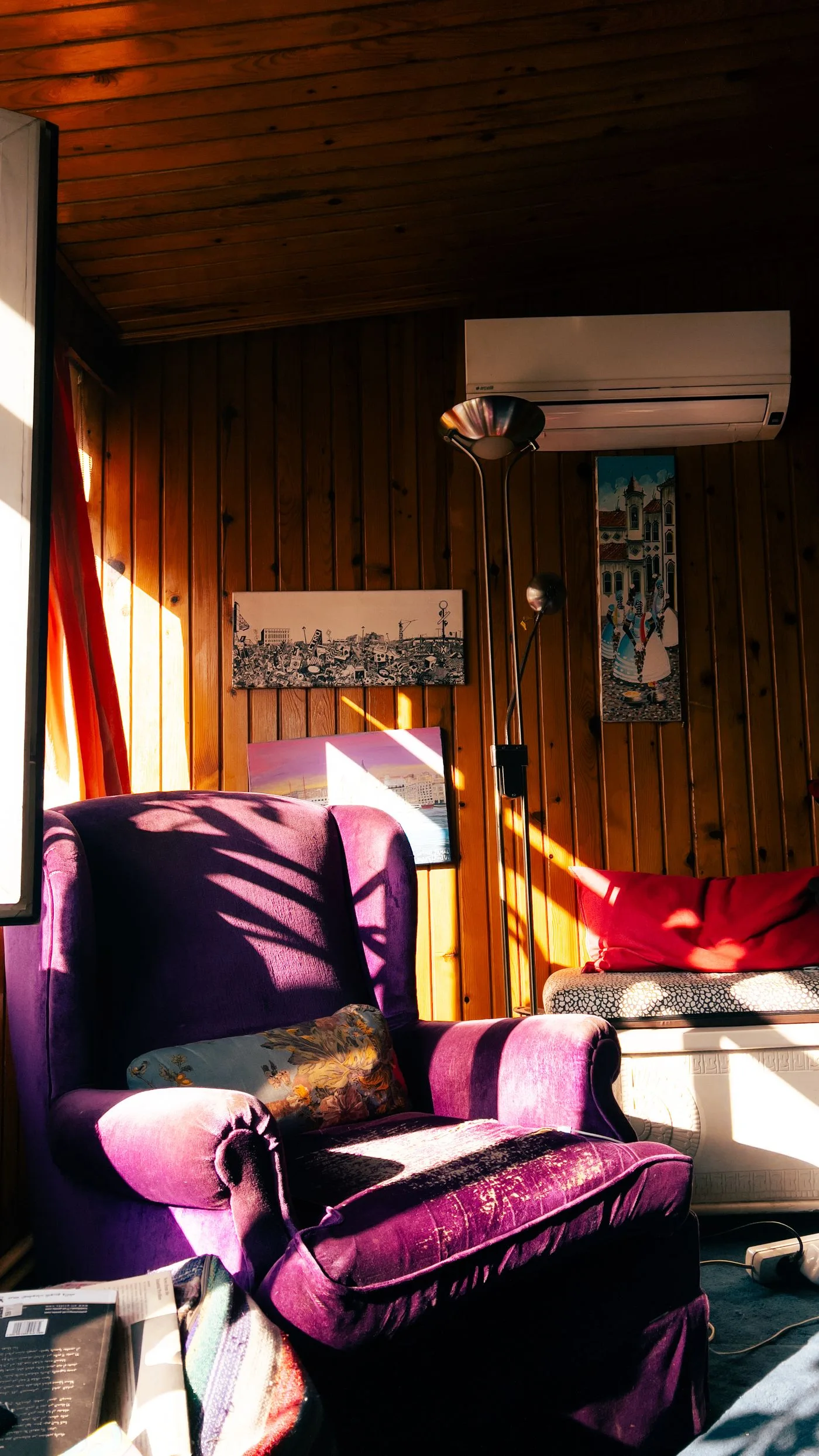
Licensed editorial lifestyle photography. Images illustrate the setting; pictured items are not product endorsements.
A guest room does not need to be empty to offer a useful welcome. It does need a place where a visitor can put something down without guessing which household objects may be moved. One clear unpacking surface can make a modest room easier to use. Decide what that surface is meant to hold before arranging cushions, flowers or other decorative details around it.
Choose the surface by the action
Imagine arriving with the kind of bag your guest expects to bring. A small overnight tote and a large suitcase need different arrangements. You do not have to supply a special stand for every visit, but you can identify a suitable place for the bag and a separate place for a few personal items. Use furniture that is appropriate for the purpose and its intended load.
Clear the selected area completely enough that its role is obvious. A tabletop with a tiny gap between ornaments may look available to you while still feeling occupied to someone else. If household items must remain nearby, group them away from the guest's section and explain the boundary. The visitor should not have to decide whether an object is decorative, fragile or waiting to be put away.
Test the room in its arrival state
Check how a bag would open in the chosen position. Look at the door, the route around the bed and access to everyday furniture. The room needs to remain usable once the bag is open, not just when everything is closed for a photograph. If space is tight, agree on a temporary unpacking position and where the bag can go afterwards.
Offer a small place for loose items such as a book or glasses if that is useful. Keep the purpose limited rather than furnishing the whole room around an imagined visitor. A clear tray or shelf can communicate ownership during the stay, but it should not replace an adequate place for the bag itself. Different actions can need different surfaces.
Explain the arrangement simply
When showing the room, point out the unpacking surface and any storage that is genuinely available. Avoid saying use anything if there are important exceptions that the guest cannot recognise. A precise welcome can feel more generous because the visitor knows what they can use without asking repeatedly.
After the visit, notice what was actually used and what remained awkward. If the guest moved a chair to open the case, that may reveal a better arrival arrangement next time. Return the room to its ordinary household role when the stay ends. A useful guest surface can be temporary: its value comes from being clear, appropriate and available during the visit, rather than from keeping an entire room permanently staged.
Related reading
A Living Room Layout That Works Beyond the Photograph, Create a Bedroom That Feels Settled at the End of the Day.