Separate Device and Paper Roles on a Small Desk
Separate Device and Paper Roles on a Small Desk. Concrete choices for retained rooms, useful belongings and ordinary time at home.
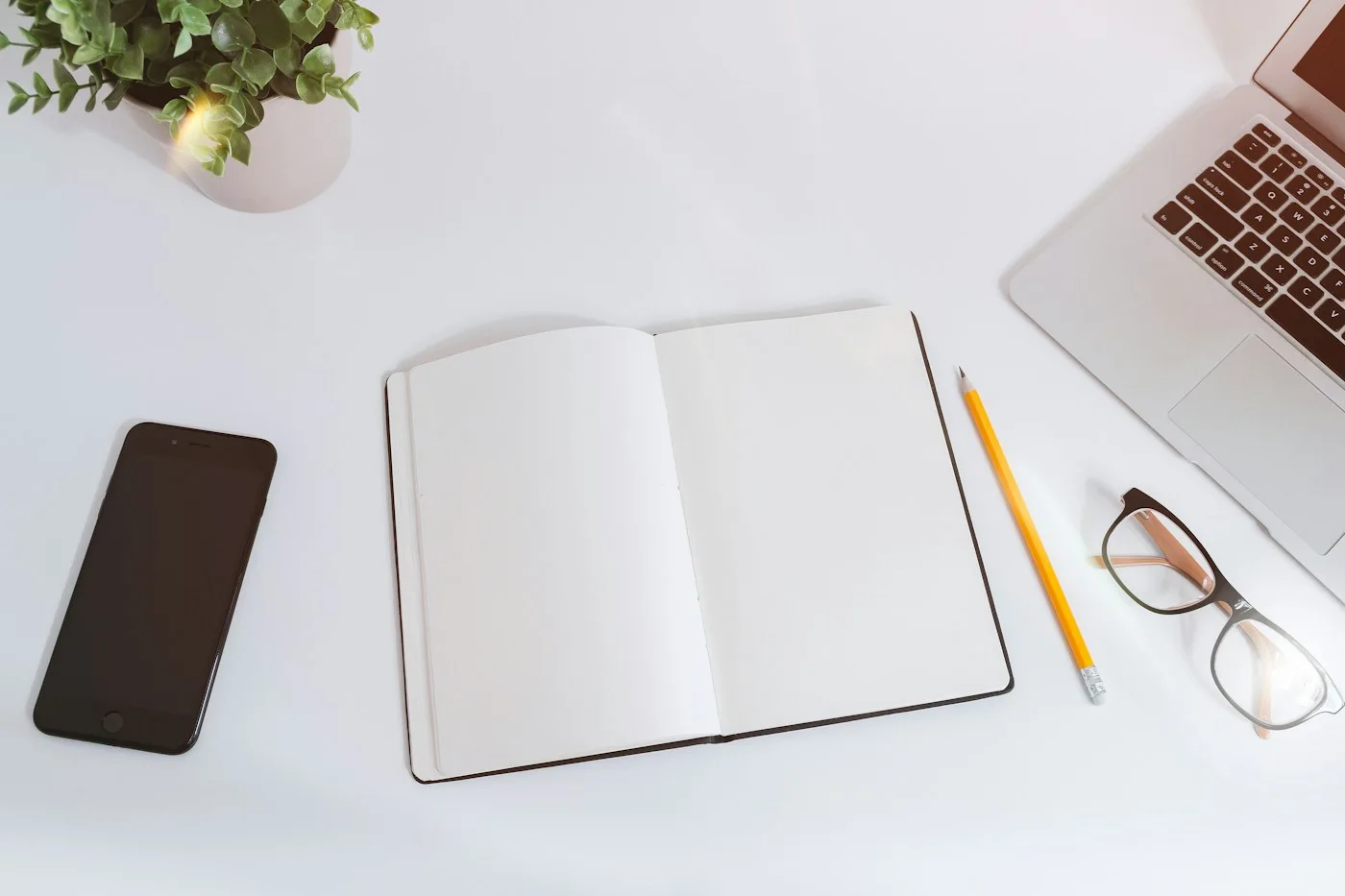
Licensed editorial lifestyle photography. Images illustrate the setting; pictured items are not product endorsements.
Name the actual desk task
A small desk can support devices and paper when their current roles remain clear. Begin with the real activity and the suitable retained objects needed for it. Check the furniture and product requirements before assigning surfaces, rather than copying a photograph of another compact workspace.
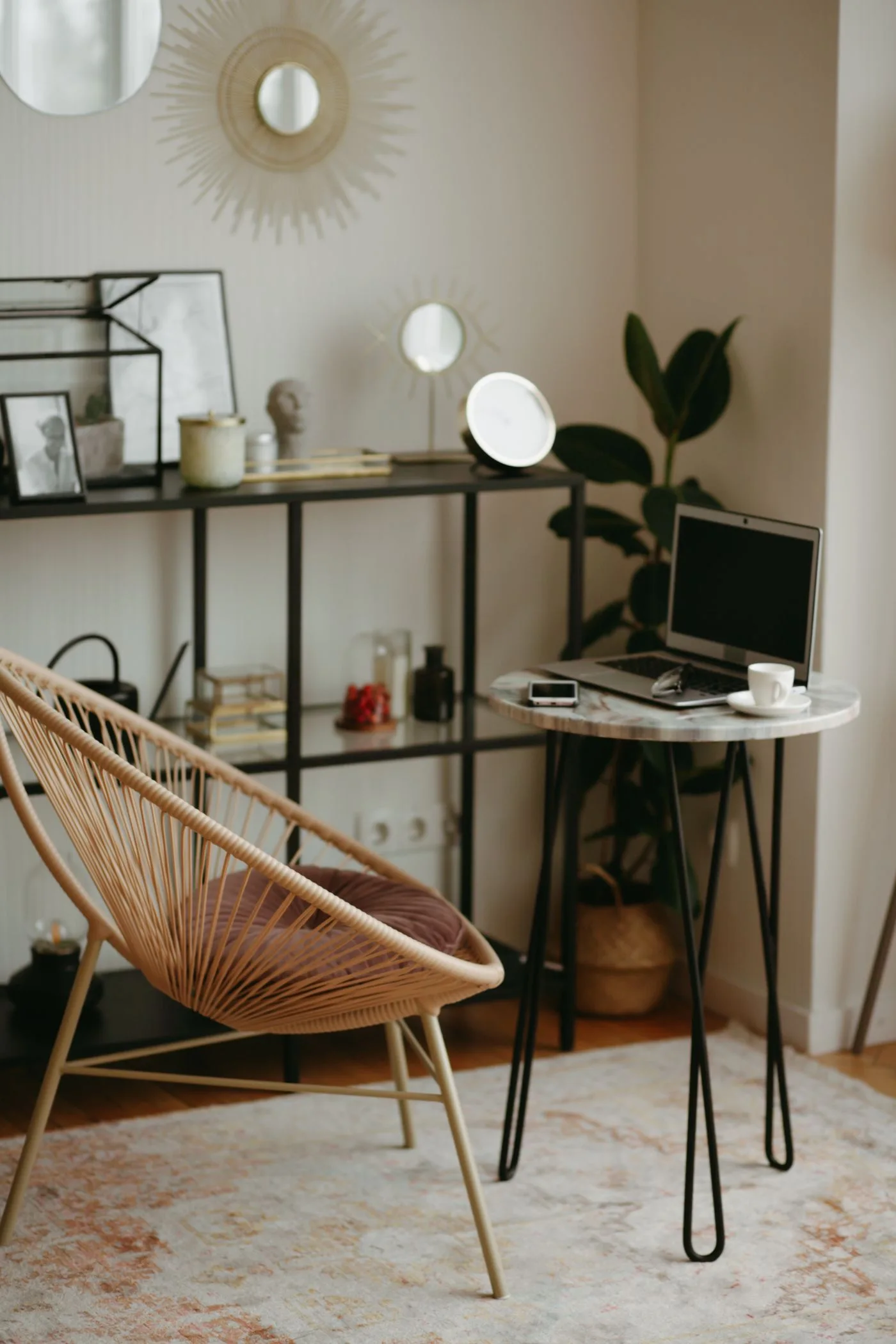
The image illustrates a notebook, device and stationery on a pale desk. It does not establish dimensions, technical compatibility or an appropriate electrical arrangement for another household. Seek suitable guidance where those specific questions require it.
Separate current work from stored history
Identify which paper and device genuinely belong to the active session. Keep archived material, private documents and unrelated accessories through their actual requirements in another appropriate destination. A clear desk group should communicate the present task rather than everything associated with working at home.
Our shared activity footprint guide keeps the complete real group visible. A small desk decision benefits from that specific inventory before a new organiser is considered.
Give paper a legible working role
Name the current notebook or document and preserve its actual identity. A personal note should remain distinct from verified instructions or official information. Keep private details handled appropriately rather than assuming a decorative tray makes every visible paper arrangement suitable.
If several similar pages are present, distinguish the current copy and the actual next action. A tidy stack can still leave the task unclear when another adult needs to understand which information is relevant.
Keep device requirements separate
Follow the real device's use, placement and care information. An attractive desk image does not establish a suitable charging or equipment arrangement. Keep unresolved technical questions with the actual product guidance and appropriate assistance rather than treating a household layout note as an operating instruction.
The bounded cupboard guide keeps stored groups modest. The desk likewise does not need to carry every spare accessory if an appropriate separate destination serves it better.
Close the session with an honest return
Return the appropriate objects through their actual requirements and leave the next stage understandable. Keep unfinished work identified rather than implying completion because the surface has been cleared. Where the desk is shared, agree the relevant handover and responsibilities explicitly.
What if the desk repeatedly fills with unrelated paper? Identify the missing destination before buying another tray. What if the real task exceeds the suitable available arrangement? Choose another appropriate setting rather than forcing the equipment to fit a photograph. A considered small desk keeps device and paper roles distinct while connecting them to one real activity.
Review the arrangement when the task or products change. A familiar position is not evidence that the same layout remains appropriate after another device, document group or household user enters the session.