Keep a Borrowed Chair Easy to Return
Borrow an extra chair with its return and care details agreed in advance, checking the gathering needs without turning temporary seating into an unplanned furniture purchase.
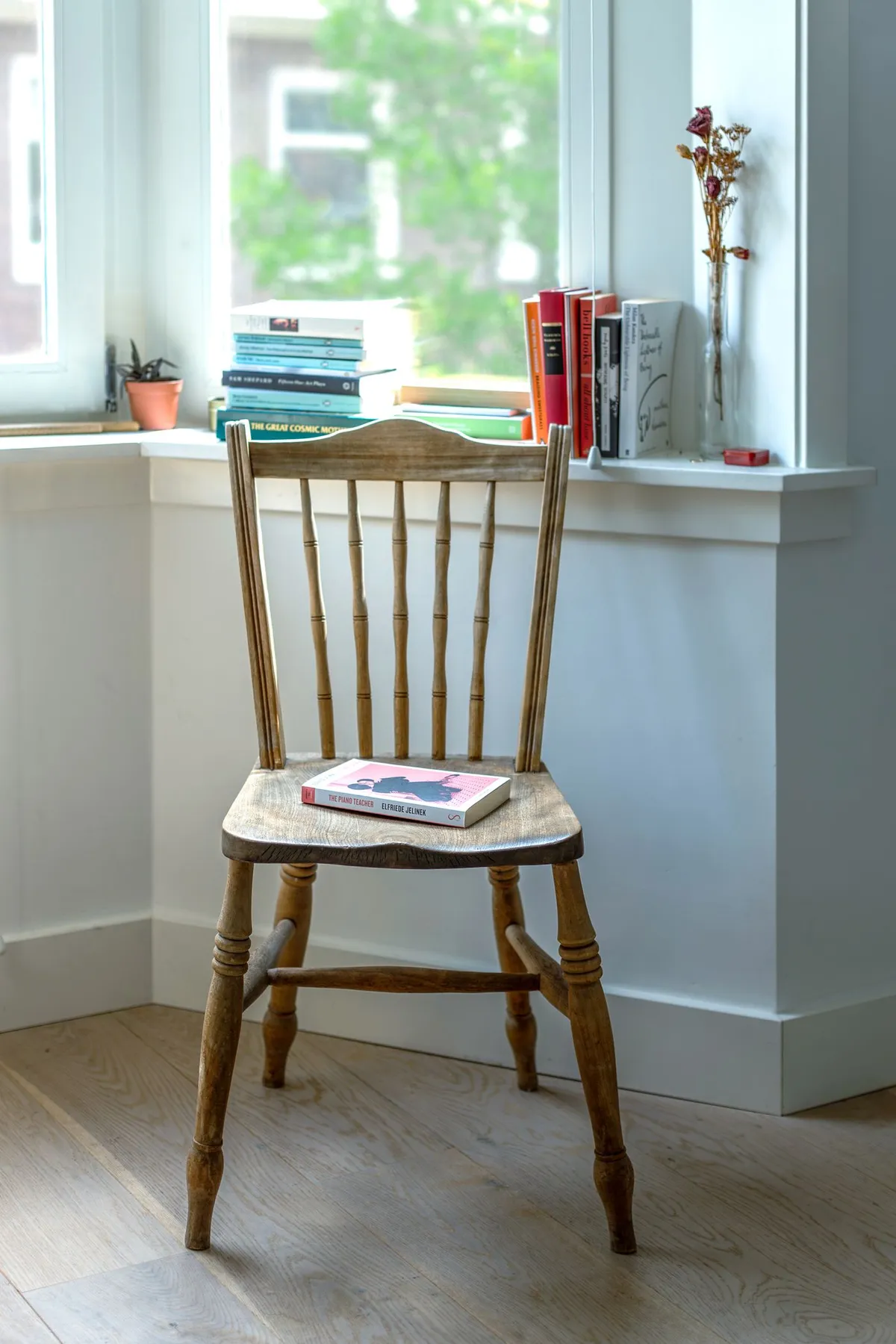
Licensed editorial lifestyle photography. Images illustrate the setting; pictured items are not product endorsements.
An extra chair can solve a temporary gathering problem without becoming a permanent purchase. Borrowing works best when the object arrives with a clear agreement about its use, care and return. A chair that seems ordinary in one home may have a delicate finish, a sentimental history or a limitation that its owner knows well. Ask the owner directly before treating it as interchangeable spare furniture.
Check the gathering need first
Count the people who need seats and consider what they will be doing. Sitting at a meal, talking in a living room and working at a table are different situations. Check that the borrowed item is suitable for the intended use and the people attending. Follow its instructions or the owner's guidance, and do not assume a decorative chair is appropriate simply because it fills a gap in a photograph.
Consider the space around the proposed position as well as the seat itself. Guests should be able to arrive, sit and leave without a complicated furniture shuffle. If the room does not comfortably support the group, changing the gathering format may help more than adding another chair.
Agree on the journey and the deadline
Confirm how the chair will travel, who will move it and when the owner expects it back. Ask about anything that needs particular care in handling or cleaning. Do not attach a label directly to a finish without permission. A note kept with the event plan can identify the item without marking the object.
The small dining-space guide provides context for arranging a modest welcome. Make the return journey part of that plan rather than treating it as a separate favour to negotiate after everyone has gone home.
Keep ownership visible in your own notes
Record who lent which chair, any agreed care details and the return arrangement. A private reference photograph can help identify a piece when several people have lent similar items, provided the owner is comfortable with it. Avoid collecting unnecessary personal details or posting pictures of someone else's home as part of the process.
Keep temporary seating distinct from a decision about permanent furniture. The room inventory before buying decoration method can help when the event makes you notice a longer-term gap. Revisit that question after the borrowed item has gone back and the room has returned to ordinary use.
Close the loan deliberately
Return the chair in the agreed condition and confirm receipt rather than assuming that leaving it in an entrance completes the arrangement. If anything has happened to the item, tell the owner plainly before attempting an unapproved repair. A completed return preserves the usefulness of borrowing and keeps a temporary gathering from leaving an indefinite obligation in the corner.